Call Us: +86-755-27088601 Email: Jhc07@jhcgd.com

Electronic Connectors and Cables

Shenzhen Jinhuicheng Technology: a Professional Electronic Connectors and Cables Manufacturer


We can not only provide high-quality products and competitive prices, but also ensure fast delivery time and good after-sales service.
Variety of Products
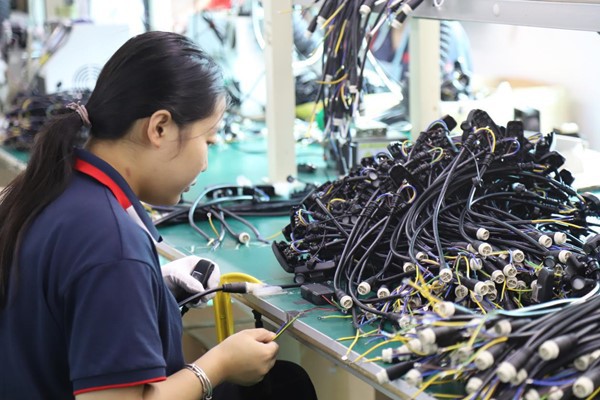
We mainly research and produce customized cable assemblies, such as coaxial cables, control cables, connecting wires, XLPE cables, cables and other customized special cables. We can also provide LCD LED panel connection cables, wiring harnesses, power cables, coaxial cables, FFC FPC cables, and waterproof cables.

Advanced Production Equipment
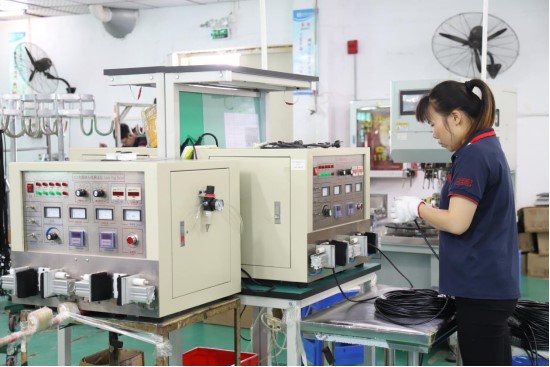
We have 10 sets of domestic first-class plastic extrusion production lines and three-layer co-extrusion foaming machines. We are also equipped with an online detection system that can monitor and adjust the capacitance, outer diameter, and eccentricity of the cable to ensure the high quality of the cable.

Multiple Professional Certifications
We have a complete quality assurance system, and our products comply with CCC (China Compulsory Certification), US UL certification, ISO9001, and ETL certification. Our raw materials comply with RoHS, REACH and SGS standards.

OEM Available
Our company has 18 years of manufacturing experience. At the same time, we are an OEM wire and cable factory for many well-known brands around the world, such as ASUS, Sceptre, DELL, KONKA, LG, VIZIO, etc. We can also manufacture products according to your design.

1 2 1/2

RF Cable

Brief Introduction to Electronic Connectors and Cables

Electronic connectors and cables mainly consist of cables and various types of electronic connectors. Electronic connectors are devices that join electronic circuits. They are used in assembling, installing, and supplying power to electrical devices. Connectors are an important component of every electronic equipment used in industrial machinery, consumer electronics, communications, and home and commercial appliances. These devices are often overlooked, but they make every electronic product functional and complete. Most connectors are temporary or removable; some are used as permanent electrical joints. The two main components of an electrical connector are its contacts and housing, also referred to as its plug or receptacle. The housing holds the terminals and ensures the stability of their connections. It isolates the terminals from other electronic components and prevents short-circuiting. Plugs and receptacles protect the terminals from the elements and weather and are made from insulating materials such as molded plastics or ceramics. Connector terminals are the pins that provide a continuous path for the electrical current to flow between circuits. They are made from electrically conductive materials such as brass, phosphor bronze, beryllium copper, and high copper alloy.


Types of Electronic Connectors and Cables
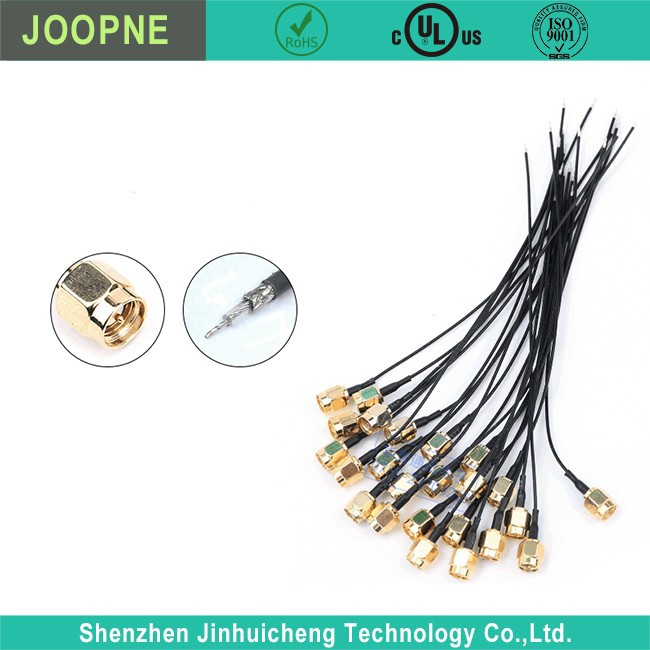
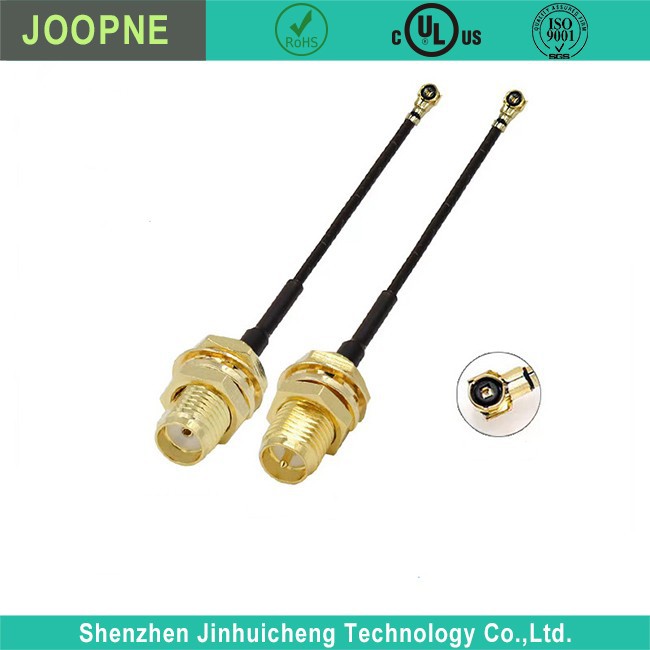
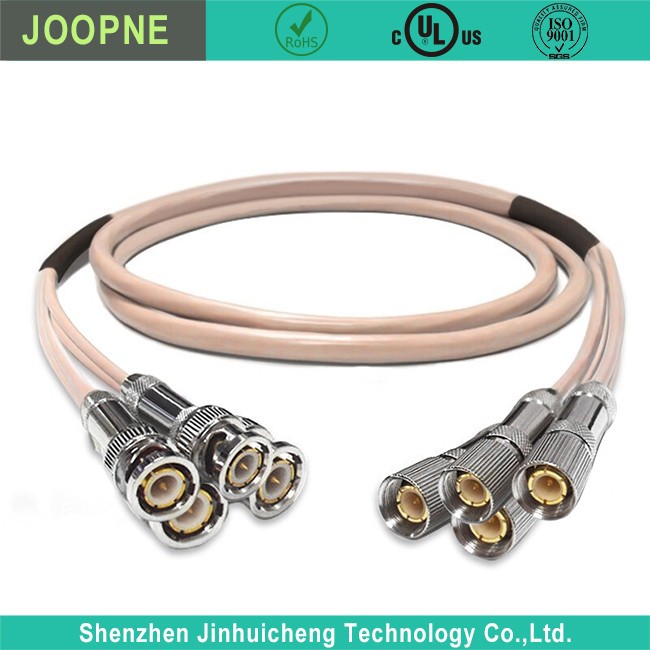
RF Cable
RF Cable
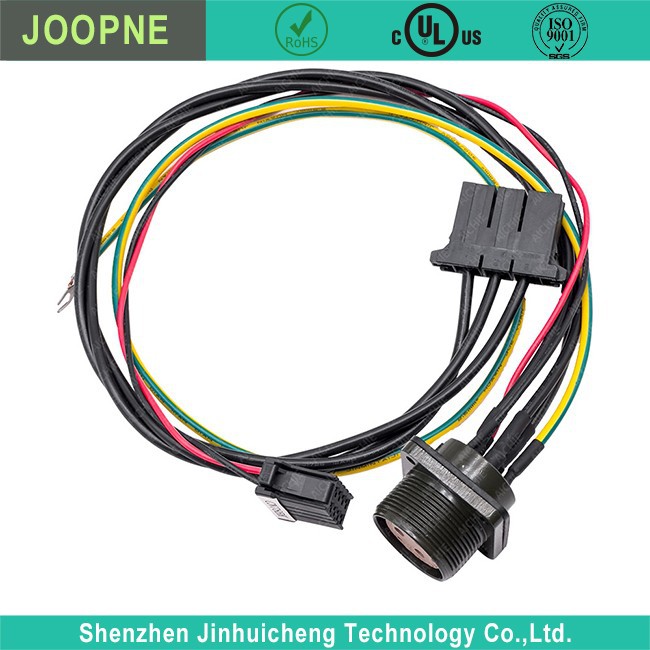
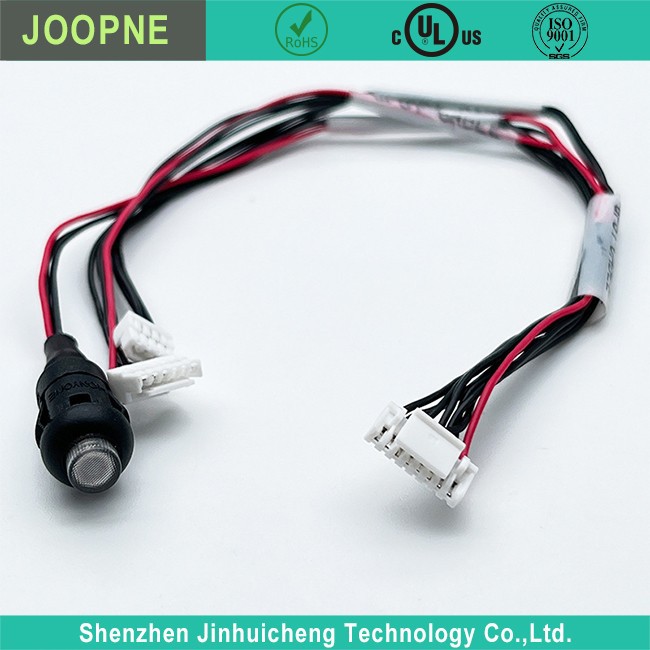
Instrumentation Controller Cable
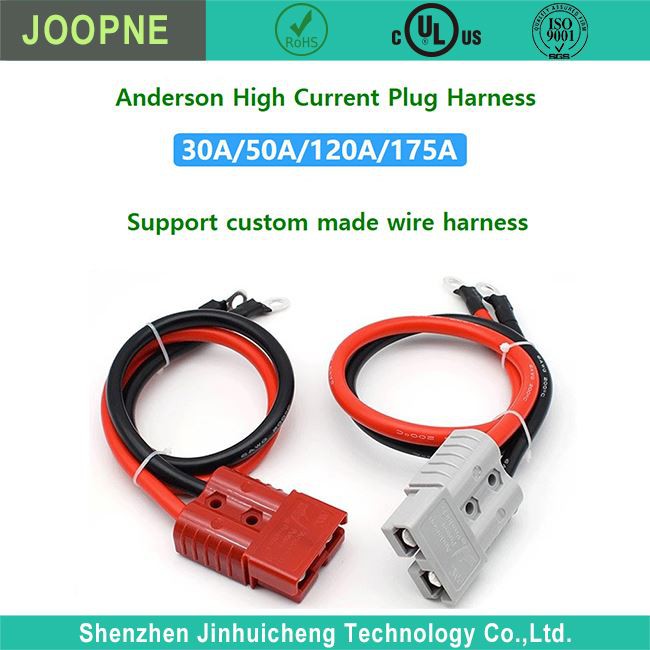
anderson Extension Cable

Board-to-Board Connectors
Board-to-board connectors are a group of connectors that join two printed circuit boards (PCB) without using a cable. These connectors consist of a male and a female member and are assembled with PCBs via through-hole technology or surface mount technology. PCBs can be connected in a perpendicular or parallel configuration. A mezzanine connector connects PCBs in a stacking configuration, while an edge connector mates the edges of single-sided or double-sided PCBs.

Barrel Connectors
Barrel connectors, also known as coaxial power connectors, connect electronic devices to an external power source. Low voltage DC is obtained from a wall-mounted adaptor and transmitted to the electronic device through the barrel connector. These connectors are widely used in consumer electronics and are available in standard diameters and lengths. The barrel plug consists of concentric metal sleeves separated by an insulator. The inner sleeve accepts the barrel jack pin. The barrel jack may be PCB-mounted, panel-mounted, or cable-mounted. A cantilevered spring is fitted inside the jack and pushes the outer sleeve of the plug for the inner sleeve to touch the pin.

IEC Connectors
IEC connector is a category of connectors that meet IEC standards. IEC 60320 is the standard specifying the components for connecting power supply cords to electrical equipment with a voltage rating of 250 V and a current rating of 16 A. There are different types of standardized IEC connectors that vary on the current rating, temperature rating, dimensions, and number of terminals. The components of IEC connectors come in pairs which consist of a connector (male component) and an inlet (female component); each IEC component is identified by the prefix “C” followed by a number. Examples of IEC connector components are the C13 connector and C14 inlet, which have three conductors, a current rating of 10 A, and a maximum temperature rating of 700C.

USB Connectors
USB stands for Universal Serial Bus and are standard connectors used in data transfer and supplying power to electronic devices. They are used in smartphones, computers, and other consumer electronic devices. A USB connector consists of a USB connector (the male component) that is plugged into the USB port (the female component). It has four or more contacts which are shielded and housed in a plastic molded strain relief. It also possesses an asymmetrical structure (except for the USB-C) which serves as the keying mechanism. There are six versions of USBs which are the USB 1.0, USB 1.1., USB 2.0, USB 3.0, USB 3.1, and USB 3.2. The newer versions have the fastest transfer speeds. Some USB connectors can be used with USB ports of older versions (backward compatibility). USB connectors can also be classified based on their receptacles and sizes; USB-A, USB-B, USB Mini (Mini-A, Mini B, and Mini-AB), USB Micro (Micro-A, Micro-B, and Micro-AB), and USB-C.

Audio and Video Connectors
Audio connectors and video connectors are a broad class of electronic connectors used for transmitting audio and/or video signals. These connectors carry either analog or digital signals. These connectors are also composed of male (plug) and female (jack) components. The signal systems for audio connectors can be monophonic (single audio channel) or stereophonic (multiple audio channels).

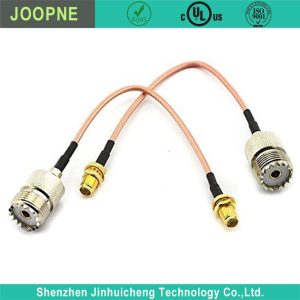
RF Cables
RF is an acronym for radio frequencies. The cable is a type of coaxial cable that transmits radio frequencies. RF also plays the role of a generic term for various technological needs. For this reason, it is not strange to see individuals refer to RF cables for either wireless or non-wireless transmission. It is easier to transmit radio frequencies using the RF cable. Furthermore, the signals are safer in the shielded cable, that is, the coaxial cable. It also enables the capacity of information over a TV set.

Surveillance Cable
Surveillance cables are designed to connect a variety of surveillance and video equipment. As we all know, the security video surveillance system is an important part of the security technology prevention system. It is an advanced comprehensive system with strong prevention capabilities, but it also depends on the correct deployment of video surveillance cables. Its characteristics are mainly visualization, a large amount of image information, rich information resources, and high accuracy. In terms of technology, the security video surveillance system has developed towards digital integration, high definition, and intelligence. From this, it can be seen that image or video processing and transmission are the keys to the field of digital video surveillance system. Many factors limit the video transmission process, such as choice of copper or fiber, cable transmission rate, maximum transmission distance, and more. Hence, it is very critical to choose the correct security video surveillance cables for short and long distance transmission.


 

Advantages of Electronic Connectors and Cables


Secure Connection

Electronic Connectors and Cables provide a secure connection between wires, ensuring that they remain connected even under challenging conditions such as vibration, temperature changes, and movement. This ensures that the electrical system remains reliable and safe.


Easy to Use

Electronic Connectors and Cables are easy to use and require no special skills or tools to install. They come in various sizes and types, making it easy to choose the right connector for your specific application.


Time-saving

Using Electronic Connectors and Cables can save time compared to other methods of connecting wires, such as soldering. This is because wire connectors require no heating, cooling, or waiting time, allowing you to complete the connection quickly and efficiently.


Versatile

Electronic Connectors and Cables are versatile and can be used in a wide range of applications, including residential, commercial, and industrial settings. They can also be used with different types of wires and cables, including stranded and solid wires.


Modular

Electronic Connectors and Cables are modular, which means that they can be easily added or removed as needed. This makes them ideal for applications that require frequent modifications or upgrades.


Cost-effective

Electronic Connectors and Cables are cost-effective compared to other methods of connecting wires, such as soldering or welding. This is because wire connectors require no special tools or equipment, reducing the overall cost of installation.


Safety

Electronic Connectors and Cables provide a safe and reliable connection between wires, reducing the risk of electrical shock or fire. They are also designed to meet industry safety standards, ensuring that they are suitable for use in various applications.


Aesthetically Pleasing

Electronic Connectors and Cables are available in various colors and styles, making them aesthetically pleasing and suitable for use in visible areas. This can help to enhance the overall appearance of your electrical system.


Applications of Electronic Connectors and Cables

Electronic connectors and cables have a wide range of applications across various industries, including construction, transportation, telecommunications, and power generation. Some specific applications include:


Power Transmission

Electronic connectors and cables are used to transmit electrical power from power plants to homes and businesses. High-voltage power cables are used for long-distance transmission, while low-voltage power cables are used for distribution to homes and businesses.


Building Construction

Electronic connectors and cables are used in the construction of buildings to supply power to lights, appliances, and heating and cooling systems. They are also used to connect various electrical systems, such as security systems, fire alarms, and elevators.


Transportation

Electronic connectors and cables are used in the transportation industry to power electric vehicles, buses, trains, and trams. They are also used in the aviation industry to power aircraft systems.


Telecommunications

Electronic connectors and cables are used in telecommunications to connect telephone lines and internet networks. Fiber optic cables are used for high-speed data transfer and are becoming increasingly common for internet connectivity.


Industrial Applications

Electronic connectors and cables are used in industrial applications to power and control heavy machineries, such as factory equipment, cranes, and conveyors. They are also used in oil and gas exploration, mining, and other resource extraction industries.


Medical Equipment

Electronic connectors and cables are used in the medical field to power and control medical equipment such as X-ray machines, MRI scanners, and monitors.


Robotics

Electronic connectors and cables are used in robotics and automation systems to transmit power and control signals to robotic arms and other machines.


Audio-Video Systems

Electronic connectors and cables are used in audio and video systems to transmit audio and video signals between devices such as televisions, speakers, and DVD players. HDMI, RCA, and speaker wires are some examples.


Automotive

Electronic connectors and cables are used in the automotive industry for power and control signals for various systems such as lighting, audio, navigation, engine control, safety systems, and charging systems.

How to the Choose the Right Electronic Connectors and Cables

With an endless variety of connectors and cables types and several crucial criteria to consider, choosing the right one can be downright difficult. However, choosing the right connector and cable is the most efficient and reliable way to modularize, improve or downsize a system so that it runs smoothly without needing frequent repairs. When choosing, you can follow these steps:

RF Coaxial Cable
Drone Cable
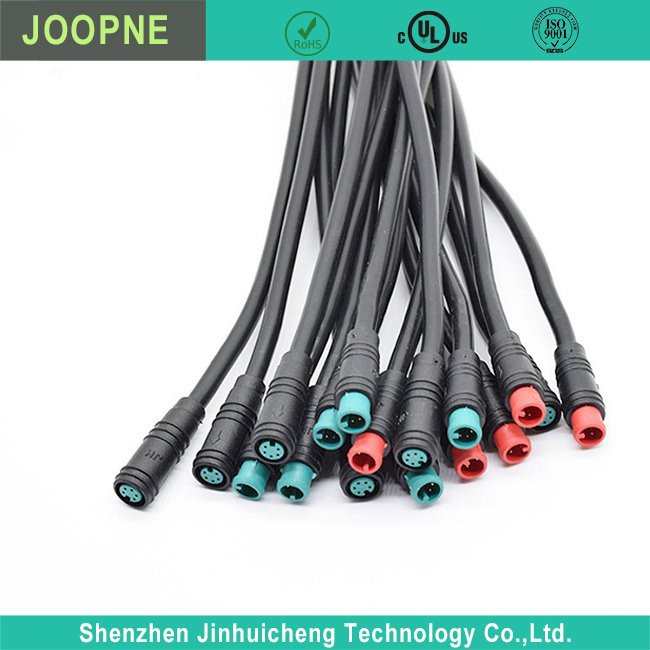
M6 Cable Assembly
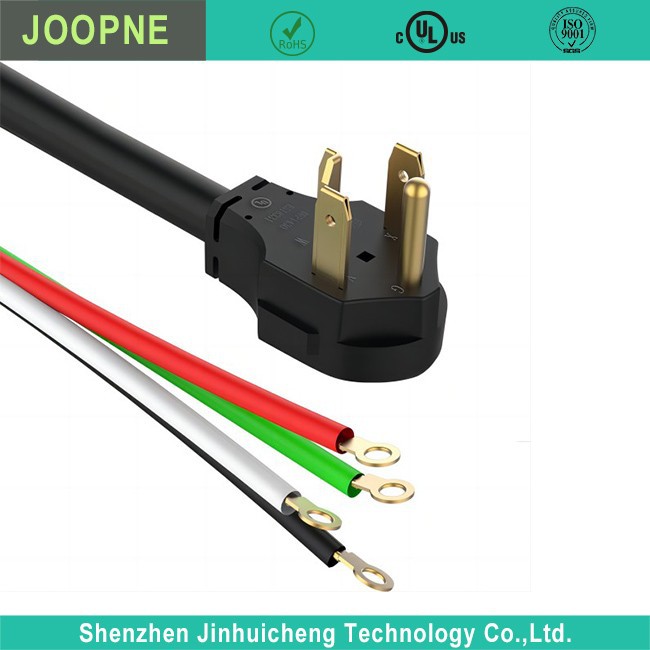
Dryer Power Cord

Pen Down Your Requirements
How many signals are there in total? What currents, frequencies, and voltages are they carrying? Are your signals analog, digital, or a combination? The combination of signals has an impact on the connector type, pinout, and wiring. For instance, high-frequency signals may need coaxial connection and low-level analog signals may need shielding. Certain signal combinations cannot be included in the same connector. If high voltage pins are involved, you may need to take creepage and clearance distances into account. If there are high current paths, you may need multiple pins and bigger wires. Depending on your unique case and design requirements, you might also need a custom solution.

Consider Your Current Rating and Operating Voltage
Current rating is the most vital criterion for selecting electrical cable connectors. It is a measure of the amount of current that can flow through a mating terminal and is ideally stated in amps per circuit. The flow of current should be adjusted or derated on the basis of the number of circuits in a given housing according to the rise in temperature of the adjacent terminal.

Check for Space Constraints
The size and weight of electrical cable connectors and terminal connectors have reduced in correspondence to the reduction in space available for them. However, their ability to withstand an increase in plugging and unplugging frequency has increased considerably. So, depending on the situation that applies to your project and its design needs, you may need to look for more options in electric connectors.

Verify the Recommended Operating Temperature Range
Most electric connectors are subjected to extreme conditions like vibration and shock. Electric cable connectors and terminal connectors that are designed for extreme conditions and hazardous environments incorporate special features that resist vibration and shocks and withstand extreme temperatures. So, choose your electric connector depending on the location of your electric connector, the proximity to a heat source, operating temperatures, and the frequency of plugging and unplugging.

Confirm the Level of Reliability
Reliability is another vital factor that needs to be considered when buying electric connector. However, reliability is a complicated concept which depends on several factors. Accurate figures are difficult to determine but some connectors come with a specification for mean time to failure. This serves as a guide for selecting the right electric connector for any application.

Make Sure It has Environmental Sealing
Certain environments require protection against invasion of combustible or inflammable gases, vapors, dust or liquids. Electric connectors come with environmental sealing options that are effective against unexpected splashes. Once you know the level of safety required, you can verify the IP rating number in the IP code system and know if you are investing in the right electrical connectors. Environmental sealing is a very important criterion for safer workplaces, especially in stringent environments like aerospace, space, underwater and medical and food applications.

Factor in Materials and Plating
Terminal materials and plating are often the last factors to be considered but since most electric connectors are made using nylon plastic, they have inflammability ratings for high resistance to flame continuance. The standard options available include tin, lead and select gold which are suitable for most applications. Base materials are typically available in phosphor bronze or brass as they offer excellent strength and current-carrying capabilities even with prolonged exposure to high ambient temperatures.

Calculate the Pricing
The price of electric connector is typically calculated based on the total cost which includes the receptacle and the plug, the cost of terminal connectors, and the labor cost for attaching the electrical wire to the terminal and inserting it into the housing. The criterion that matters the most to you will dictate the type and size of the electric connector. Other factors that you need to consider here include the operating voltage, the size of the wire, the configuration, engagement force, and the size of the circuit.


Stay Safe: a Step-by-Step Tutorial on Testing Electronic Connectors and Cables for Potential Hazards
Step 1: Preparation

Before you begin the testing process, it’s crucial to take the necessary steps to ensure your safety:
*Wear appropriate personal protective equipment (PPE) such as insulated gloves and safety glasses to protect yourself from potential electrical hazards.
*Ensure the power supply to the connectors you are testing is switched off.
*Inspect the connectors visually for any visible signs of damage, loose connections, or exposed wires.

Step 2: Testing Tools

Equip yourself with the right tools for testing electrical connectors:
*Insulation resistance tester: Measures the resistance of insulation in the connector.
*Continuity tester: Checks if the connector conducts electricity without any interruptions.
*Visual inspection tools: Magnifying glass or a camera with zoom capabilities to identify any hidden faults.

Step 3: Insulation Resistance Test

The insulation resistance test helps identify any breakdown or deterioration of the connector’s insulation, which may lead to electrical faults. Follow these steps:
*Disconnect power supply: Ensure the power supply to the connector is switched off.
*Disconnect wires: Separate the wires from the connector to measure insulation resistance individually.
*Set up the insulation resistance tester: Connect the tester to the wires and follow the device’s instructions to measure the resistance.
*Compare results: Check the measured resistance against standard values. Any significant deviation may indicate insulation failure.

Step 4: Continuity Test

The continuity test determines if the connector allows the smooth flow of electricity without interruption. Perform the following steps:
*Prepare the continuity tester: Connect the tester to both ends of the connector.
*Activate the tester: Follow the tester’s instructions to initiate the continuity test.
*Observe the result: The tester will indicate if there is continuity or any disruptions in the electrical flow.
*Check for loose connections: Wiggle the wires gently to see if the continuity is maintained.

Step 5: Visual Inspection

Visual inspection allows you to detect any visible signs of damage or defects:
*Thoroughly examine the connectors for signs of melting, burning, or discoloration.
*Inspect for loose or corroded connections.
*Check for exposed wires or insulation damage.
*Take note of any unusual odors that may suggest electrical faults.


Our Factory

Below is our factory:

productcate-1-1
productcate-1-1
productcate-1-1


Ultimate Guide​

Q: What are electronic connectors made of?

A: Electrodes in connectors are usually made of copper alloys, due to their good conductivity and malleability. Alternatives include brass, phosphor bronze, and beryllium copper. The base electrode metal is often coated with another inert metal such as gold, nickel, or tin.

Q: Why are connectors important in electronics?

A: Electronic connectors bridge the communication between blocked or isolated circuits. This allows a smooth flow between two active devices, so the circuit can better act on its function.

Q: How do you identify an electronic connector?

A: Electronic connectors are usually found as pairs, and each half has a gender designation. The male component is called the plug, while the female component is called the jack or socket. The jack has recessed holes (socket holes) that contain the terminals and are connected to a wire, cable, or device.

Q: Which connector is most often used on a network cable?

A: Most Ethernet cables are twisted pair cables that are terminated with a 8P8C connector, also known as an RJ45. For special uses other connectors can be used.

Q: What is the difference between a cable and a connector?

A: Cables are often designed into devices or created with a specific end-use in mind and there is a wide variety in the types of electronics cabling. Connectors are used where wire lines need to be attached or disconnected. Just like cables, connectors are used in a lot of electronic equipment.

Q: Why do we need connectors?

A: Connectors are used to join subsections of circuits together. Usually, a connector is used where it may be desirable to disconnect the subsections at some future time: power inputs, peripheral connections, or boards which may need to be replaced.

Q: How do electrical connectors work?

A: When a connector is twisted onto the stripped and twisted-together ends of wires, the wires are drawn into the connector’s metal spring and squeezed together inside it. Electrical continuity is maintained by both the direct twisted wire-to-wire contact and by contact with the metal spring or insert.

Q: Why are cable and connectors important?

A: Cable and connectors are used to ensure the wiring of electrical connection is done safely. Also they ensure that there is an easy joining of two or more cables or sets of wires during electrical works. It’s available in a wide range of different types for various applications.

Q: What is the working principle of connector?

A: A connector is an electromechanical system in that it creates an electrical connection by mechanical means. As previously mentioned, deflection of mechanical springs creates a force between the two halves of the connector on mating which creates areas of metal-to-metal contact at the mating interface.

Q: How long do electric cables last?

A: Most power cables have a design life of between 20 to 30 years. If the cables are not fully loaded, they are expected to last beyond their design life. Power cables are available with special high-grade XLPE or EPR insulation with design lifetimes of up to 50 years.

Q: What is the function of electronic connector?

A: Connectors are parts or devices used for electrically connecting or disconnecting circuits etc. They can connect and disconnect by hands or with simple tools without requiring special tools or processes such as soldering.

Q: What are the characteristics of connectors?

A: Some of the basic features for a good connector are reliability and low cost, high return and low insertion losses, easy to operate and install and low sensitivity for environmental conditions. These connectors also help in quicker disconnection and connection and align at the cores to allow light to pass through it.

Q: Is a connector a terminal?

A: The terminal is part of the connector. Connector is a general term. In fact, the milspec connectors we commonly see usually include housing and terminal. The housing is mostly plastic, which plays a protective role, and the terminal is a metal, which plays a conductive role.

Q: Is a cable a connector?

A: A connector is a physical device used to join two cables together or connect a cable to an electronic device. A cable is an insulated wire or group of wires used to transmit electrical signals or carry power.

Q: Is a connector a component?

A: A connector is an electronic component that works by joining the ends of the connector into their respective device to create an electrical circuit within the device. Connectors allow for a secure electrical connection to either a wire, a printed circuit board, or another connector.

Q: What is a connector attached to a cable?

A: A male connector is a connector attached to a wire, cable, or piece of hardware, having one or more exposed, unshielded electrical terminal s, and constructed in such a way that it can be inserted snugly into a receptacle ( female connector ) to ensure a reliable physical and electrical connection.

We’re professional electronic connectors and cables manufacturers and suppliers in China, specialized in providing high quality products and service. We warmly welcome you to wholesale customized electronic connectors and cables from our factory. Contact us for pricelist and quotation.

rf cable for tv antenna, lvds screen cable, ffc 4 pin