

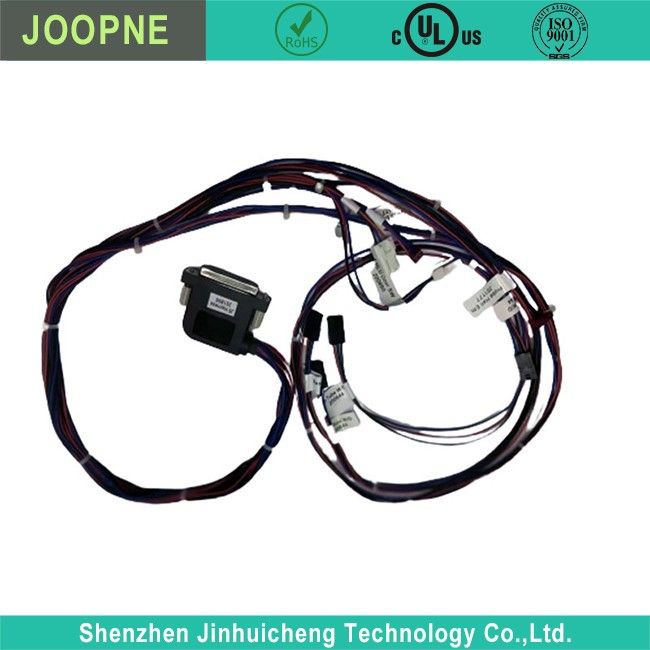
Robotics Cable
Robotics cables are specialized cables used in robotic systems to transmit power, data, and control signals between various components of the robot, such as motors, sensors, actuators, controllers, and other devices.
Product Introduction
Robotics cables are specialized cables used in robotic systems to transmit power, data, and control signals between various components of the robot, such as motors, sensors, actuators, controllers, and other devices. These cables are designed to withstand the demands of robotic applications, which often involve repetitive movements, varying temperatures, and harsh industrial environments.
Key features and considerations for robotics cables include
Flexibility and Durability:
Robotics cables are designed to be highly flexible to accommodate the movement and articulation of robotic arms and joints without compromising the integrity of the cables.
They are constructed with durable materials that can withstand repeated bending, twisting, and movement cycles without degradation or failure.
Multi-Conductor Design:
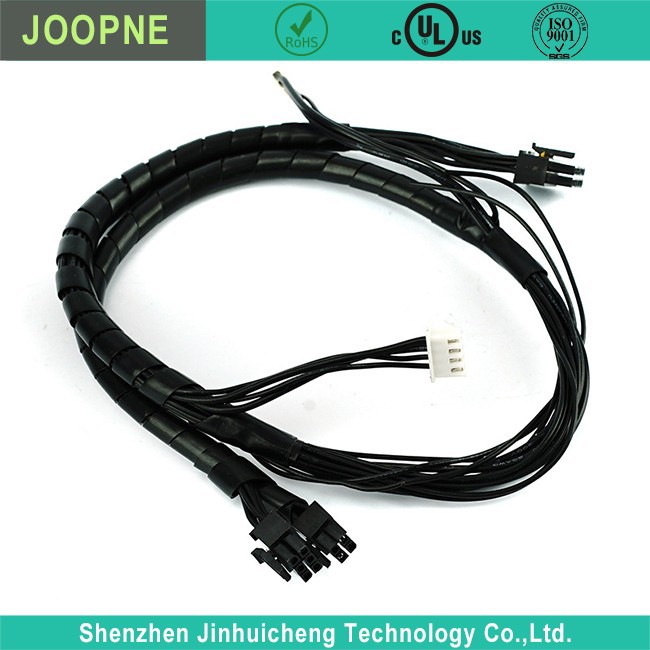
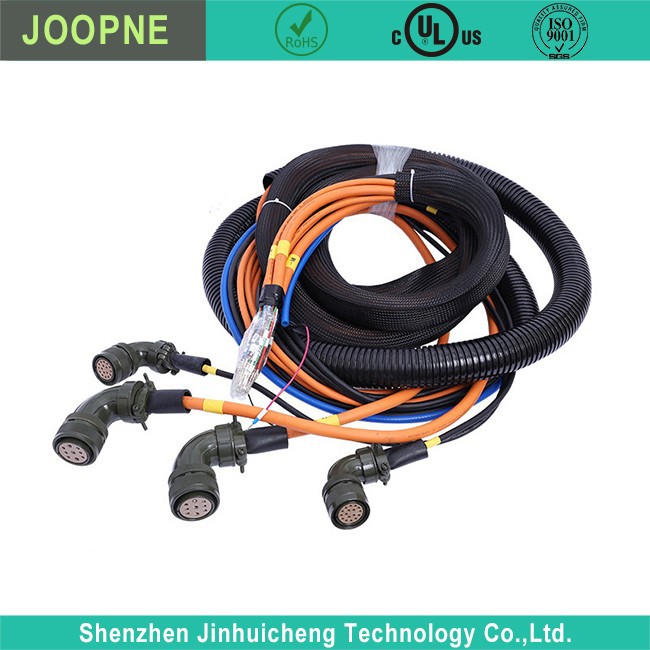
These cables often contain multiple conductors within a single jacket, allowing the transmission of power, data, and control signals simultaneously between different parts of the robot.
Types of Robotics Cables:
Power Cables: Transmit electrical power to motors, actuators, and other power-consuming components of the robot.
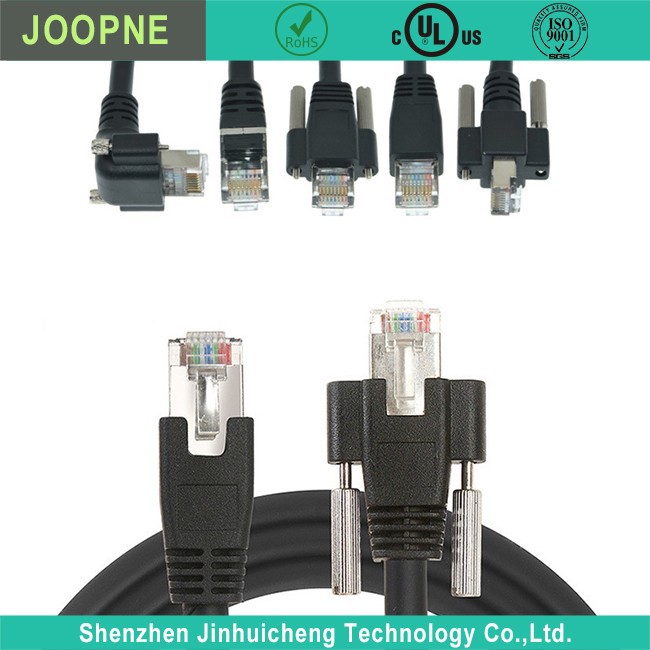
Data Cables: Carry data signals between sensors, controllers, and other devices, often using protocols such as Ethernet, CAN bus, or other serial communication standards.
Control Cables: Transmit control signals from the controller to the various actuators and motors, enabling precise movement and operation of the robot.
Feedback Cables: Used for transmitting feedback signals from sensors back to the controller to provide information about the robot’s state or environment.
Shielding and Interference Protection:
Many robotics cables incorporate shielding to protect signals from electromagnetic interference (EMI) and radio frequency interference (RFI), ensuring signal integrity in industrial settings with high electrical noise.
Connectors and Termination:
The ends of robotics cables may feature specialized connectors or terminations that are compatible with the specific interfaces of robotic components, ensuring secure and reliable connections.
Environmental Resistance:
Robotics cables may be designed to withstand harsh environmental conditions, including exposure to oil, chemicals, abrasion, extreme temperatures, and other industrial hazards.
Compliance with Standards:
Ensuring compliance with industry standards for cable construction, electrical safety, and performance specifications is important for reliable operation and safety.
Robotics cables are essential components in robotic systems, and choosing the right cables suitable for the specific requirements of the robot’s design, motion range, and environmental conditions is crucial for optimal performance and reliability. These cables are available from suppliers specializing in robotics components, industrial automation equipment, and electrical components.
We do custom in various sizes, colors, lengths for Robotics Cable.
Product Qualification
The cable comes in many different sizes to help you get the length you need. The cables are available in different lengths like 0.3m, 0.9m, 1.8m, 3m, 3.6m, 4.6m and 7.6m or others as your request.



Hot Tags: robotics cable, China robotics cable manufacturers, suppliers, factory, ffc cable 50 pin, Semi rigid coaxial cable, oil resistant cable, overmolded molex cable assembly, sma coaxial cable assembly, JST Wire Harness


Send Inquiry
