
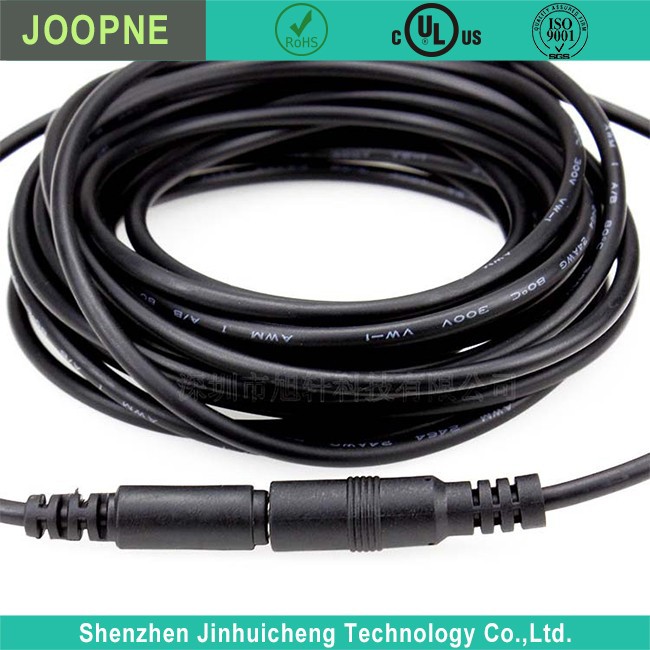

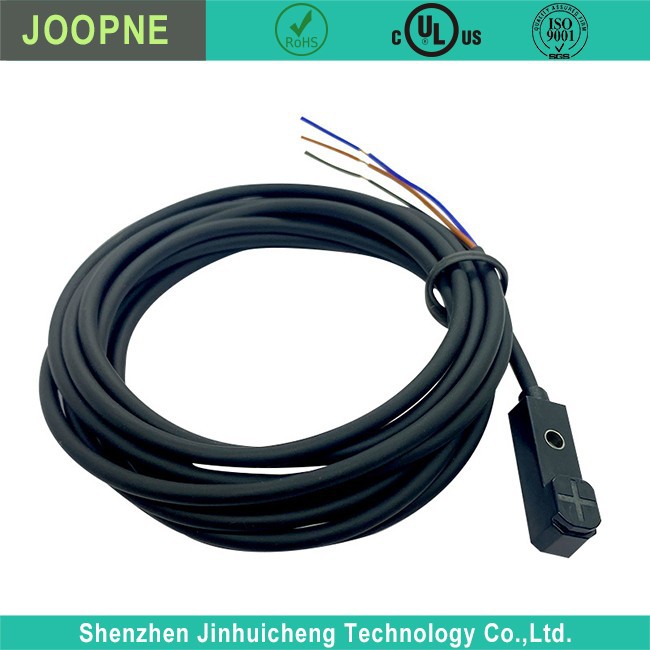
Sensor Cable
Sensor cables are specialized cables used to connect sensors to various electronic systems or devices. These cables facilitate the transmission of data, signals, and power between sensors and the equipment they are integrated with, such as control systems, data acquisition units, measurement devices, or other electronic components.
Product Introduction
Sensor cables are specialized cables used to connect sensors to various electronic systems or devices. These cables facilitate the transmission of data, signals, and power between sensors and the equipment they are integrated with, such as control systems, data acquisition units, measurement devices, or other electronic components.
Key features and considerations for sensor cables include
Signal Transmission:
Sensor cables are designed to transmit electrical signals generated by sensors. These signals can include analog signals (such as voltage or current signals) or digital signals (such as serial communication protocols like I2C, SPI, UART, etc., or Ethernet for certain sensors).
Type of Sensors Supported:
These cables cater to various types of sensors, including temperature sensors, pressure sensors, proximity sensors, motion sensors, humidity sensors, accelerometers, strain gauges, and more.
Connector Types:
The cables are equipped with connectors compatible with the sensor’s interface. These connectors can vary widely based on sensor types and include standard connectors like USB, DIN, M12, RJ45, or proprietary connectors specific to certain sensors.
Number of Conductors:
Sensor cables often contain multiple conductors to accommodate various signals from sensors. The number of conductors may vary based on the sensor’s functionality and the data it needs to transmit.
Shielding:
Some sensor cables may feature shielding to protect the transmitted signals from electromagnetic interference (EMI) or external noise, ensuring accurate and reliable signal transmission.
Length and Flexibility:
They come in different lengths to suit various installation requirements. Flexibility in the cable’s design allows for easy routing and installation in different environments.
Environmental Considerations:
Depending on the application, sensor cables may need to withstand specific environmental conditions such as moisture, temperature fluctuations, or exposure to chemicals. Some sensor cables are designed to be rugged or weatherproof for outdoor applications.
Compliance and Standards:
Ensuring compliance with industry standards for cable construction, signal integrity, and safety is crucial for reliable sensor performance and data accuracy.
Sensor cables are critical components in many applications, including industrial automation, automotive systems, robotics, medical devices, environmental monitoring, and more. Choosing the right sensor cables that match the specifications of the sensors and the equipment they are connected to is essential for accurate data transmission and optimal performance of the sensor systems. These cables can be sourced from electronic component suppliers, sensor manufacturers, and distributors specializing in sensor-related components.
Product Qualification
The cable comes in many different sizes to help you get the length you need. The cables are available in different lengths like 0.3m, 0.9m, 1.8m, 3m, 3.6m, 4.6m and 7.6m or others as your request.


Hot Tags: sensor cable, China sensor cable manufacturers, suppliers, factory, M18 cable assembly, 4 gauge golf cart battery cables, 3 core ribbon cable, cable used for cctv, 60 pin ffc cable, positive battery wire
Send Inquiry
