
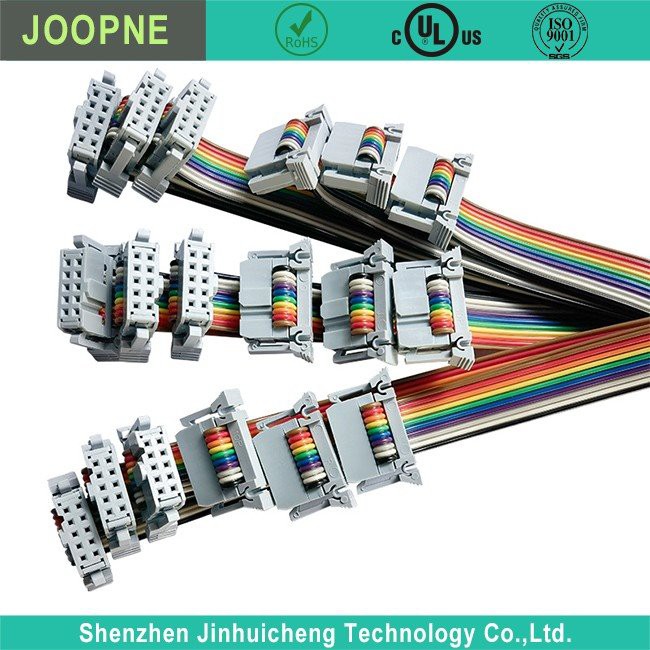

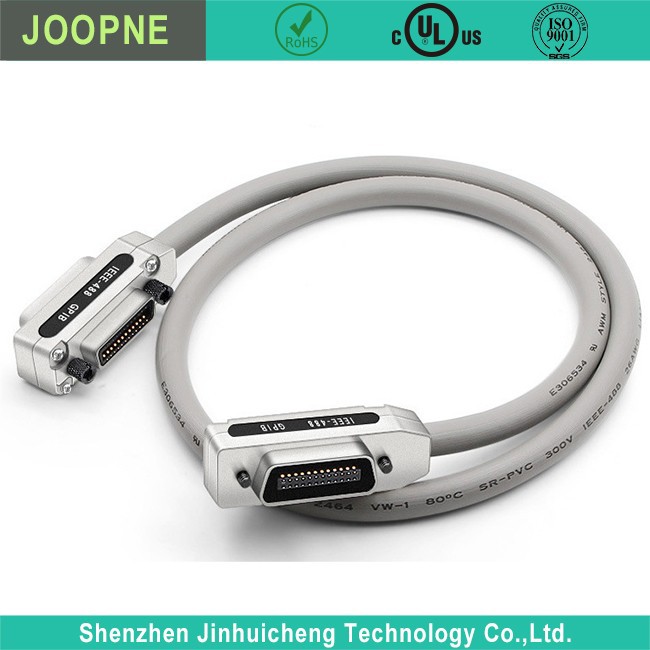
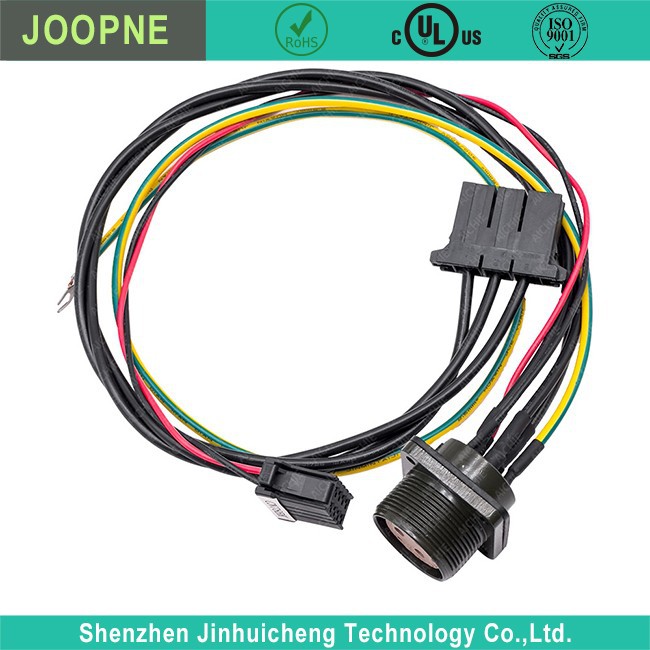
Instrumentation Controller Cable
“Instrumentation Controller Cable” typically refers to cables used in systems that involve instrumentation controllers. These cables are crucial for connecting various instruments, sensors, actuators, or control devices to a central control unit or controller.
Product Introduction
“Instrumentation Controller Cable” refers to cables used in systems involving instrumentation controllers. These cables connect various instruments, sensors, actuators, or control devices to a central control unit or controller.
The requirements for instrumentation controller cables can vary widely depending on the specific application, the type of instrumentation being used, and the operating environment. These cables facilitate the transmission of data, signals, and power between different components within an instrumentation system.
Key considerations when selecting instrumentation controller cables
- Type of Instruments: Different instruments may require different cable types, connectors, and signal transmission capabilities. For example, temperature sensors might need different cables than pressure sensors.
- Communication Protocols: Cables may need to support specific communication protocols such as RS-232, RS-485, Modbus, Profibus, Ethernet, etc., depending on the instrumentation and controller specifications.
- Environmental Conditions: Consider the operating environment (indoor, outdoor, or harsh industrial settings) to select cables resistant to factors such as moisture, temperature extremes, chemicals, and physical wear and tear.
- Electromagnetic Interference (EMI): Shielding might be necessary to protect signal integrity and prevent interference from nearby electrical equipment.
- Connector Types and Pinouts: Ensure compatibility between connectors used in the instruments and the controller. Common connector types include D-sub connectors, circular connectors, RJ45 connectors, and more.
- Wire Gauge and Conductors: Ensure the cable can handle the required voltage, current, and data transmission without signal degradation or loss.
- Length: Determine the appropriate cable length to connect the instruments to the controller effectively.
When selecting instrumentation controller cables, it’s essential to refer to the specifications provided by the instrument manufacturers and the controller documentation to ensure compatibility and optimal performance.
Similar to motor controller cables, instrumentation controller cables are available from electronics suppliers, industrial suppliers, or specialized distributors who cater to the needs of instrumentation and control systems. They can assist in selecting the appropriate cables based on your specific requirements and system configurations.
We offer custom options for Instrumentation Controller Cables in various sizes, colors, and lengths.
Product Qualification
The cable comes in many different sizes to help you get the length you need. The cables are available in different lengths like 0.3m, 0.9m, 1.8m, 3m, 3.6m, 4.6m and 7.6m or others as your request.



Hot Tags: instrumentation controller cable, China instrumentation controller cable manufacturers, suppliers, factory, 51Pin LVDS Cable, extension plug uk, eu plug extension lead, mmcx to bnc, lvds to vga cable, 8 b s cable for dual battery
Send Inquiry
