Computer Cable
A computer cable is an essential component of modern technology that serves as a physical conduit for transmitting data, signals, or power between various electronic devices. These cables come in a myriad of types and configurations, each designed for specific purposes. Common examples include USB cables for connecting peripherals like keyboards and mice, HDMI cables for transmitting high-definition video and audio, Ethernet cables for networking, power cables for supplying electricity to devices, and countless others. Computer cables are typically composed of conductive materials like copper or fiber optics to ensure efficient data transfer, and they are often shielded to minimize interference and signal degradation. The type of cable required depends on the devices being connected and the data or power requirements, making them a crucial part of the modern digital ecosystem, enabling seamless communication and functionality among our interconnected gadgets and systems. In the computer system, there are several different parts which are connected to the system. These parts can be directly plugged into the computer system computer motherboard, or there can be a requirement of some cable to connect computer parts to the system. There are different types of cables in the market, like HDMI cable, VGA cable, DVI cable, Ethernet cable, PS/2 cable, 3.5 mm audio cable, USB cable, and computer power cord cable.
Waterproof Cable
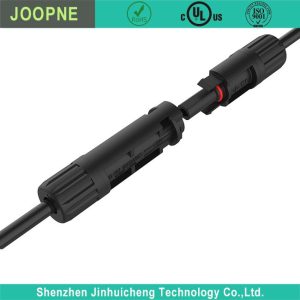
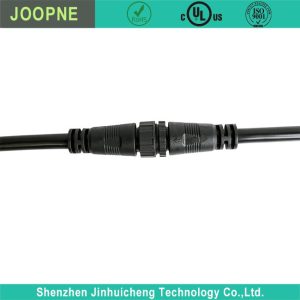
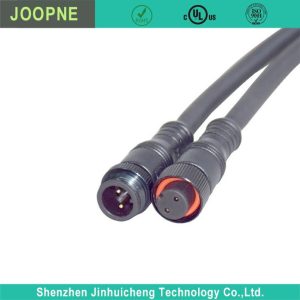
Waterproof cable, as the name implies, there is a cable to prevent water immersion, hydrolysis function. Generally speaking, the need for outer jacket material has a waterproof function. The out jackets were made of waterproof rubber, the cable is also filled with waterproof rubber, cable jacket with waterproof rubber sheathed for submersible pumps, coal mines, underwater operations, water lights and other water treatment equipment, used for outdoor power connection. Since these cable insulation and jackets could be anti- corrosion to water, not current we can see the PVC in our life everyday. These PVC materials before extrusion had been added waterproof or Fireproof elements. Even you need them working underwater for your projects long term. These cables could be surviving longer than current PVC. We are talking about these waterproof cable is the overmolded connector with mating. In submarine works or outdoor lights like on Road or Solar lights, a quick disconnecting for inspection and installation you have to screw them on/off, these equipments working long time under bad weather that the waterproof cable is the most considerable in your system. These cables have the ability to be designed to survive in completely submerged environments and are customized to function at varying depths. These different applications make the type of construction an important factor during the design phase.
Battery Cable
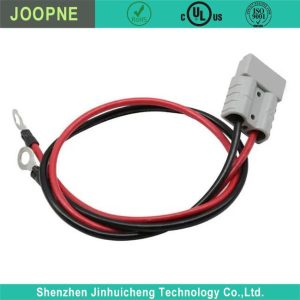
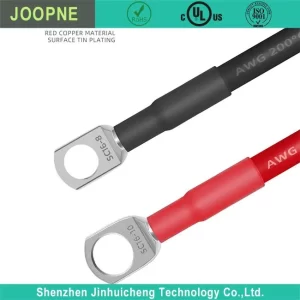
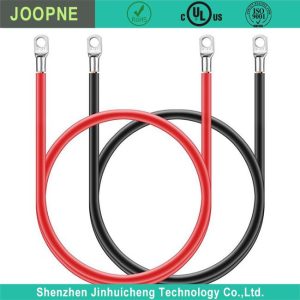
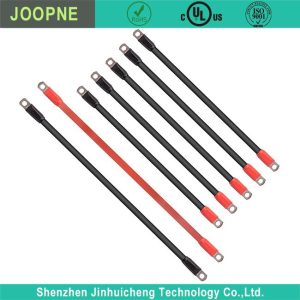
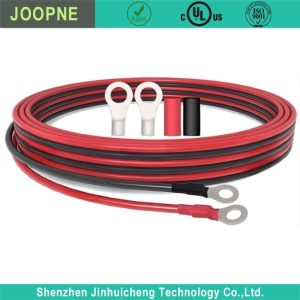
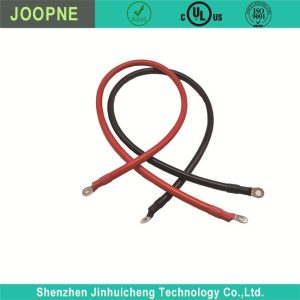
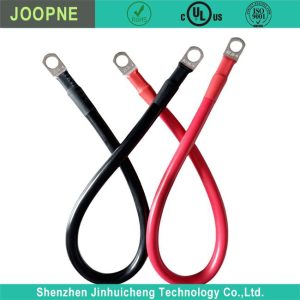
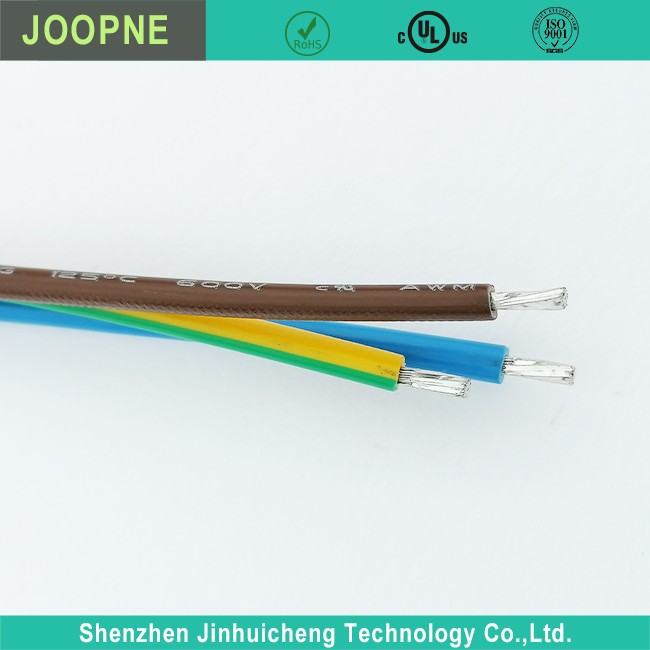
Battery cables are an essential component of any electrical system that uses batteries. They provide a direct path for electrical current to flow from the battery to the rest of the system. As such, the size and specification of the cable are crucial factors in determining the efficiency and safety of the entire electrical system. Battery cable is an efficient solution when it comes to connecting a battery to its starter. A direct connection with few sharp turns is where the strength and durability of battery cable comes through. For example, battery cable is often found in boats, buses, cars, trucks, RVs and tractors. This type of cable is usually rated to 60V DC with a wide array of gauges sizes. In comparison to other cable types, such as welding cable, battery cables are often see as an easy and cost-effective solution to your battery connection needs. Depending on your specific application, there are different kinds of cable that may be a fit. Battery Cable is a vital product when it comes to providing a link between the battery and fuse block or starter. A faulty connection can lead to poor application performance, battery breakage, damaged parts, and increased safety hazards.
Solar Cable
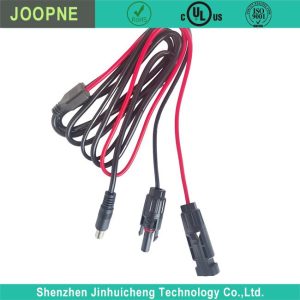
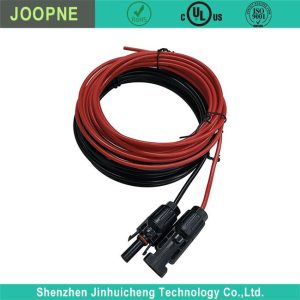
A solar cable is one which comprises a number of insulated wires. They are also used to interconnect the several components in a photovoltaic system. However, a major plus point is that they are resistant to extreme weather conditions, temperature, and UV. The higher the number of conductors it contains, the greater its diameter. The quality of a solar cable is determined by its resistance, ductility, malleability, heat capacity, dielectric strength, and free from halogen. Solar cables are suitable for permanent outdoor long- term use, under variable and harsh climate extremely resistant to weathering, UV-radiation and abrasion conditions. Individual modules are connected using cables to form the PV generator. The modules are connected into a string which leads into the generator junction box, and a main DC cable connects the generator junction box to the inverter. Additionally, it is salt water resistant and resistant to acids and alkaline solution. Also suitable for fixed installation as well as for moving applications without tensile load. It is especially designed for outdoor use, which means direct sun radiation and air humidity, due to the halogen free & cross-linked jacket material the cable can also be installed in dry and humid conditions indoors.
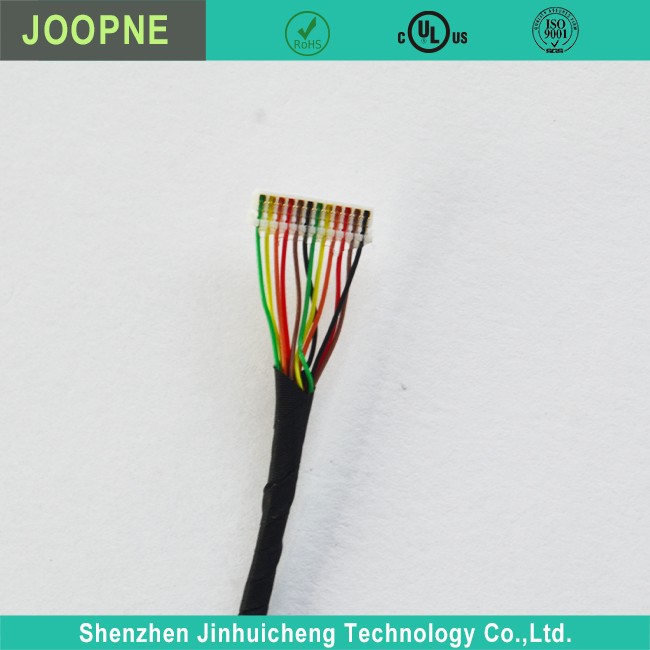
LVDS Cable
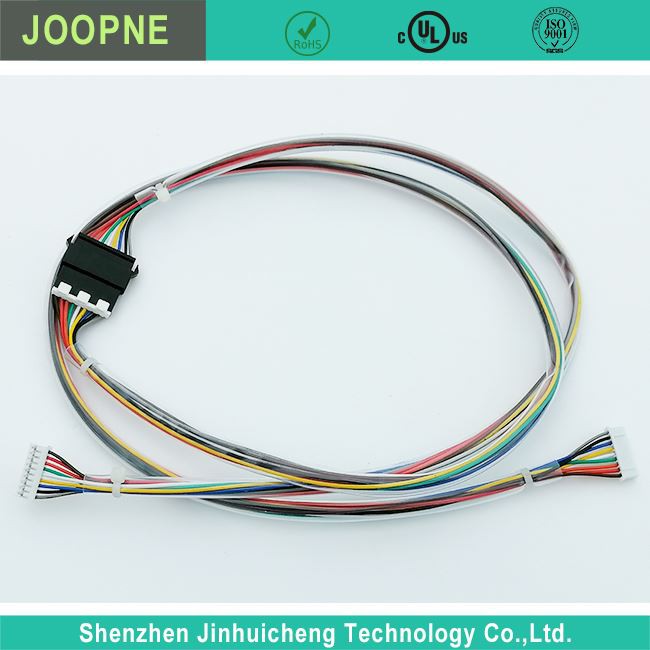
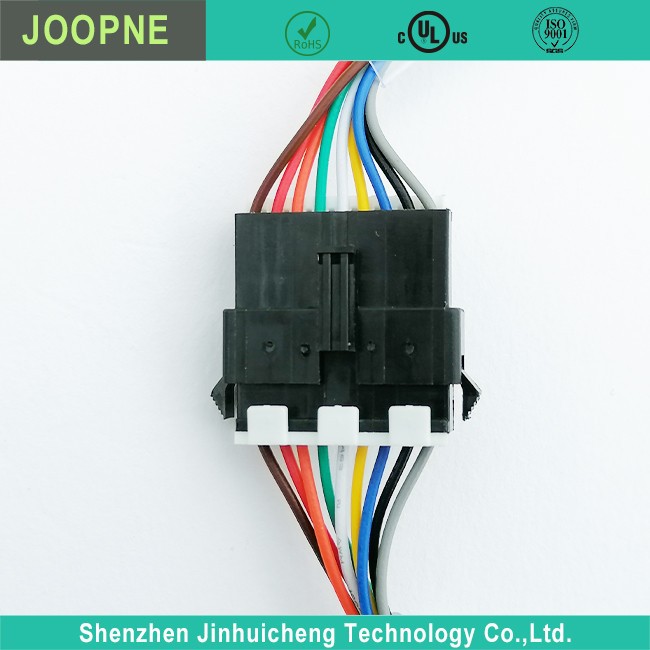
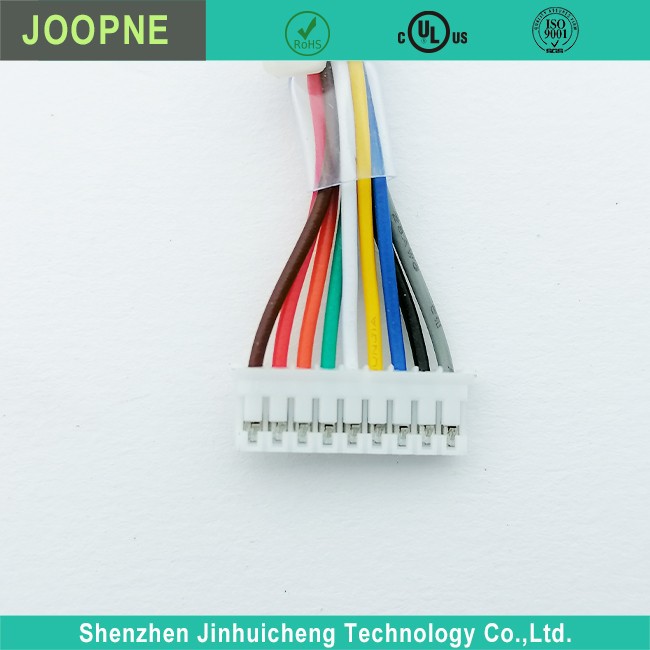
LVDS cables are very popular in electronic communication devices like computers. Before LVDS cable assemblies were introduced, the data transfer rate was too slow and cables used to occupy more space. These cables are of great use in networking as well as in analog video interfacing. The length of data transfer cable assembly can be from 1.00 inch to several meters (6-7) depending on the structure and requirement of the LVDS system. LVDS cables are the best choice where low power exists and a large amount of data transfer is required. LVDS is now supported by SCSI standards. This allows cable assemblies built for LVDS to support higher data rates and longer cable lengths. LVDS cable assemblies are also used in video interfacing devices. They are more commonly used for transporting video data from graphics adapters to computer monitors particularly LCD screens, FPD-Link or OpenLDI standards. These standards of LVDS cable assemblies allow a maximum pixel clock of 112 MHz, which suffices for a display resolution of 1400 x 1050 (SXGA+) at 60 Hz refresh. A dual link can boost the maximum display resolution to 2048 x 1536 (QXGA) at 60 Hz. FPD-Link works with cable lengths up to about 5 m, and LDI extends this to about 10 m.