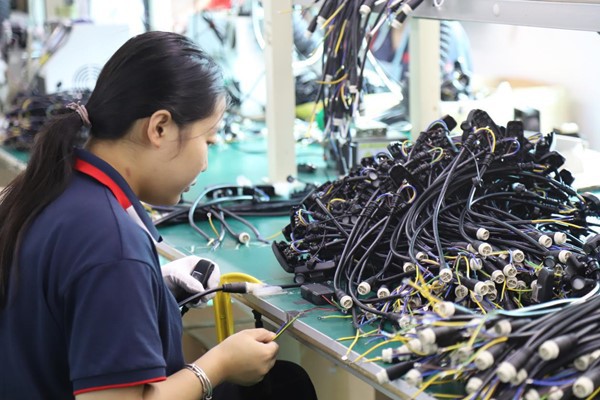
AC Power Cords
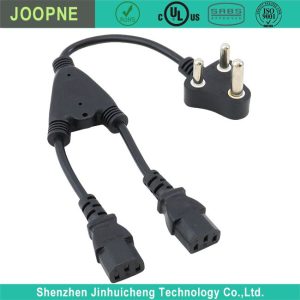
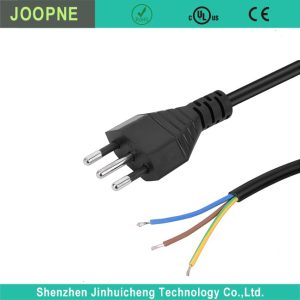
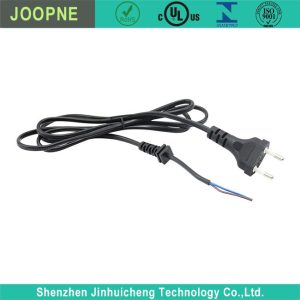
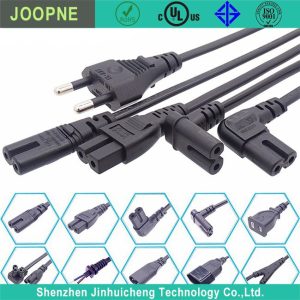
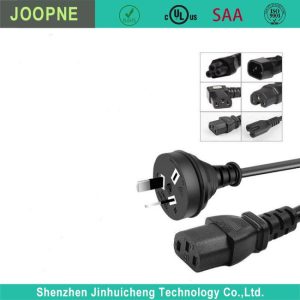
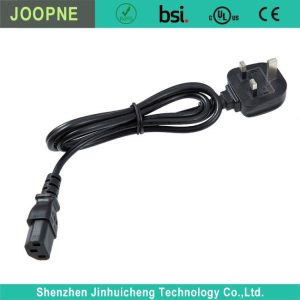
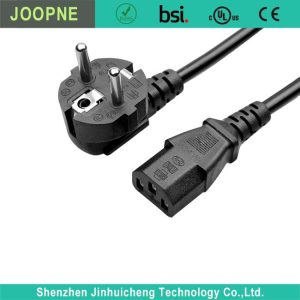
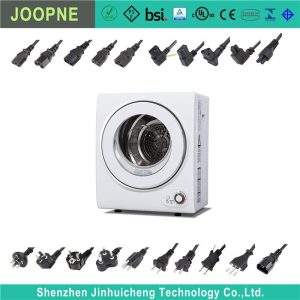
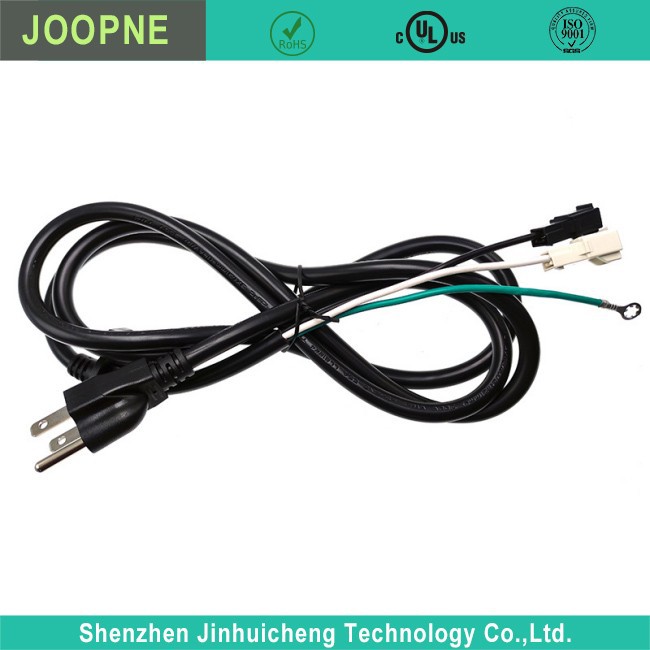
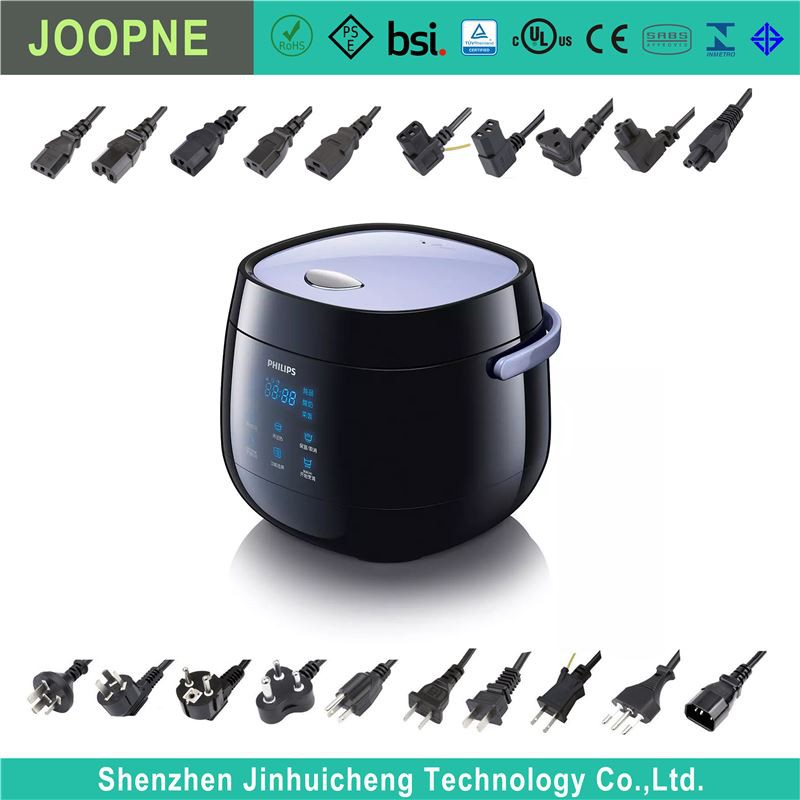
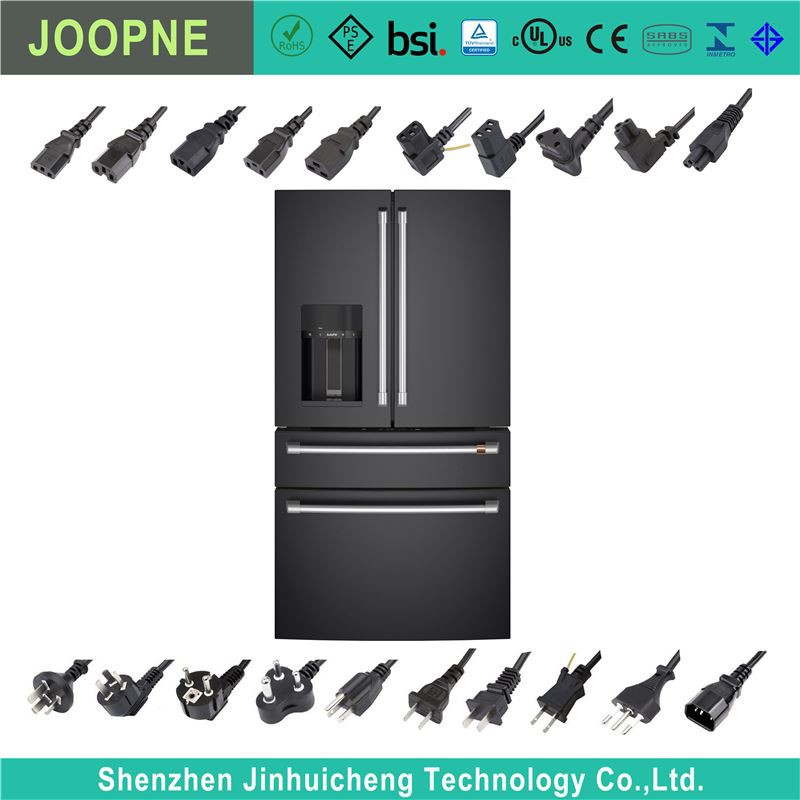
AC power cords supply alternating current from a power source to electrical equipment or appliances. They are used with applications like electrical power tools, lighting, household appliances, musical instruments, shop equipment, and for personal uses. The structure of AC connecting cords include a cable assembly with wires, wire sheathing of polymer or rubber, insulation, and plugs that include prongs, casing, and wire terminals and have different voltage ratings. Manufacturers of AC power cords have exacting specifications for their construction that include voltage rating, current rating, wire shape and size, length, sheathing material, types of plugs, and connectors. The connector attaches to the appliance or electrical equipment while the plug connects to the electrical receptacle or power supply. Since countries use different voltages and frequencies in their AC power, cords must fit those standards to perform correctly. AC plug types go from A through O and break down into further categories with slight variations.
NEMA Power Cords
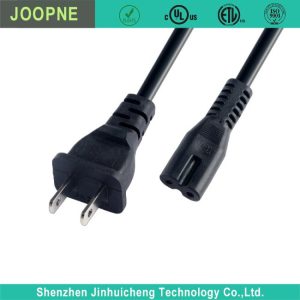
NEMA power cords are the standard for North American electrical plugs, cord voltage capacities, and electrical receptacle configurations. The most common NEMA plugs used to be Type A with two conducting blades or prongs. Type A plugs have been replaced by Type B, which has an additional third grounding rod. The international configuration of plugs varies extensively with many countries using some form of type A plugs. Devices approved by NEMA are typically engineered to be one wire or two wire devices depending on whether or not a device is polarized or grounded. Different considerations to keep in mind when purchasing electrical components include the intended use of the power cord, plug or connectors, the intended energy load and the required transfer a device may need. NEMA standards are exclusive to North America and do not apply to other countries. When traveling outside of North America, it is important to have an adapter for the country to be visited.
NEMA 5 15p Power Cords
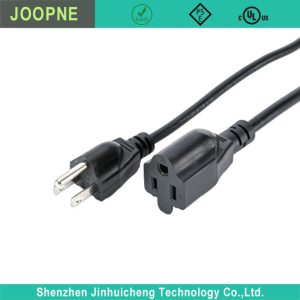
NEMA products range from 15 to 60 amperes and 125 to 600 volts. They are differentiated by their classifications. All NEMA 1 power cords have a two-prong design, while NEMA 5 power cords have a three-prong configuration. NEMA 5 devices are three-wire grounding devices that are rated for a maximum voltage of 125. The 5 15 rating, specifically, is a grounded version of a NEMA 1 15 device. Devices that are classified as NEMA 6 and up are typically used to direct power to large machines or household appliances. While all NEMA 5 15P power cords have three prongs, some are designed with different ends. For cords that are used behind furniture, the head of the cord turns sideways so that it can be flush with the wall. Others have a traditional head that goes straight into the wall. Some NEMA power cords have multiple outlets so that one power source can be extended and used to power several devices at the same time.
Generator Power Cords
Generator power cords are available in a wide range of styles that include 15 amp ratings to 30 amp ones along with a series of different connectors. The most common types of generator power cords are 5, L5, L14, 14, TT and CS, which are related to the receptacle labels where L14-30P means that it is a twist lock, 30 amp plug. There are several options when looking for a generator power cord with different connectors from generator power cord manufacturers, who can produce custom power cords in order to ensure the exact wire sizes and minimize voltage losses for a desired wire length. When selecting a generator power cord, it is important to understand that generators are measured in watts, while generator power cords are measured in amps. Generator power cords with higher amps are able to handle more electricity. In addition, higher amp generator power cords are thicker, which enables them to handle more wattage. Most generators have several receptacles with each receptacle being able to handle different amps.
Power Supply Power Cords
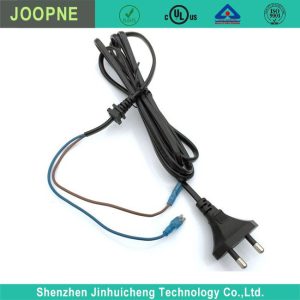
A power supply cord, or electric cord, serves as a connector between an electrically powered piece of equipment and an electric power source. Power supply cords are used to power lighting and sound equipment, power tools, and household appliances. They consist of copper wire protected and insulated by rubber or some form of polymer and can be detachable or permanently connected. Depending on the application, power supply cords can be flat or rounded and available in coiled or a retractable form for convenience. As with all forms of power cords, power supply cords are available in various lengths to make connection and storage easy. In the majority of cases, power supply cords tend to be short and close to the device for which they provide power. As with all forms of power cords, the voltage rating for power supply cords vary in accordance with the country where they are used with the standard voltage for the United States being 110V or 120V while European countries have standard voltages of 220V to 240V. Other nations have standard voltages of 100V to 127V.
Cord Sets
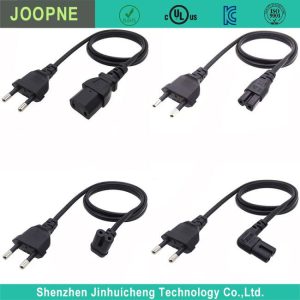
Cord sets conduct electricity and involve a conductor, such as copper wire, insulation material, and a protective covering. Other components include electrical fuses to prevent surges in voltage, a current leak detection component, and a method for monitoring voltage. With sensitive equipment, protective material is included to minimize the effects of electromagnetic interference (EMI). The structure of cord sets consists of a molded plug and a country appropriate molded connector. Cord sets are designed to connect directly to the power supply and provide power to an appliance, application, or process. An essential aspect of cord sets is ensuring that they have the proper plug pattern for where they are used. As with all forms of power cords, the amperage and voltage rating should match the requirements of the equipment to be powered. Cord sets are used wherever electrical equipment and appliances are including retail, commercial, industrial, and residential locations and normally use AC power. Extension cords are longer cord sets that provide electricity up to hundreds of feet away from a main power source.
Custom Power Cords
When choosing custom power cords, it is important to know the limitations and challenges of an application before consulting a custom power cord manufacturer. Custom power cords are designed for a specific application and process. They are minutely engineered to fit a set of predetermined conditions and may not adhere to NEMA standards due to their unique design. Typically, custom power cords include the heaviest wire and grounding pin. Wet applications require custom power cords with a sealed plug to prevent moisture from getting into the receptacle. The color of custom power cords are a safety measure that is used to indicate certain types of cords. Brightly colored cords reduce hazards and make it easy to identify the location of a power cord. Some custom power cord designs include surge protectors to protect tools or machines. Custom power cords provide customers with a wide range of options for producing power cords with the exact length, amperage, strength, durability, and number of outlets. Manufacturers work closely with their customers to precisely match the design requirements for a custom power cord. The key factor in the process is the use of a custom power cord such that the final product perfectly matches the needs of a customer.
Electric Power Cords
Any piece of electrical equipment that requires connection to a power source, such as machinery, domestic appliances, and computers, has an electric cord, which can be flexible or semi-rigid. For the cord to transfer electrical energy successfully and safely between the power source and the appliance, the connection between the plug and the receptacle of an electric power cord are tightly fitted. Electrical receptacles, or females, are fabricated from insulating materials such as nickel, silver, galvanized steel, or plastic. Receptacles run on standard 120-volt systems, while electrical equipment, such as industrial machinery that require a higher voltage, have heavy duty 240-volt receptacles. The majority of modern electric power cords have a ground pin for polarization. Non-detachable electric power cords are hard wired into equipment or appliances and are not intended to be removed. They consist of a plug and strain relief connector attached to the piece of equipment using a double crimped lug or ring terminal. The nature of non-detachable electric power cords varies in accordance with the type of equipment to which they are attached. This aspect of their nature has to be carefully monitored to ensure that they are not damaged. Detachable electric power cords are one of the most common forms of power supply tools and have residential and industrial use. They are referred to as line cords and consist of flexible cord with male and female electrical connectors. The male end is attached to a molded plug with prongs or blades while the female end has a molded electrical receptacle. The molding of the ends of an electric power cord is to ensure that the ends are sealed such that the prongs or blades are not exposed.