Call Us: +86-755-27088601 Email: Jhc07@jhcgd.com

FFC FPC Cable

Shenzhen Jinhuicheng Technology: a Professional FFC FPC Cable Manufacturer


We can not only provide high-quality products and competitive prices, but also ensure fast delivery time and good after-sales service.
Variety of Products
We mainly research and produce customized cable assemblies, such as coaxial cables, control cables, connecting wires, XLPE cables, cables and other customized special cables. We can also provide LCD LED panel connection cables, wiring harnesses, power cables, coaxial cables, FFC FPC cables, and waterproof cables.

Advanced Production Equipment
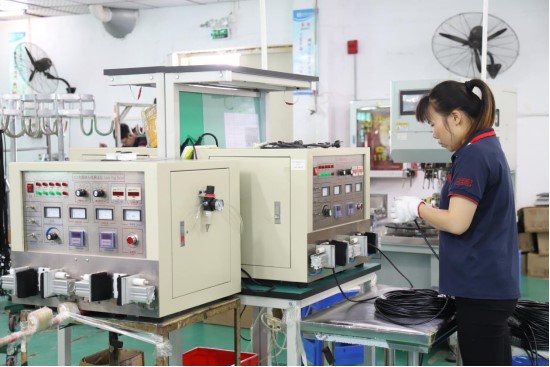
We have 10 sets of domestic first-class plastic extrusion production lines and three-layer co-extrusion foaming machines. We are also equipped with an online detection system that can monitor and adjust the capacitance, outer diameter, and eccentricity of the cable to ensure the high quality of the cable.

Multiple Professional Certifications
We have a complete quality assurance system, and our products comply with CCC (China Compulsory Certification), US UL certification, ISO9001, and ETL certification. Our raw materials comply with RoHS, REACH and SGS standards.

OEM ODM Available
Our company has 18 years of manufacturing experience. At the same time, we are an OEM ODM custom FFC/FPC cable suppliers for many well-known brands around the world, such as ASUS, Sceptre, DELL, KONKA, LG, VIZIO, etc. We can also manufacture products according to your design.

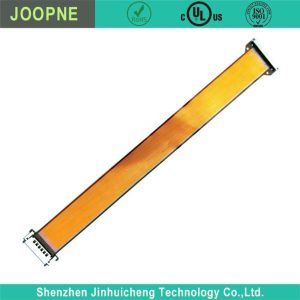
Heat Resistant FFC Cable

Brief Introduction to FFC FPC Cables

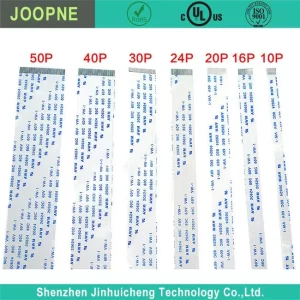
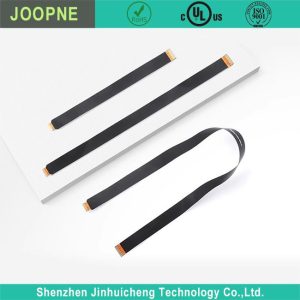
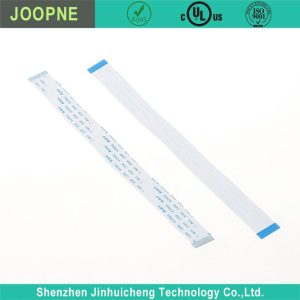
FFCs (Flat Flexible Cables) consist of multiple flat conductors insulated with a flexible plastic film that is laid out with conductors that are straight. FFCs are available in many pitches such as 0.5mm, 1.00mm and 1.25mm. FFCs typically have a stiffener attached to the opposite side of the contact portion to be inserted into a connector. They are simple one-to-one hookup jumpers found on LCDs, mother boards, touch screens, cameras and other various devices. An FPC is a Flexible Printed Circuit. FPCs are flexible and foldable printed circuits that consist of a layer or multiple layers of copper traces with a polyester base layer. FPCs can have electronic components mounted to its traces and have overlapping traces.


Features of FFC FPC Cables

FFC

*The full name of FFC in English is Flexible Flat Cable, which is a kind of PET insulation material and extremely thin tinned flat copper wire. The new type of data cable, which is pressed by high-tech automatic equipment production line, has the advantages of softness, random bending and folding, thin thickness, small size, simple connection, convenient disassembly and easy solution for electromagnetic shielding (EMD).
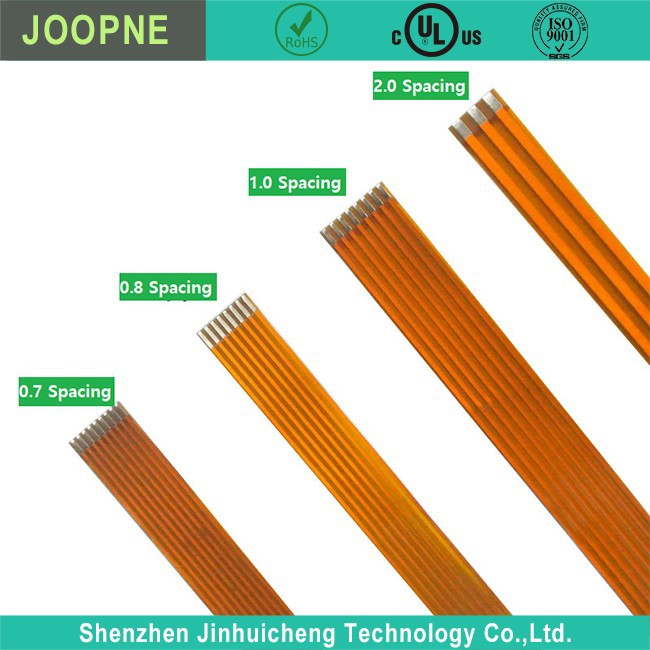
*The number and spacing of wires can be selected arbitrarily, which makes the connection more convenient, greatly reduces the volume of electronic products, reduces production costs, and improves production efficiency.
*It is most suitable for data transmission cables between moving parts and main boards, between PCB boards, and in miniaturized electrical equipment.
*Common specifications include 0.5mm, 0.8mm, 10mm, 1.25mm, 1.27mm, 1.5mm, 2.0mm, 2.54mm and other flexible cables with various pitches.

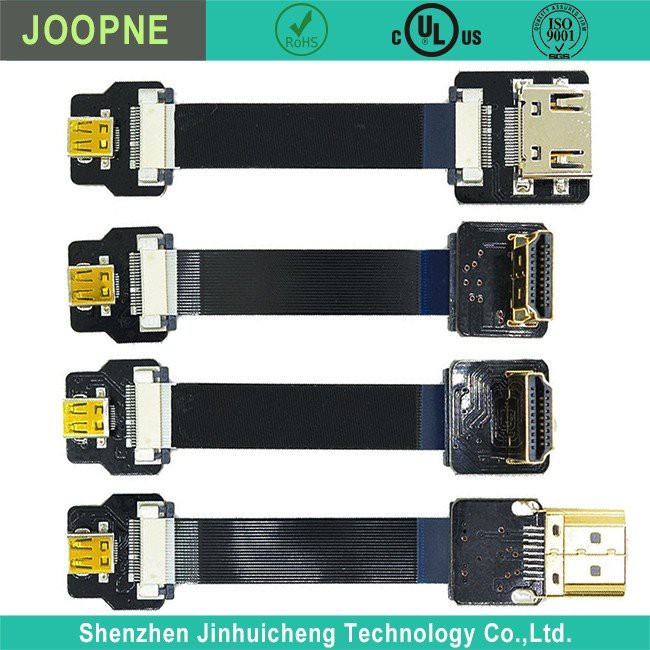
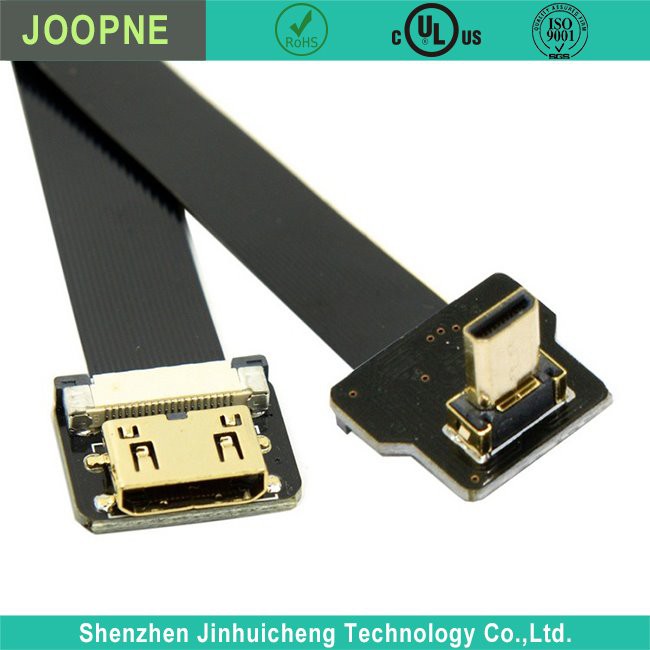
HDMI FFC Cable


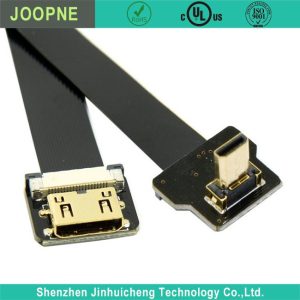
HDMI FFC Cable

FPC

*FPC is small in size and light in weight. The original design of the cable board is to replace the larger wire harness wires.
*FPC can be moved, bent, and twisted without damaging the wires, and can comply with different shapes and special package sizes.
*FPC has excellent electrical properties, dielectric properties, and heat resistance.
*FPC has higher assembly reliability and quality. The flat cable reduces the hardware required for internal connection, such as solder joints, trunk lines, backplane lines and cables commonly used on traditional electronic packages, so that the flat cable can provide higher assembly reliability and quality.


Advantages of FFC FPC Cables

1.Flexibility
One of the most significant advantages of FFC FPC cables is their flexibility. These connectors consist of thin, flat cables that can be bent, twisted or folded to fit into tight spaces or complex layouts. The flexibility of FFC FPC cables allows easy integration into compact electronic devices, making them ideal for applications where space is limited.

2.Compact Size
FFC FPC cables are known for their compact size, which makes them an excellent space-saving solution for electrical applications. The slim profile of these cables allows designers to create smaller, lighter devices without compromising performance or functionality. Whether in consumer electronics, automotive systems or medical devices, FFC FPC cables provide practical solutions for miniaturization.

3.High Speed Data Transfer
In today’s fast-paced digital world, high-speed data transmission is crucial. FFC FPC cables are designed to support high-speed data rates, ensuring fast and reliable connections between components. Featuring low transmission loss and excellent signal integrity, these cables are suitable for applications requiring fast and accurate data transfer, such as computer peripherals, smartphones and high-definition displays.

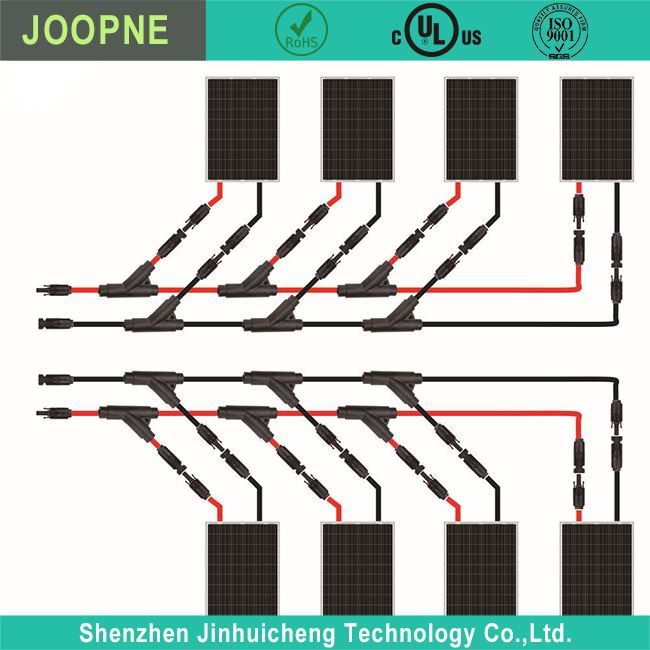
Mc4 Extension Cable

04

Easy to Install

FFC FPC cables are designed for easy installation, simplifying the assembly process in electrical applications. The cable has a contact system that allows quick and safe insertion and removal of the cable. This easy installation saves time and cost.

05

Strong Reliability

FFC FPC cables minimize signal loss and electrical failures by providing a low resistance connection with excellent electrical performance. The high-quality materials used ensure stable and reliable signal transmission, reducing the risk of data corruption or system failure.

06

Durability

Electrical equipment often faces challenging environments and repeated use. FFC FPC cables are made from durable materials that resist high temperatures, moisture and mechanical stress. This durability ensures the longevity of the connector and helps maintain the integrity of the electrical connection over time.

07

Versatility

Integrated factory strength to support all kinds of tape customization,with paper base,cloth base,glue,coating all raw material production capacity


Difference Between FPC and FFC

Do you know the difference between FPC and FFC? How do you know which is better? We’ll explain the differences between these two cables and help you make the right choice for your projects.

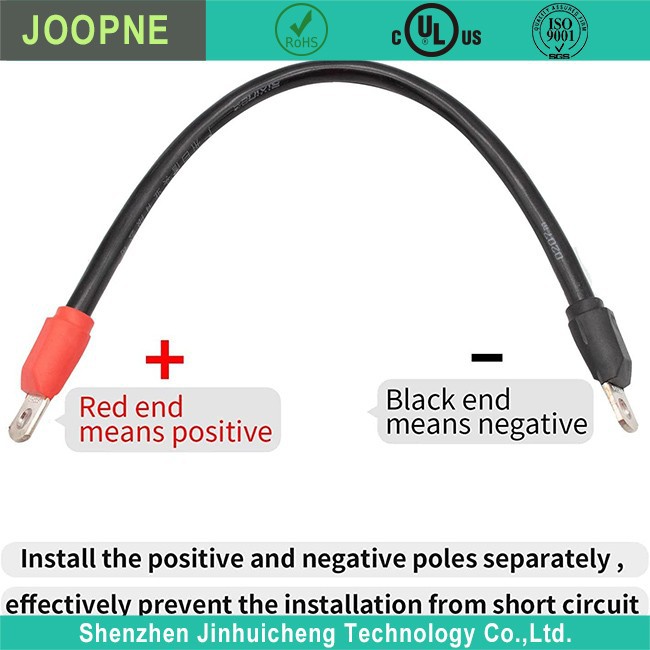
Solar Battery Cables
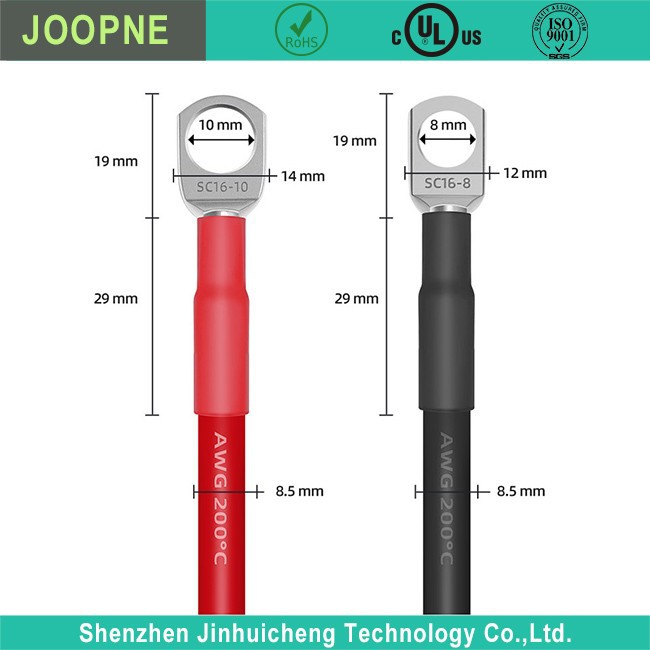
Golf Cart Battery Cables
M12 Cable Assembly
M12 Cable Assembly

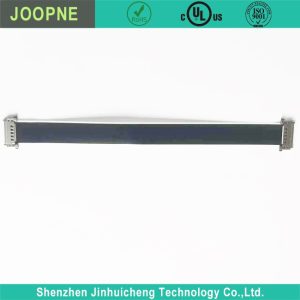
Flexible Flat Cable
If you’ve ever wondered whether the differences between a flexible flat cable and a traditional round electrical wire are worth the hassle, read on to learn more about the two. Unlike traditional round cables, flexible flat cables are thin and lightweight, making them a popular choice among designers. In addition to helping designers save space, they can add an innovative touch to their designs. Pitch is the primary difference between a flexible flat and a standard flat cable. Pitch is a measurement of the distance between the centers of two adjacent wire conductors. These cables are often helpful in medical products, industrial automation, pulp and paper, festoon systems, packaging, and semiconductor products. They are also widely used in stereos and scanners, with many other applications. You can find them just about everywhere in modern electronics.

Flexible Circuit
In contrast to rigid circuits, flexible circuits can be flexed and maintain their form. They consist of a thin insulating polymer film with a pattern of conductive traces. They have been in use since the Second World War, but their popularity is growing today. There are two main types of flexible circuits: single-sided and double-sided. Single-sided flex circuits have only one metal layer. They add Polyimide or FR4 overlays for added insulation and protection against environmental degradation. Polymer thick film flex circuits are a subtype of the flexible circuit. We manufacture them by printing the circuit elements onto a thin polymer film. The result is a thin, flexible layer of electrical components. Polymer thick film flex circuits are typically single conductor layer structures, though two or more layers can be printed in a sequence separated by insulating layers. While they are generally less flexible, we can make polymer flex circuits with varying amounts of metal.

Flexible Circuit Cable
There are many advantages of FFC over FPC for electronic enthusiasts. These cables feature a wide range of capabilities and components. As a result, users often feel confused when choosing which type of cable to use. FFC cables are commonly helpful for high-density electronic applications.The construction material is the main difference between an FPC and an affixed FFC cable. FPCs are thinner and have thinner conductor layers. FFCs are helpful in LCDs and motherboards. FPCs are made of copper, coverlay, and PI and are customizable in shape and pattern. We can bundle these types of cables together to fit a variety of applications.

Cost
In general, FFC and FCCL cables are similar to each other, but they differ in their cost and applications. We can make these cables with single or double-sided copper wires. They require a chemical etching process and have various layers of coating. The FCCL process produces thicker FFCs. However, some companies use both types of cables for specific projects. When choosing the type of cable to use, consider each material’s application and cost.

Connectors
In general, FPC cables and connectors cost less than FFC connectors. Companies concerned with costs often choose FFC designs, but they are more practical. The differences between the two are not so noticeable, but they are essential to know. If you’re looking for a high-quality connector, look for one with an internal FPC connector with a 0.3mm pitch.

Pinouts
If you’re trying to connect two computers or other electronic devices, you may wonder which connector to use. FPCs are ideal for straight-through connections, while FFCs are often layered and impedance controlled. FPC wiring is a flexible circuit board made from a flexible polymer base coated with a protective polymer coating. Because it’s flexible, you can customize the number and spacing of wires. FFC is especially useful for electronics that require a high degree of flexibility. Flexible solar cells, for example, can be made to fit within the spacecraft’s shell. This circuit board is also lightweight compared to the rigid PCB board.

Applications
The similarities between FPCs and FFCs extend to their various applications. For example, both types have copper wires and a thin film of chemically etched copper on one side. They are essential in LCD televisions, printers, cameras, and laptops. In addition, they are ideal in the aerospace industry. However, FPCs are more sophisticated than FFCs. They consist of polyethylene terephthalate (PET), copper wires, and other flexible materials. Unlike other types of connectors, FPCs have a flat, flexible body with a barrier framework that we can organize after installation. This framework also provides a specific stabilization force. In addition, these connectors are strong and rigid enough to resist shock and vibration. Moreover, they have locking components to lock the connectors. For example, Amphenol makes a vibration-proof FFC and FPC with a 2.49mm pitch.


 

Applications of FFC FPC Cables


Consumer Electronics
In the realm of home appliances, the integration of digital displays has transformed the user experience. From smart refrigerators that notify you when you’re out of milk to washing machines that can be controlled via smartphone apps, the role of flex cables is paramount. These cables facilitate the connection between the main control unit and the display, ensuring real-time data transmission. Their flexibility is especially beneficial in appliances with curved or unconventional designs, allowing manufacturers to place displays in ergonomic positions for the user without being constrained by rigid wiring.

Medical Equipment
The medical field has seen rapid advancements in technology, with devices becoming more sophisticated and patient-friendly. Flex cables are at the heart of many medical devices, especially those that require mobility and precision. For instance, in advanced imaging systems like MRIs and CT scanners, flex cables connect the display monitors to the main units, ensuring high-resolution imaging. In endoscopic procedures, these cables play a dual role: transmitting data from the camera to the display and ensuring the device remains flexible enough to navigate the human body.

Home Appliances
In the realm of home appliances, the integration of digital displays has transformed the user experience. From smart refrigerators that notify you when you’re out of milk to washing machines that can be controlled via smartphone apps, the role of flex cables is paramount. These cables facilitate the connection between the main control unit and the display, ensuring real-time data transmission. Their flexibility is especially beneficial in appliances with curved or unconventional designs, allowing manufacturers to place displays in ergonomic positions for the user without being constrained by rigid wiring.

Industrial Devices
The industrial sector, known for its robust and heavy-duty machinery, has not been left behind in the digital revolution. Modern industrial machines come equipped with intricate touch-screen panels and digital readouts that provide operators with precise data. Flex cables in these devices ensure that displays can withstand the vibrations, temperature fluctuations, and other harsh conditions typical in industrial environments. Their durability and reliability make them the preferred choice for connecting displays in equipment ranging from CNC machines to industrial robots.


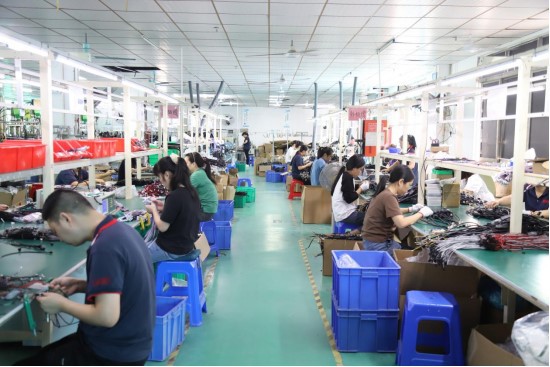
Our Factory

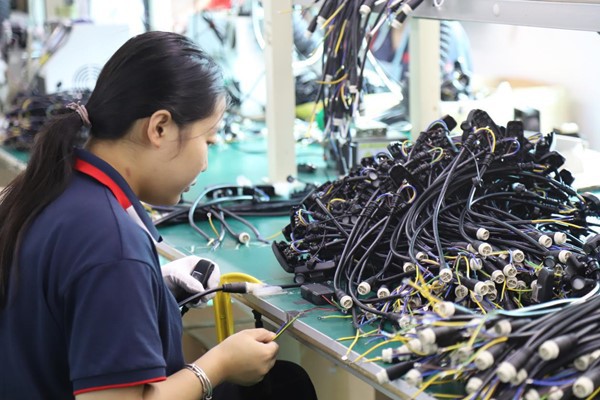
Below is our factory:

productcate-1-1
productcate-1-1
productcate-1-1


Ultimate Guide

Q: What are FPC/FFC cables used for?

A: FPC/FFC cables are increasingly used to connect LCD panels to printed circuit boards or to connect two printed circuit boards in a wide range of products and equipment, such as industrial equipment, home appliances, printers, LCD TV sets, and mobile devices. This has led to increased demand for connectors applicable for these cables.

Q: What is the difference between FFC and FPC connectors?

A: FFC connectors refer to the flexible flat cables used in FPC connectors. FPC connectors, on the other hand, are the connectors that house and secure the FFCs. FFC connectors are typically soldered or clamped to FPC connectors, providing a reliable connection between different components.

Q: Are FFC FPC connectors compatible with different types of circuits?

A: Yes, FFC FPC connectors are compatible with various types of circuits, including flexible printed circuits, rigid printed circuits, and even ceramic or glass substrates. Their versatility allows them to be integrated into different circuit designs, providing a reliable connection across different components.

Q: Can FFC FPC connectors be customized for specific applications?

A: Yes, FFC FPC connectors can be customized to meet specific application requirements. Manufacturers can tailor the connectors’ pitch, length, contact configuration, and other parameters to ensure compatibility and optimal performance in a particular application.

Q: What is the difference between a FFC and FPC?

A: FFCs and FPCs are often confused as they look very similar, both are flat, and they both transfer data. However, they are very different. FFCs typically must have conductors that are straight through with pinouts that are either 1 to 1, or 1-n. FPCs on the other hand can have a variety of pinouts as they can be multi-layered with conductors that cross over each other. FPCs can also be impedance controlled which makes them a better choice for data cables such as LVDS. FPCs can also be designed to have bends and angles, rather than just being rectangular. Selecting using an FPC or FFC would depend on what application you will be using it for.

Q: What is the highest density in terms of pins/positions available for FFC and FPC connectors?

A: The highest density FFC connectors support over 100 positions at 0.3mm pitch. Cutting edge FPC connectors achieve over 200 positions at 0.1mm pitch, although 50-100 positions at 0.5mm pitch is more common.

Q: How are FFC cables and FPC boards fabricated and terminated?

A: FFC cables are typically laminated using adhesive bonding of layers, with conductor exposures laser cut. FPC boards utilize traditional lithographic etching processes allowing tighter tolerances.

Q: Which provides the most compact footprint, FFC or FPC connectors?

A: FFC connectors can achieve extremely thin profiles below 1mm when mated due to the flat flexible cable. FPC connectors inherently require some Z-axis height for the connector housing itself.

Q: What types of signals are supported by FFC and FPC interconnects?

A: FFC and FPC connections support transmission of digital signals, analog signals, power, high-speed differential pairs, RF up to 6 GHz, and more depending on conductor geometry.

Q: What factors determine the lifetime durability of FFC vs FPC connectors?

A: Contact wearing, material fatigue, retention force, and alignment precision are key factors. FPC connectors are engineered for maximum cycles by gold plating, ZIF actuation, and precise guide alignment.

Q: What are FFC?

A: A flexible flat cable is an electrical cable made with flat solid conductors. The flexible flat cable is essential for various applications in the electronics industry. Flexible electronics refer to the technology that enables a device to be more flexible. Its unique properties allow it to fit in different places and can be used to power various electronics. A flat cable’s pitch refers to the spacing between the wire conductors. This distance indicates the pitch. Different cables have different pitches, but common values are 0.5 mm and 1 inch. The pitch of a cable will indicate its ability to accommodate a variety of applications. In addition, the pitch of a cable will affect its flexibility and strength. For example, high-speed ATA interface cables are made with 0.025-inch pitches and have a 0.1-mm pitch.

Q: Why is it important to consider the operating environment when choosing flex cables?

A: Different environments pose unique challenges. Home appliances might face humidity, while industrial devices can be exposed to extreme temperatures, chemicals, and vibrations. The flex cable should be chosen based on these conditions to ensure longevity and functionality.

Q: How do I ensure the durability of flex cables in my design?

A: Opt for high-quality cables that match the wear and tear expected in the device’s setting. Industrial devices, in particular, require cables with enhanced durability due to their harsh operating conditions.

Q: What should I consider regarding space constraints and flex cables?

A: Flex cables are adaptable and can be routed in tight spaces. Ensure your design leverages this adaptability, especially in compact home appliances or complex industrial layouts.

Q: Why is shielding important for flex cables?

A: Shielding prevents electromagnetic interference (EMI), ensuring clear data transmission and preventing device malfunctions, especially crucial in industrial settings and smart home appliances.

Q: What is FFC Cable?

A: FFC cable stands for flexible flat cables, one of the most common types of flex circuit. An FFC cable consists of thin copper traces laminated onto a flexible plastic film substrate. What makes FFC cable unique is that it’s unshielded, unlike many other varieties of flex circuits. The lack of shielding minimizes weight and thickness, making FFC cables perfect for tight, lightweight applications like camera modules and folding displays. The simplest versions are single-sided, with conductors on only one face of the cable. Higher density versions stack multiple layers to allow crossing of traces internally. FFC cables integrate with PCBs using specialized low-profile connectors like FPC and FFC/FPC types. These provide a reliable mechanical and electrical connection able to withstand repeated dynamic flexing. When designed properly, FFC cables can survive millions of flex cycles even in demanding uses. Their simplicity and durability make FFC cables a cost-effective choice for dynamic flexible interconnections.

We’re professional FFC FPC cable manufacturers and suppliers in China, specialized in providing high quality products and service. We warmly welcome you to wholesale customized FFC FPC cable from our factory. Contact us for pricelist and quotation.

tinned battery cable, h05vv f cooker cable, upvc electric wire moulding