

Video Surveillance Cable
Video surveillance cables are specialized cables used in CCTV (Closed-Circuit Television) systems to transmit video, power, and sometimes audio signals from cameras to recording devices (DVR/NVR) or monitors.
Product Introduction
Video surveillance cables are specialized cables used in CCTV (Closed-Circuit Television) systems to transmit video, power, and sometimes audio signals from cameras to recording devices (DVR/NVR) or monitors. These cables are essential for setting up a reliable and secure surveillance system.
Key components and considerations for video surveillance cables
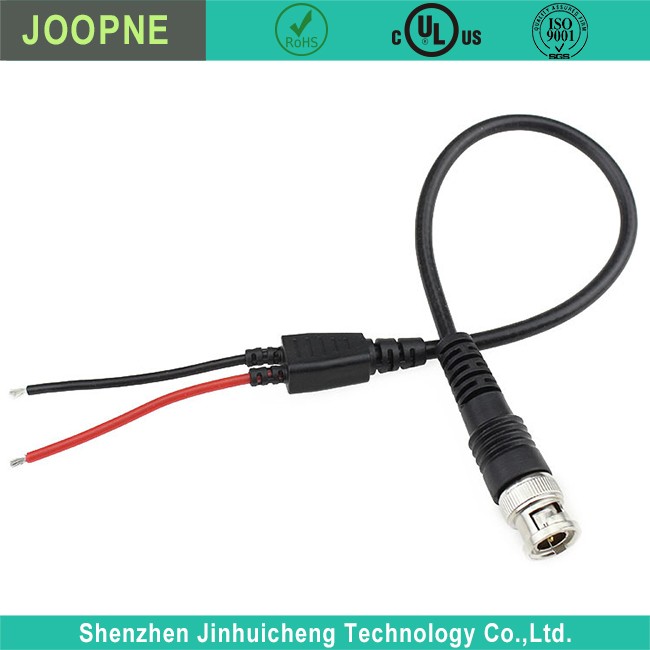
Coaxial Cables: Most traditional analog CCTV systems use coaxial cables to transmit video signals. RG59 or RG6 coaxial cables are common choices for transmitting video over long distances without signal loss.
Power Cables: In many setups, separate power cables are used to supply electricity to the cameras. These cables may be paired with the video cables (in the case of Siamese cables) or run separately.
Siamese Cables: Siamese cables combine both coaxial and power cables into a single jacket, allowing for easier installation and cable management.
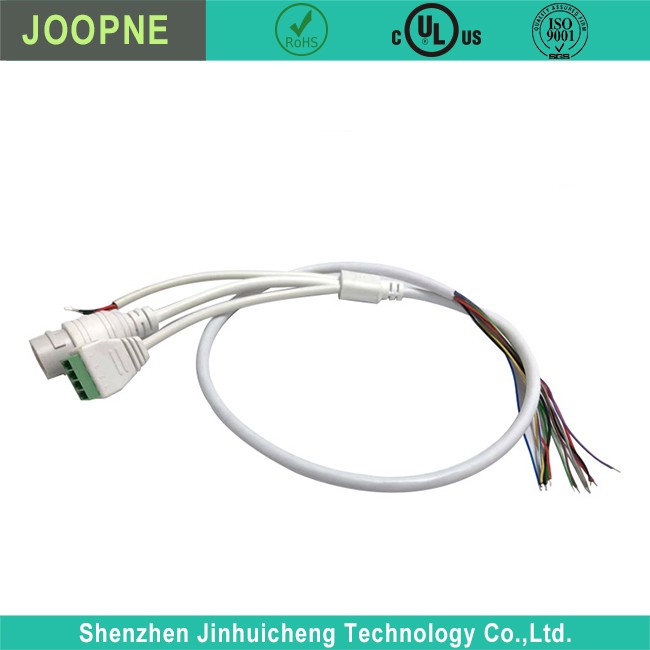
Twisted Pair Cables (UTP): For IP (Internet Protocol) cameras, which use network cables for data transmission, Category 5e or higher twisted pair cables (such as Cat 6 or Cat 6a) are used for transmitting video, power (PoE – Power over Ethernet), and data.
Connectors: BNC connectors are commonly used for coaxial cables, while RJ45 connectors are typical for network cables. Properly terminated connectors are essential for ensuring a reliable connection.
Length and Signal Quality: Consider the distance between cameras and the recording device/monitor to choose cables that can maintain signal quality over the required distance without degradation.
Weatherproofing and Durability: For outdoor surveillance, cables should be weatherproof and durable to withstand environmental elements like moisture, sunlight, and temperature fluctuations.
Compatibility and Standards: Ensure that the cables meet industry standards for signal transmission and power delivery, and are compatible with the cameras, DVRs/NVRs, and other surveillance equipment.
When setting up a video surveillance system, it’s crucial to plan the layout, consider cable lengths, types of cameras, and the environment where the cables will be installed. Selecting the appropriate cables based on the specific requirements of the surveillance system is important for optimal performance and reliability.
Video surveillance cables are available from security equipment suppliers, electronics retailers, or specialized vendors dealing with CCTV and surveillance systems. They often offer various cable types and lengths to suit different installation needs.
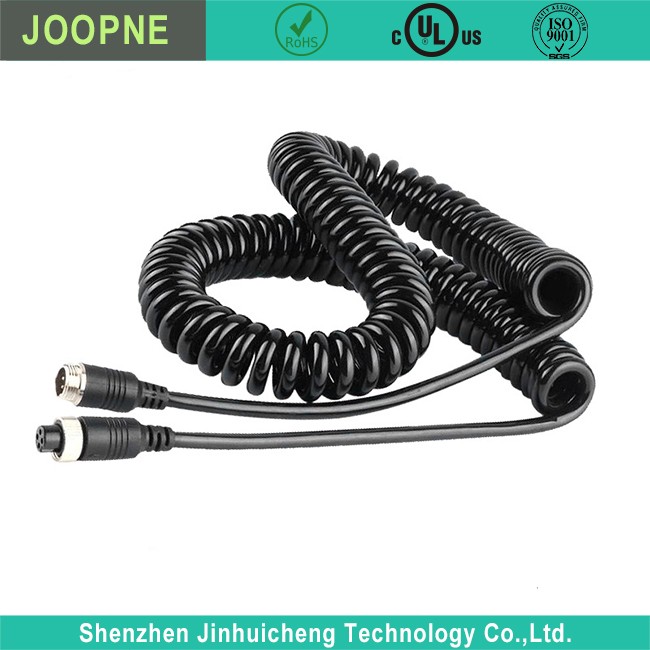
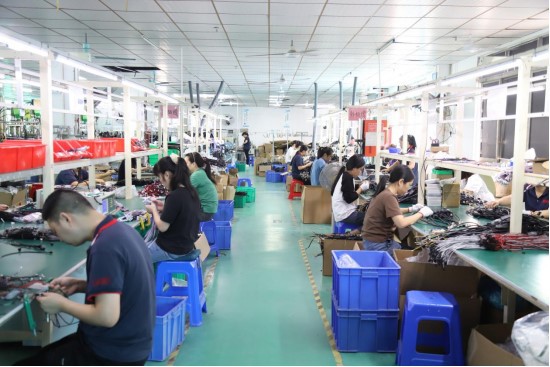
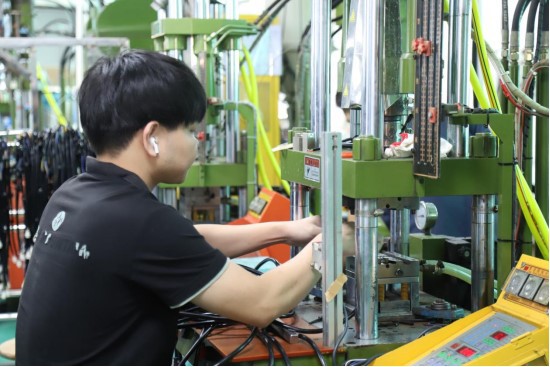
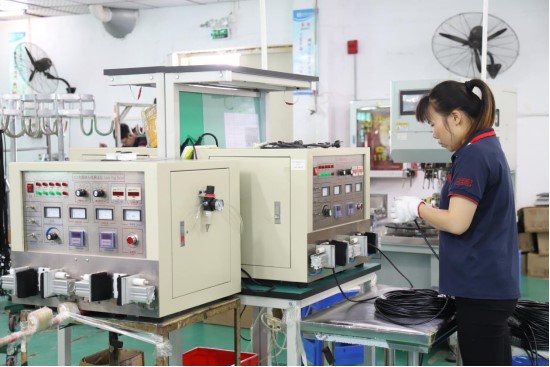
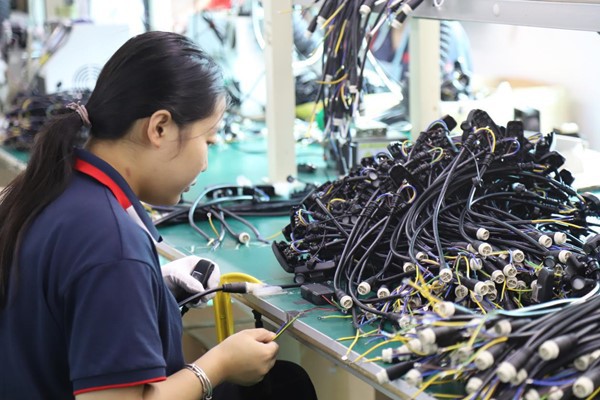
We do custom in various sizes, colors, lengths for Video surveillance cables.
Product Qualification
The cable comes in many different sizes to help you get the length you need. The cables are available in different lengths like 0.3m, 0.9m, 1.8m, 3m, 3.6m, 4.6m and 7.6m or others as your request.



Hot Tags: video surveillance cable, China video surveillance cable manufacturers, suppliers, factory, electrical harness assembly, ribbon power cable, moulding for wires, FFC FPC Cable, c13 eu, ffc 40 pin

Send Inquiry
