

What types of connectors are used with FFC Flat Cable?
Dec 25, 2025
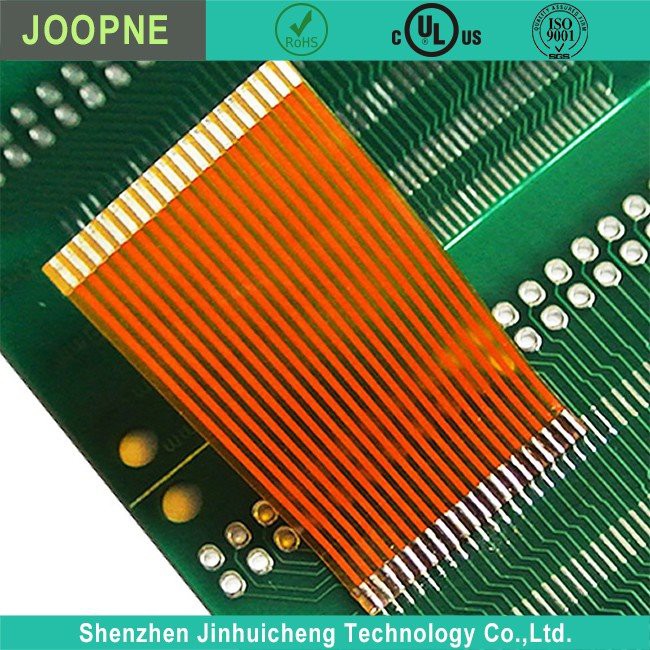
As a supplier of FFC Flat Cable, I’ve witnessed firsthand the diverse applications and critical role these cables play in modern electronics. FFC (Flexible Flat Cable) is a type of cable that consists of multiple flat conductors laminated between two layers of flexible insulation material. Its flexibility, thin profile, and ability to be customized make it an ideal choice for various electronic devices. In this blog, I’ll explore the different types of connectors used with FFC Flat Cable and their specific applications.
ZIF (Zero Insertion Force) Connectors
ZIF connectors are one of the most commonly used connectors for FFC Flat Cable. The key feature of ZIF connectors is that they allow the FFC cable to be inserted or removed with minimal force. This is achieved through a mechanism that, when opened, disengages the contact springs from the cable conductors, enabling easy insertion. Once the cable is in place, closing the connector activates the contact springs, establishing a reliable electrical connection.
The advantage of ZIF connectors lies in their ease of use, especially in high – density applications where multiple cables need to be connected. They reduce the risk of damage to the FFC cable during installation and removal, as there is no need to apply excessive force. These connectors are widely used in laptop computers, LCD monitors, and other consumer electronics. For example, in a laptop, ZIF connectors are used to connect the display panel to the motherboard, allowing for easy assembly and disassembly during manufacturing and repair processes.
Non – ZIF (Normal Insertion Force) Connectors
Non – ZIF connectors, as the name suggests, require a certain amount of force to insert the FFC cable. The contact springs in these connectors are designed to grip the cable conductors firmly when the cable is inserted. This type of connector is generally more compact and less expensive than ZIF connectors.
Non – ZIF connectors are suitable for applications where cost is a major concern and the frequency of cable insertion and removal is relatively low. They are commonly used in automotive electronics, industrial control systems, and some low – end consumer products. In automotive applications, non – ZIF connectors can be used to connect sensors and actuators, where the connection is typically made during the manufacturing process and is not expected to be frequently changed.
Board – to – Board FFC Connectors
Board – to – Board FFC connectors are specifically designed to connect two printed circuit boards (PCBs) using an FFC cable. These connectors come in various configurations, such as right – angle and straight – through designs, to accommodate different PCB layouts.
The advantage of using board – to – board FFC connectors is that they provide a flexible and space – saving solution for connecting PCBs. They can be used to create complex electronic systems where multiple PCBs need to be interconnected in a compact space. For instance, in a smartphone, board – to – board FFC connectors are used to connect the main PCB to the touchscreen controller board, the camera module board, and other peripheral boards.
USB FFC Cable Connectors
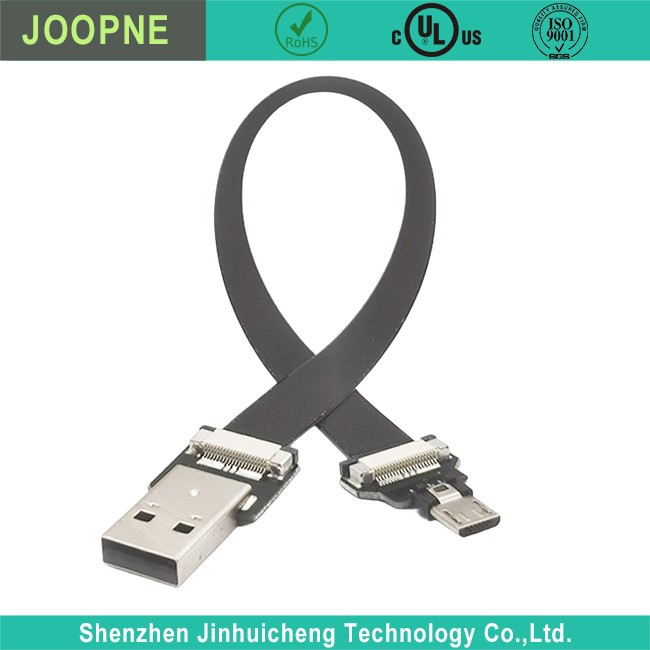
USB (Universal Serial Bus) is a widely used interface standard for connecting electronic devices. USB FFC Cable connectors are designed to provide a USB interface using an FFC cable. These connectors support different USB versions, such as USB 2.0, USB 3.0, and USB 3.1, offering high – speed data transfer capabilities.
USB FFC cable connectors are commonly used in portable devices, such as tablets, smartphones, and external hard drives. They allow for easy connection to other USB – enabled devices, such as computers and chargers. The flexibility of the FFC cable makes it easier to integrate the USB interface into small and compact devices.
Heat Resistant FFC Cable Connectors
In some applications, such as in high – temperature environments like automotive engine compartments or industrial ovens, Heat Resistant FFC Cable connectors are required. These connectors are designed to withstand high temperatures without losing their electrical and mechanical properties.
Heat resistant FFC cable connectors are made from special materials that can resist heat and prevent degradation. They are often used in applications where the FFC cable is exposed to elevated temperatures for extended periods. For example, in an automotive engine control unit, heat resistant FFC cable connectors are used to connect sensors and actuators that are located near the engine, where temperatures can be quite high.
Choosing the Right Connector for Your FFC Flat Cable
When choosing a connector for your FFC Flat Cable, several factors need to be considered. Firstly, the application requirements play a crucial role. If the cable needs to be frequently inserted and removed, a ZIF connector may be the best choice. On the other hand, if cost is a major concern and the connection is relatively permanent, a non – ZIF connector might be more suitable.
Secondly, the electrical requirements, such as the current carrying capacity, voltage rating, and data transfer rate, need to be considered. For high – speed data transfer applications, connectors that support the appropriate interface standard, such as USB FFC cable connectors, should be selected.
Finally, the environmental conditions, such as temperature, humidity, and vibration, also need to be taken into account. In high – temperature environments, heat resistant FFC cable connectors are essential to ensure the reliability of the connection.
Conclusion
In conclusion, there are various types of connectors used with FFC Flat Cable, each with its own unique features and applications. As a supplier of FFC Flat Cable, I understand the importance of providing the right connector solutions to meet the diverse needs of our customers. Whether you are in the consumer electronics, automotive, or industrial sectors, we can offer a wide range of FFC cables and connectors to suit your specific requirements.
If you are interested in purchasing FFC Flat Cable or need more information about the connectors, please feel free to contact us for a detailed discussion. We are committed to providing high – quality products and excellent customer service.
References
- "Handbook of Electronic Packaging Design and Engineering" by Richard C. Jaeger
- "Flexible Printed Circuits: Design, Materials, Fabrication" by Charles A. Harper
