
How to protect an LVDS cable from damage?
Jan 16, 2026
As a reputable LVDS cable supplier, I understand the importance of protecting these cables from damage to ensure their optimal performance and longevity. LVDS (Low-Voltage Differential Signaling) cables are widely used in various electronic devices, including laptops, monitors, and industrial equipment, to transmit high-speed data with low electromagnetic interference. However, they are also susceptible to damage from a variety of factors, such as physical stress, environmental conditions, and improper handling. In this blog post, I will share some practical tips on how to protect an LVDS cable from damage.
Understanding the Vulnerabilities of LVDS Cables
Before we delve into the protection methods, it’s essential to understand the common vulnerabilities of LVDS cables. These cables are typically made of thin copper wires enclosed in a flexible plastic sheath, which makes them relatively fragile. They can be easily damaged by bending, twisting, pulling, or crushing, and exposure to extreme temperatures, moisture, or chemicals can also degrade their performance over time.
Physical Protection
One of the most effective ways to protect an LVDS cable is to prevent physical damage. Here are some tips to follow:
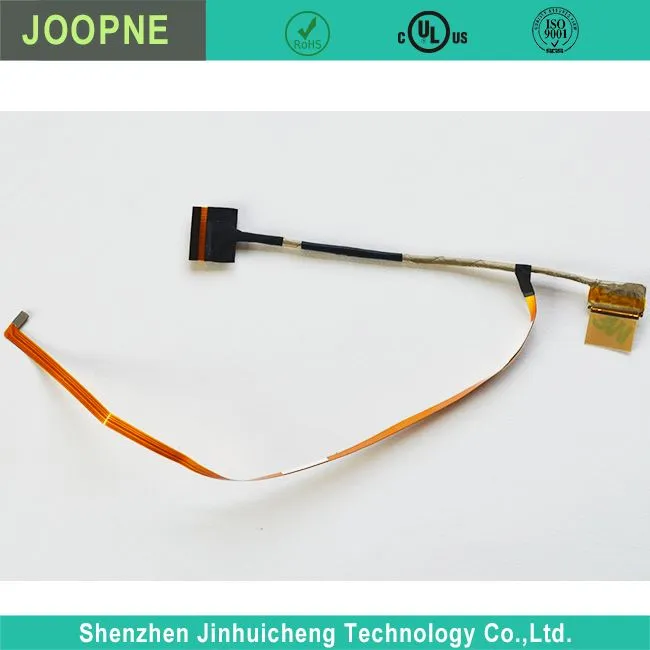
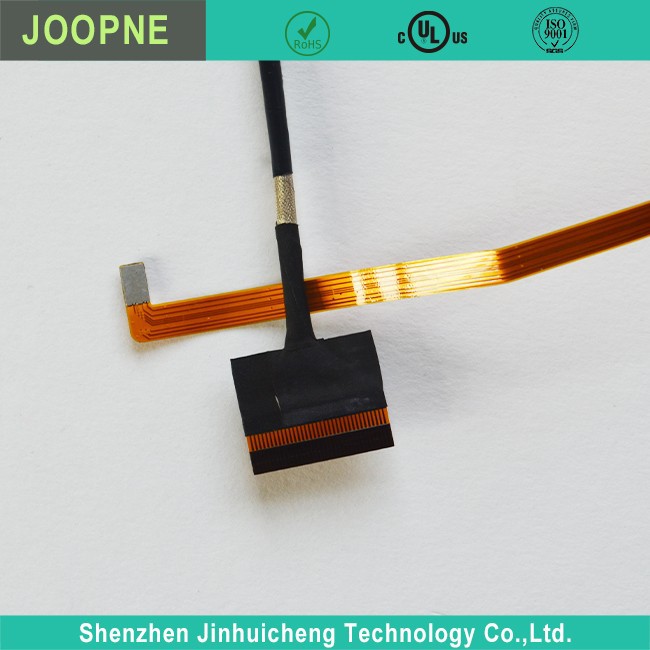
- Proper Installation: Ensure that the LVDS cable is installed correctly according to the manufacturer’s instructions. Avoid over-bending or kinking the cable during installation, as this can cause internal damage to the wires.
- Use Cable Management: Use cable ties, clips, or conduits to organize and secure the LVDS cable. This helps to prevent the cable from being accidentally pulled or snagged, reducing the risk of damage.
- Avoid Sharp Edges: When routing the LVDS cable, make sure it does not come into contact with sharp edges or corners. These can cut or puncture the cable sheath, exposing the internal wires and causing a short circuit.
- Handle with Care: When handling the LVDS cable, be gentle and avoid pulling or stretching it forcefully. This can cause the wires to break or become loose, leading to signal loss or interference.
Environmental Protection
The environment in which the LVDS cable operates can also have a significant impact on its lifespan. Here are some ways to protect the cable from environmental factors:
- Temperature Control: LVDS cables are designed to operate within a specific temperature range. Avoid exposing the cable to extreme temperatures, as this can cause the plastic sheath to become brittle or melt, damaging the internal wires.
- Moisture Prevention: Moisture can corrode the copper wires in the LVDS cable, leading to signal degradation or failure. To prevent moisture damage, ensure that the cable is installed in a dry environment and use moisture-resistant connectors if necessary.
- Chemical Resistance: Some chemicals can damage the plastic sheath of the LVDS cable, so it’s important to avoid exposing the cable to harsh chemicals or solvents. If the cable needs to be cleaned, use a mild detergent and a soft cloth.
Electrical Protection
Electrical interference can also affect the performance of an LVDS cable. Here are some ways to protect the cable from electrical damage:
- Use Shielding: LVDS cables are often shielded to reduce electromagnetic interference (EMI). Make sure the cable you choose has proper shielding and that the shielding is grounded correctly to prevent EMI from affecting the signal.
- Avoid Electrical Surges: Electrical surges can damage the LVDS cable and the connected devices. Use surge protectors to protect the cable from sudden spikes in voltage.
- Proper Grounding: Ensure that the LVDS cable and the connected devices are properly grounded to prevent electrical shocks and interference.
Regular Inspection and Maintenance
Regular inspection and maintenance can help to identify and prevent potential problems with the LVDS cable before they cause damage. Here are some tips for inspecting and maintaining the cable:
- Visual Inspection: Periodically inspect the LVDS cable for signs of damage, such as cuts, abrasions, or kinks. If any damage is detected, replace the cable immediately.
- Signal Testing: Use a cable tester or a diagnostic tool to test the signal quality of the LVDS cable. This can help to identify any signal degradation or interference issues.
- Cleaning: Clean the LVDS cable and the connectors regularly to remove dust, dirt, and other contaminants. This can help to maintain the signal quality and prevent corrosion.
Choosing the Right LVDS Cable
Finally, choosing the right LVDS cable is crucial for ensuring its protection and performance. As an LVDS cable supplier, we offer a wide range of high-quality cables, including the NP14G-S Laptop Screen Cable, 30 pin EDP cable, and LVDS FPC Screen Panel Test Cable. These cables are designed to meet the highest standards of quality and reliability, and they are available in various lengths and configurations to suit your specific needs.
In conclusion, protecting an LVDS cable from damage requires a combination of physical, environmental, and electrical protection measures, as well as regular inspection and maintenance. By following the tips outlined in this blog post, you can ensure that your LVDS cables operate at their optimal performance and last for a long time. If you have any questions or need further assistance with LVDS cable protection, please feel free to contact us. We are always ready to help you select the right cable for your application and provide you with the best solutions for your needs.
References
- Manufacturer’s guidelines for LVDS cable installation and maintenance.
- Technical literature on electrical and electromagnetic interference in LVDS systems.
- Industry standards for cable protection and performance.
