

How do I label a US power cord for easy identification?
Dec 25, 2025
Hey there! I’m a supplier of US power cords, and one of the things I’ve learned over the years is the importance of proper labeling. It might seem like a small detail, but trust me, it can make a huge difference in terms of efficiency, safety, and customer satisfaction. In this blog post, I’m gonna share some tips on how to label US power cords for easy identification.
Why Labeling Matters
First off, let’s talk about why labeling is so important. When you’re dealing with a large number of power cords, it can be really tough to tell them apart. Different cords might have different lengths, wattages, or plug types, and if you don’t label them correctly, you could end up using the wrong cord for the job. This not only wastes time but can also be a safety hazard. For example, using a cord with a lower wattage than required can cause overheating and potentially lead to a fire.
Labeling also makes it easier to organize your inventory. You can quickly find the cord you need, which saves you time and reduces the chances of misplacing or losing cords. And when it comes to customer service, clear labeling can help your customers identify the right cord for their needs, which can lead to fewer returns and happier customers.
What to Include on the Label
Now that we’ve established why labeling is important, let’s talk about what you should include on the label. Here are some key pieces of information that you should consider:
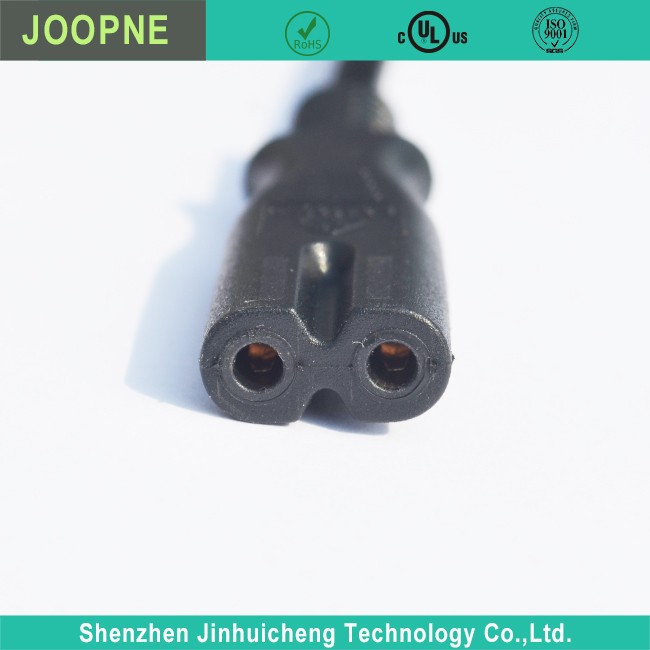
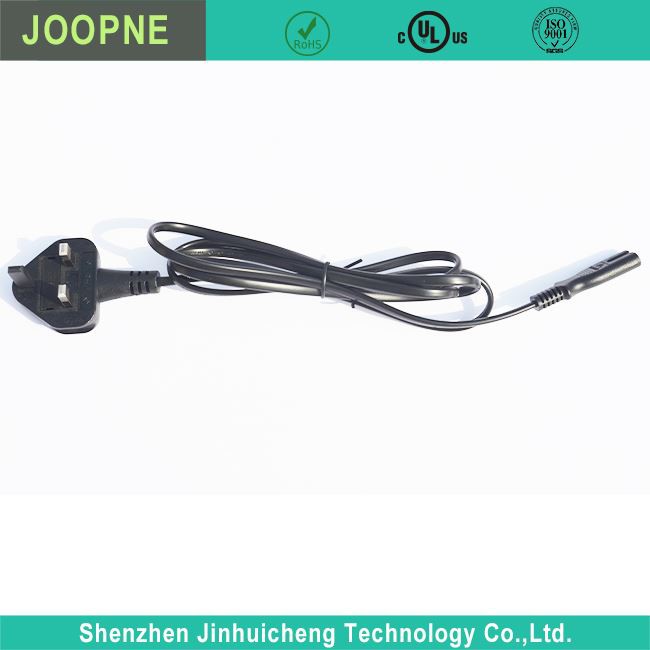
- Cord Type: Clearly state the type of power cord, such as a VH3.96 Power Cord, Two Prong Power Cable, or Italy Power Cord. This helps users quickly identify the cord they need.
- Length: Include the length of the cord in feet or meters. This is especially important if you offer cords in different lengths.
- Wattage: Specify the maximum wattage that the cord can handle. This ensures that users don’t overload the cord, which can be dangerous.
- Plug Type: Indicate the type of plug at each end of the cord, such as a standard US two-prong plug, a three-prong grounded plug, or a specialized plug for a specific device.
- Country of Origin: If applicable, mention the country where the cord was manufactured. This can be important for some customers who prefer products from certain countries.
- Safety Ratings: Include any relevant safety ratings or certifications, such as UL (Underwriters Laboratories) or ETL (Electrical Testing Laboratories). These ratings give users confidence that the cord meets certain safety standards.
Labeling Methods
There are several different methods you can use to label your power cords. Here are some popular options:
- Adhesive Labels: These are probably the most common type of label. You can print them using a label printer or buy pre-printed labels. Adhesive labels are easy to apply and can be customized with your logo and other information.
- Heat Shrink Labels: Heat shrink labels are made of a special material that shrinks when heated. You slide the label over the cord and then use a heat gun to shrink it into place. Heat shrink labels are durable and resistant to wear and tear.
- Cable Ties with Labels: Cable ties with built-in labels are another option. You can write or print the label information directly on the tie, and then secure it around the cord. This method is simple and cost-effective.
- Engraving or Laser Marking: For more permanent labeling, you can use engraving or laser marking. This involves using a machine to etch the label information directly onto the cord. Engraving and laser marking are durable and won’t fade or rub off over time.
Tips for Effective Labeling
Here are some additional tips to help you create effective labels for your US power cords:
- Use Clear and Readable Text: Make sure the text on your labels is easy to read, even from a distance. Use a font size and style that is clear and legible.
- Choose High-Quality Materials: The labels you use should be made of high-quality materials that are resistant to fading, smudging, and damage. This ensures that the labels will last as long as the cords themselves.
- Be Consistent: Use the same labeling format and style for all your power cords. This makes it easier for users to quickly identify the information they need.
- Test the Labels: Before you start labeling all your cords, test the labels on a few sample cords to make sure they adhere properly and are easy to read.
- Keep Records: Keep a record of the labels you use for each cord, including the label information and the date it was applied. This can be useful for tracking inventory and ensuring that the labels are up-to-date.
Conclusion
Labeling your US power cords for easy identification is an important step that can improve efficiency, safety, and customer satisfaction. By including the right information on your labels and using a reliable labeling method, you can make it easier for users to find the right cord for their needs. And if you’re in the market for high-quality US power cords, don’t hesitate to reach out to us for a quote. We’re here to help you find the perfect power cords for your business.
If you have any questions or need more information about labeling power cords, feel free to leave a comment below. I’d love to hear from you!
References
- Electrical Safety Foundation International. (n.d.). Power Cord Safety. Retrieved from [Website URL]
- Underwriters Laboratories. (n.d.). Power Cord Standards and Certifications. Retrieved from [Website URL]
