

What are the roles of RF cables in wireless communication systems?
Dec 25, 2025
Hey there! As a supplier of RF cables, I’ve seen firsthand the crucial roles these cables play in wireless communication systems. In this blog, I’ll break down what makes RF cables so important and how they fit into the big picture of wireless tech.
First off, let’s talk about what RF stands for – Radio Frequency. RF cables are designed to carry high-frequency electrical signals, typically in the radio frequency range. These frequencies can be anything from a few kilohertz (kHz) to several gigahertz (GHz). In wireless communication systems, RF cables act as the bridge between different components, allowing the smooth transfer of signals.
One of the primary roles of RF cables is signal transmission. Wireless communication systems rely on sending and receiving signals to function. Whether it’s your smartphone connecting to a Wi-Fi network, a satellite communicating with a ground station, or a radio station broadcasting its signal, RF cables are there to ensure that the signals get from point A to point B without significant loss or interference.
For example, in a cellular network, base stations are used to communicate with mobile devices. RF cables connect the antennas on these base stations to the transmitters and receivers inside the station. These cables need to be able to handle high-power signals efficiently. If the cables have high signal loss, the strength of the signal reaching the mobile devices will be weak, resulting in poor call quality, slow data speeds, or even dropped connections.
Another important role of RF cables is impedance matching. Impedance is a measure of how a circuit resists the flow of an alternating current. In wireless communication systems, it’s crucial that the impedance of the source (like a transmitter), the load (like an antenna), and the RF cable itself are all matched. When the impedance is not matched, a portion of the signal is reflected back, causing interference and reducing the overall efficiency of the system.
RF cables are designed with specific impedance values, such as 50 ohms or 75 ohms, to match the requirements of different components in the system. For instance, most RF cables used in radio and television broadcasting have an impedance of 75 ohms, while cables used in cellular base stations often have an impedance of 50 ohms. By ensuring proper impedance matching, RF cables help to maximize the power transfer and minimize signal reflections.
RF cables also play a vital role in reducing electromagnetic interference (EMI). In today’s world, there are countless electronic devices and wireless signals all around us. These can create a lot of electromagnetic noise, which can interfere with the operation of wireless communication systems. RF cables are shielded to prevent external electromagnetic fields from affecting the signals inside the cable.
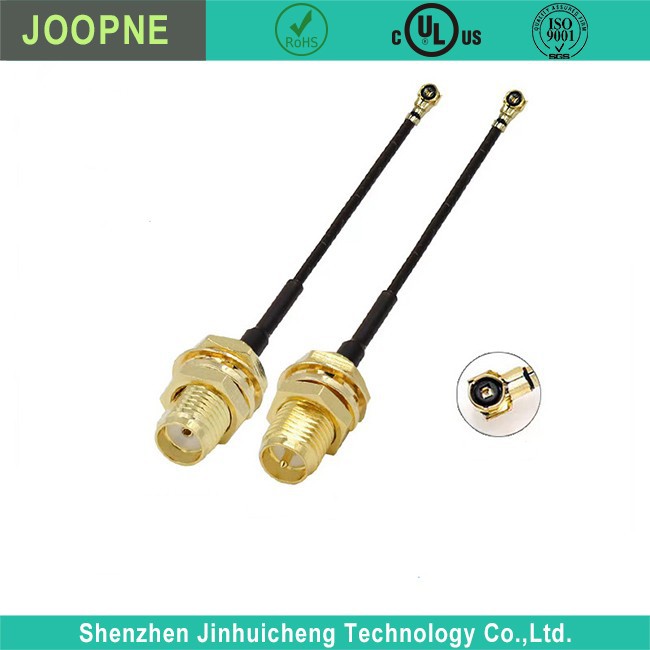
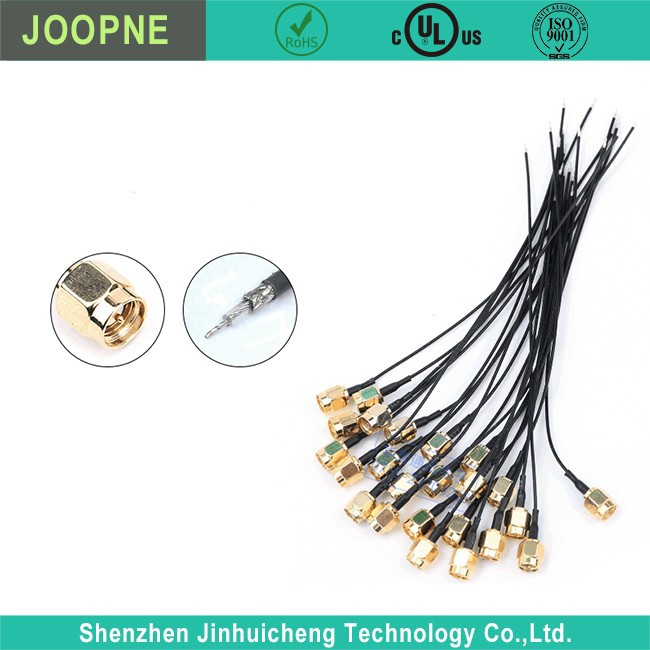
The shielding in RF cables is typically made of a conductive material, such as copper or aluminum. This shielding acts as a barrier, blocking out unwanted electromagnetic signals. For example, in a video surveillance system, Video Surveillance Cable is used to transmit high-quality video signals. Without proper shielding, the video feed could be corrupted by interference from other electronic devices or nearby wireless signals.
In addition to video surveillance, there are other applications where RF cables are essential. Other Surveillance Cable is used in various security and monitoring systems. These cables need to be reliable and able to transmit signals accurately over long distances. RF cables are also used in radar systems, which are used for navigation, weather forecasting, and military applications.
When it comes to choosing the right RF cable for a wireless communication system, there are several factors to consider. The frequency range of the signal is one of the most important factors. Different cables are designed to work best within specific frequency ranges. For example, some cables are optimized for low-frequency signals, while others are better suited for high-frequency applications.
The length of the cable is also crucial. Longer cables generally have higher signal loss, so it’s important to choose a cable with low attenuation (signal loss) if the distance between components is long. The environment in which the cable will be used is another factor. Cables used outdoors or in harsh environments need to be weatherproof and resistant to damage from chemicals, UV rays, and mechanical stress.
As a supplier of RF Cable, I understand the importance of providing high-quality cables that meet the specific needs of our customers. We offer a wide range of RF cables, including coaxial cables, flexible cables, and semi-rigid cables. Our cables are designed and manufactured to the highest standards, ensuring reliable performance and long service life.
If you’re in the market for RF cables for your wireless communication system, I encourage you to get in touch with us. We have a team of experts who can help you choose the right cables for your application and provide you with all the technical support you need. Whether you’re working on a small-scale project or a large industrial installation, we can offer you the best solutions at competitive prices.
In conclusion, RF cables are an essential component of wireless communication systems. They play a crucial role in signal transmission, impedance matching, and reducing electromagnetic interference. By choosing the right RF cables and ensuring proper installation and maintenance, you can improve the performance and reliability of your wireless communication system. So, don’t hesitate to reach out to us if you have any questions or need to make a purchase. We’re here to help you get the most out of your wireless technology.
References
- "RF and Microwave Circuit Design for Wireless Applications" by Chris Bowick
- "Wireless Communication Systems: A Unified Approach" by Andreas F. Molisch
