

What is the resistance of the wires in an EU power cord?
Dec 08, 2025
Hey there! As a supplier of EU power cords, I often get asked about the resistance of the wires in these cords. It’s a crucial topic, especially when it comes to ensuring the safety and efficiency of electrical devices. So, let’s dive right in and explore what the resistance of the wires in an EU power cord is all about.
First off, what exactly is electrical resistance? In simple terms, resistance is the measure of how much a material opposes the flow of electric current. Think of it like traffic on a road. If the road is narrow and full of obstacles, it’s going to slow down the cars. Similarly, if a wire has high resistance, it’ll impede the flow of electrons, which can lead to a bunch of problems.
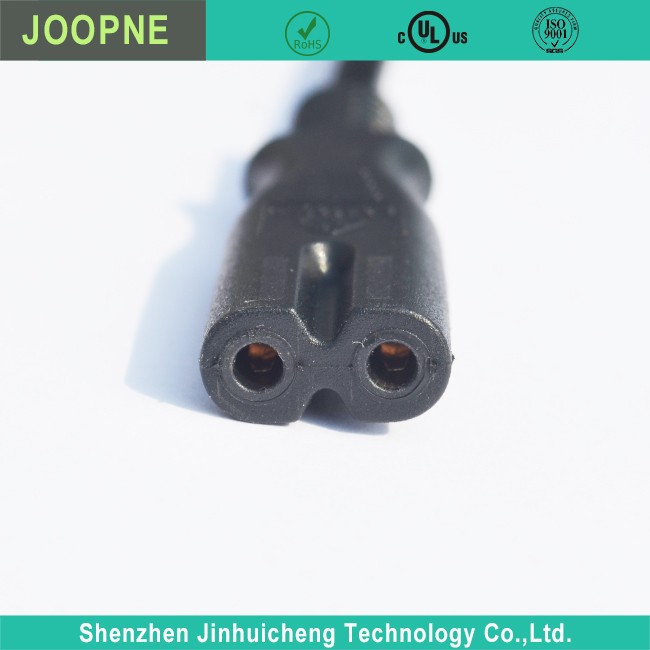
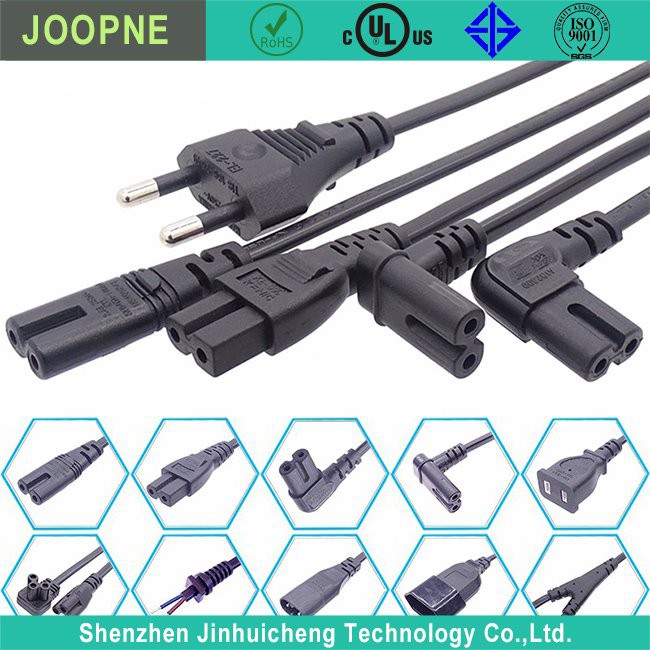
Now, when it comes to EU power cords, the resistance of the wires depends on several factors. One of the most important factors is the material of the wire. Most EU power cords use copper or aluminum as the conducting material. Copper is a popular choice because it has low resistance, which means it allows electricity to flow through it easily. Aluminum, on the other hand, has a slightly higher resistance than copper but is lighter and cheaper.
The cross-sectional area of the wire also plays a significant role in determining its resistance. A thicker wire has a larger cross-sectional area, which means there’s more space for the electrons to flow through. This results in lower resistance. So, if you’re looking for a power cord with low resistance, you might want to go for one with a thicker wire.
Another factor that affects the resistance of the wire is its length. The longer the wire, the higher its resistance. This is because the electrons have to travel a greater distance, and they’re more likely to encounter obstacles along the way. So, if you need a power cord for a long-distance connection, you might want to consider using a thicker wire to compensate for the increased resistance.
Temperature is yet another factor that can impact the resistance of the wire. As the temperature of the wire increases, its resistance also increases. This is because the atoms in the wire start to vibrate more vigorously, which makes it harder for the electrons to flow through. So, if you’re using a power cord in a hot environment, you might want to make sure it’s rated for high temperatures to prevent overheating.
Now, let’s talk about why the resistance of the wires in an EU power cord is so important. One of the main reasons is safety. If the resistance of the wire is too high, it can cause the wire to heat up, which can lead to a fire hazard. This is especially true if the power cord is overloaded or if it’s used in a poorly ventilated area. So, it’s crucial to choose a power cord with low resistance to ensure the safety of your electrical devices and your home.
In addition to safety, the resistance of the wire also affects the efficiency of the electrical device. If the resistance of the wire is too high, it can cause a voltage drop, which means that the device won’t receive the full amount of power it needs to operate properly. This can result in reduced performance and increased energy consumption. So, by choosing a power cord with low resistance, you can improve the efficiency of your electrical devices and save money on your energy bills.
As a supplier of EU power cords, we understand the importance of providing high-quality products with low resistance. That’s why we only use the best materials and manufacturing processes to ensure that our power cords meet the highest standards of safety and performance. Whether you’re looking for a Two Prong Power Cable, a Thailand Power Cord, or a Brazil Power Cord, we’ve got you covered.
If you’re in the market for EU power cords or have any questions about the resistance of the wires, don’t hesitate to reach out to us. We’re here to help you find the right power cord for your needs and ensure that you get the best possible performance and safety. Contact us today to start the procurement discussion and let’s work together to meet your power cord requirements.
References
- Physics textbooks on electrical resistance and conductivity
- Industry standards and guidelines for power cord manufacturing
