

What is the radiation resistance of molded cables?
Dec 08, 2025
Radiation resistance is a critical aspect when it comes to molded cables, especially in today’s technology – driven world where electromagnetic interference (EMI) and radio – frequency interference (RFI) can significantly impact the performance of electronic devices. As a molded cable supplier, I have witnessed firsthand the importance of understanding and optimizing the radiation resistance of our products.
Understanding Radiation Resistance in Molded Cables
Radiation resistance in molded cables refers to the ability of the cable to resist the emission and reception of electromagnetic radiation. When an electrical current flows through a cable, it generates an electromagnetic field around it. In an ideal scenario, this field should be confined within the cable and its immediate vicinity. However, if the cable has poor radiation resistance, the electromagnetic field can radiate outwards, causing interference with other electronic components in the vicinity. Similarly, the cable can also pick up external electromagnetic radiation, which can corrupt the signals being transmitted through it.
There are several factors that contribute to the radiation resistance of molded cables. One of the primary factors is the cable’s construction. The materials used in the cable, such as the conductor, insulation, and shielding, play a crucial role. For example, high – quality conductors with low resistance can reduce the amount of electromagnetic radiation generated by the cable. Insulation materials with good dielectric properties can help contain the electromagnetic field within the cable.
Shielding is another important aspect. A well – designed shield can act as a barrier, preventing the electromagnetic field from radiating outwards and protecting the cable from external interference. There are different types of shielding available, including foil shielding, braided shielding, and combination shielding. Foil shielding is thin and flexible, providing good high – frequency shielding. Braided shielding, on the other hand, offers better mechanical protection and low – frequency shielding. Combination shielding combines the advantages of both foil and braided shielding, providing comprehensive protection across a wide range of frequencies.
Impact of Poor Radiation Resistance
When a molded cable has poor radiation resistance, it can lead to a variety of problems. In electronic devices, electromagnetic interference can cause malfunctions, data errors, and reduced performance. For example, in a communication system, interference can lead to signal degradation, resulting in poor call quality or data transfer rates. In industrial applications, EMI can disrupt the operation of control systems, leading to production delays and potential safety hazards.
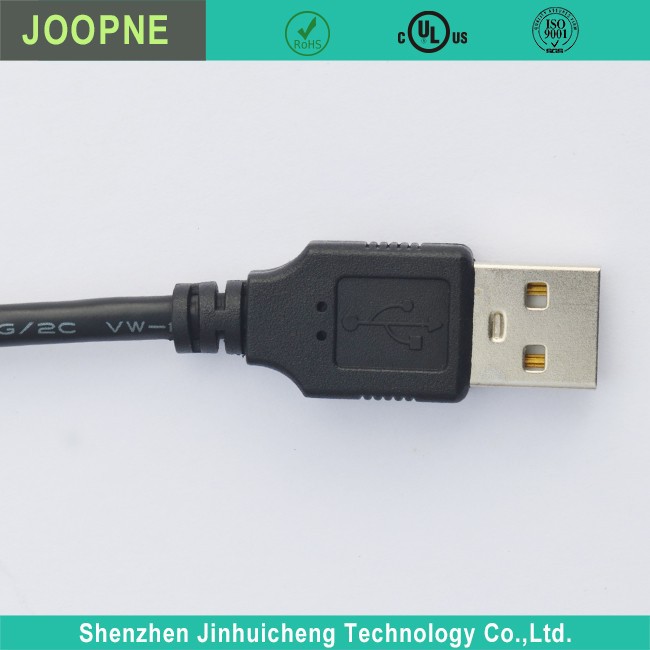
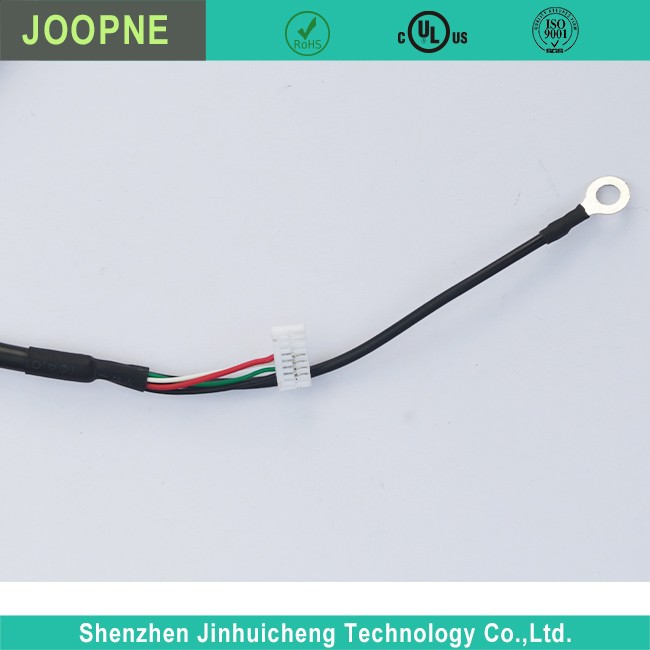
In addition to affecting the performance of electronic devices, poor radiation resistance can also lead to regulatory compliance issues. Many countries and regions have strict regulations regarding electromagnetic emissions from electronic products. If a device using a molded cable with poor radiation resistance fails to meet these regulations, it may not be allowed to be sold in the market.
Our Approach as a Molded Cable Supplier
As a molded cable supplier, we take several steps to ensure that our cables have high radiation resistance. First, we carefully select the materials used in our cables. We source high – quality conductors and insulation materials from trusted suppliers. Our conductors are made of pure copper or other high – conductivity metals, which help reduce the generation of electromagnetic radiation. The insulation materials we use have excellent dielectric properties, which help contain the electromagnetic field within the cable.
We also pay close attention to the shielding design of our cables. Our engineering team conducts extensive research and development to optimize the shielding structure. We use a combination of foil and braided shielding in many of our cables to provide comprehensive protection across a wide range of frequencies. Before mass – producing a new cable design, we conduct rigorous testing to ensure that it meets the required radiation resistance standards.
We offer a wide range of molded cables with different specifications to meet the diverse needs of our customers. For example, our 8P Cable is designed for high – speed data transfer applications. It has a well – designed shielding structure that provides excellent radiation resistance, ensuring reliable data transmission even in environments with high levels of electromagnetic interference.
Our Power Inside Extension Cable For Appliance is another product that emphasizes radiation resistance. This cable is used to power various household and industrial appliances. By having high radiation resistance, it not only ensures the safe and stable operation of the appliances but also reduces the risk of interference with other electronic devices in the vicinity.
The Molex Cable Assembly is also a popular choice among our customers. It is widely used in electronic devices such as computers, servers, and communication equipment. Our Molex cable assembly is engineered to have excellent radiation resistance, which helps maintain the integrity of the signals being transmitted and received by these devices.
Testing and Certification
To ensure the quality and radiation resistance of our molded cables, we have a state – of – the – art testing facility. We conduct a series of tests, including electromagnetic compatibility (EMC) tests, to measure the radiation emissions and susceptibility of our cables. These tests are carried out in accordance with international standards such as CISPR (International Special Committee on Radio Interference) and FCC (Federal Communications Commission) regulations.
Once a cable passes our internal testing, we can also obtain third – party certifications. These certifications are recognized globally and provide our customers with confidence in the quality and performance of our cables.
Conclusion
Radiation resistance is a vital characteristic of molded cables. It not only affects the performance and reliability of electronic devices but also has implications for regulatory compliance. As a molded cable supplier, we are committed to providing our customers with high – quality cables that have excellent radiation resistance. Our focus on material selection, shielding design, and rigorous testing ensures that our cables meet the highest standards.
If you are in the market for molded cables with high radiation resistance, we invite you to contact us for procurement discussions. We can work with you to understand your specific requirements and provide you with the most suitable cable solutions.
References
- "Electromagnetic Compatibility Engineering" by Henry W. Ott
- "Cable Design Handbook" by Ronald H. Carter
