

Can I splice a solar cable?
Dec 09, 2025
Hey there! As a solar cable supplier, I often get asked, "Can I splice a solar cable?" It’s a question that comes up quite a bit, and it’s an important one to understand, especially if you’re into solar power systems. So, let’s dive right in and explore this topic.
First off, what are solar cables? Well, solar cables are specifically designed to handle the unique conditions in solar power setups. They’re built to withstand harsh environmental factors like UV radiation, extreme temperatures, and moisture. These cables are crucial for transferring the electricity generated by solar panels to inverters, batteries, or other components in the system. We offer a range of solar cables, such as DC Solar Cable, 6mm Solar Cable, and MC4 Solar Cable, each with its own features and uses.
Now, back to the main question: Can you splice a solar cable? The short answer is yes, you can splice a solar cable, but it’s not as simple as just cutting and joining two pieces together. There are several factors to consider before you decide to splice.
One of the biggest concerns with splicing solar cables is safety. Solar cables carry high DC voltages, and any improper splicing can lead to electrical hazards, such as short circuits or fires. You need to make sure that the splice is done correctly to maintain the integrity of the cable’s insulation and electrical conductivity.
Another factor is the performance of the cable. A poorly done splice can increase the resistance in the cable, which means that some of the electricity generated by the solar panels will be lost as heat. This can reduce the overall efficiency of your solar power system. So, if you’re going to splice a cable, you need to do it in a way that minimizes resistance.
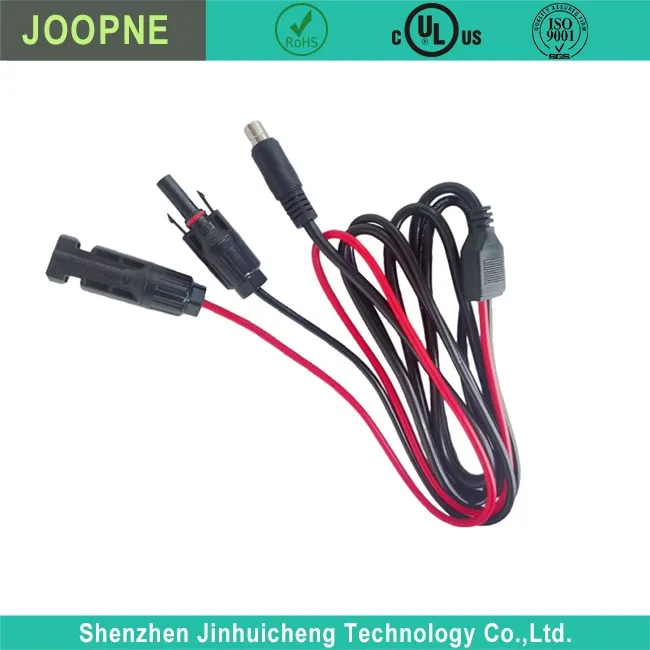

Let’s talk about the proper way to splice a solar cable. First, you’ll need the right tools and materials. You’ll need a good pair of cable cutters, a wire stripper, and appropriate connectors. The connectors are crucial because they need to be able to handle the high DC voltages and currents in the solar cable. Make sure to choose connectors that are rated for solar applications.
When you’re ready to start splicing, you should first cut the cable cleanly at the point where you want to make the splice. Then, use the wire stripper to remove the insulation from the ends of the cables. Be careful not to damage the wires inside. Once the wires are exposed, you can connect them using the connectors. Make sure the connection is tight and secure.
After making the connection, you need to insulate the splice properly. You can use heat shrink tubing or electrical tape to cover the exposed wires. This will help protect the splice from moisture, UV radiation, and other environmental factors.
It’s also important to note that not all solar cables are created equal. Some cables are designed to be more easily spliced than others. For example, MC4 Solar Cable has a specific connector system that is relatively easy to work with. However, other cables may require more specialized techniques.
If you’re not confident in your ability to splice a solar cable correctly, it’s a good idea to hire a professional. A professional electrician or solar installer will have the experience and knowledge to do the job safely and effectively. They’ll also be able to ensure that the splice meets all the relevant safety standards.
Now, let’s consider some alternatives to splicing. In some cases, it may be better to replace the entire cable rather than splicing it. If the cable is damaged over a large area or if it’s an older cable that may have other issues, replacing it could be a more cost – effective and reliable solution.
Another alternative is to use pre – made extension cables. These cables are designed to be easily connected to your existing solar cables without the need for splicing. They’re often available in different lengths and configurations, so you can find one that suits your needs.
In conclusion, while it is possible to splice a solar cable, it’s a task that should be approached with caution. You need to consider the safety, performance, and practicality of splicing before you make a decision. If you do decide to splice a cable, make sure you do it correctly or hire a professional.
If you’re in the market for solar cables or have any questions about splicing or other aspects of solar cables, feel free to reach out to us. We’re here to help you find the right solutions for your solar power system. Whether you need DC Solar Cable, 6mm Solar Cable, or MC4 Solar Cable, we’ve got you covered. Contact us today to start a discussion about your solar cable needs.
References:
- Solar Power System Installation Guide
- Electrical Safety Standards for Solar Cables
