

What should I do if my power cord is damaged?
Dec 08, 2025
A damaged power cord can be a real headache, not to mention a safety hazard. As a power cord supplier, I’ve seen firsthand the various issues that can arise from a faulty power cord. In this blog post, I’ll share some practical steps you can take if you find yourself dealing with a damaged power cord.
Step 1: Identify the Damage
The first thing you need to do is carefully examine the power cord to determine the extent and nature of the damage. Look for visible signs such as frayed wires, cuts, burns, or exposed insulation. Pay close attention to the areas near the plug, the connector at the device end, and any bends or kinks in the cord.
If the damage is minor, like a small nick in the insulation that hasn’t exposed the wires, it might be less urgent but still requires attention. However, if you see exposed wires, this is a serious safety concern as it can lead to electrical shocks, short circuits, or even fires.
Step 2: Unplug the Cord Immediately
Once you’ve identified the damage, the next crucial step is to unplug the power cord from the electrical outlet and the device. This is a safety measure to prevent any potential electrical accidents. Even if the damage seems minor, it’s better to be safe than sorry. Remember, electricity can be dangerous, and taking this simple step can protect you and your property.
Step 3: Assess the Repairability
After unplugging the cord, you need to decide whether the power cord can be repaired or if it needs to be replaced. Minor damage, such as a small tear in the insulation, can sometimes be repaired using electrical tape. However, it’s important to note that this is only a temporary fix and may not be suitable for all types of damage.
If the wires are frayed, cut, or burned, it’s generally not recommended to attempt a repair. These types of damage can compromise the integrity of the cord and pose a significant safety risk. In such cases, it’s best to replace the power cord with a new one.
Step 4: Repairing Minor Damage
If you’ve determined that the damage is minor and you’re confident in your ability to make a repair, here’s how you can do it:
- Gather the necessary tools: You’ll need a pair of wire cutters, electrical tape, and possibly a heat gun if you’re using heat-shrink tubing.
- Prepare the damaged area: Use the wire cutters to trim any loose or frayed wires. Make sure the ends are clean and straight.
- Apply electrical tape: Wrap the damaged area tightly with electrical tape, making sure to cover the exposed wires completely. Start a few inches above the damage and wrap down, overlapping the tape by about half its width. Continue wrapping until you’ve covered the damaged area and a few inches below it.
- Inspect the repair: Once you’ve finished wrapping the tape, carefully inspect the repair to make sure there are no gaps or exposed wires. If you’re using heat-shrink tubing, use a heat gun to shrink the tubing around the damaged area.
It’s important to note that any repair should be done in accordance with electrical safety standards. If you’re unsure about your ability to make a safe repair, it’s best to consult a professional electrician.
Step 5: Replacing the Power Cord
If the damage is beyond repair or you’re not comfortable making a repair, the best option is to replace the power cord. Here’s how you can do it:

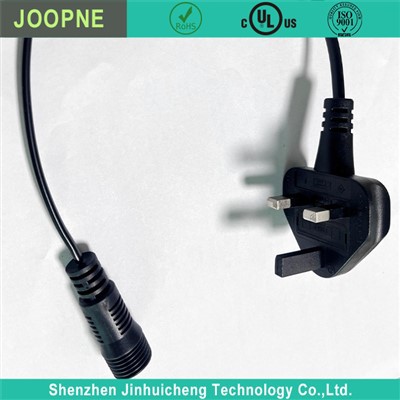
- Determine the correct replacement: You’ll need to find a power cord that is compatible with your device. Check the device’s user manual or look for the specifications on the device itself. Pay attention to the voltage, amperage, and plug type.
- Purchase a new power cord: You can buy a new power cord from a hardware store, electronics store, or online. As a power cord supplier, I recommend looking for a high-quality power cord that meets safety standards. For example, you might consider a Fused Powercord, which offers additional protection against electrical overloads.
- Install the new power cord: Once you’ve purchased the new power cord, carefully remove the old one from the device. Make sure to follow the manufacturer’s instructions for removing and installing the power cord. Connect the new power cord to the device and plug it into the electrical outlet.
Step 6: Preventing Future Damage
To avoid dealing with a damaged power cord in the future, here are some tips:
- Handle the cord properly: Avoid pulling, yanking, or twisting the power cord. When unplugging the cord, hold the plug firmly and pull it straight out from the outlet.
- Keep the cord away from heat and moisture: Excessive heat and moisture can damage the insulation of the power cord. Avoid placing the cord near heaters, radiators, or in damp areas.
- Use cable management solutions: Use cable ties, clips, or cable organizers to keep the power cord neat and organized. This can prevent the cord from getting tangled or damaged.
- Inspect the cord regularly: Periodically check the power cord for any signs of damage, such as fraying, cuts, or burns. If you notice any damage, take action immediately.
Conclusion
Dealing with a damaged power cord can be a stressful situation, but by following these steps, you can ensure your safety and get your device up and running again. Remember, safety should always be your top priority. If you’re unsure about how to handle a damaged power cord, don’t hesitate to consult a professional.
As a power cord supplier, I’m committed to providing high-quality power cords that meet the highest safety standards. If you’re in the market for a new power cord or have any questions about power cords, I’d be happy to help. Feel free to reach out to me to discuss your specific needs and start a procurement negotiation. I look forward to working with you to find the perfect power cord solution for your devices.
References
- Electrical Safety Foundation International. (n.d.). Electrical Cord Safety. Retrieved from [Website URL]
- National Fire Protection Association. (n.d.). Electrical Fires. Retrieved from [Website URL]
