
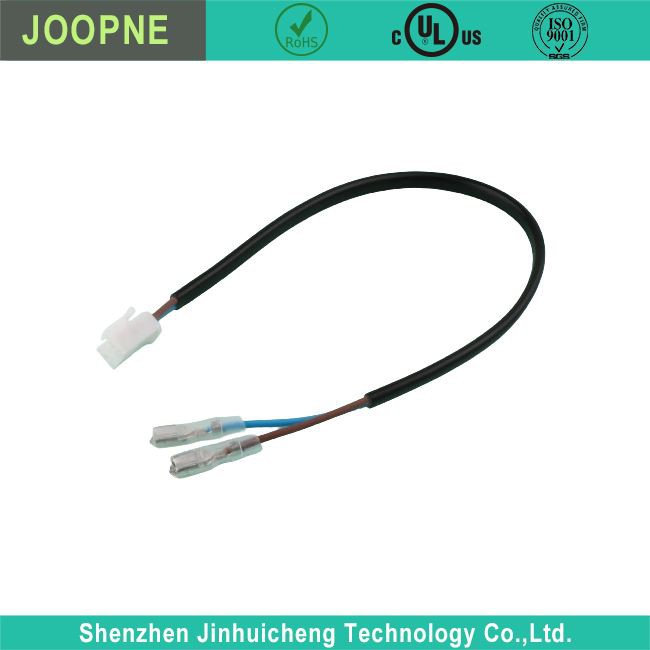

Power Inside Extension Cable For Appliance
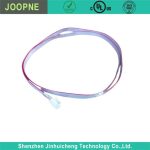
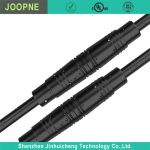
These extension cables are intended to provide additional length for reaching power outlets and are equipped to handle the power requirements of various household appliances. This cable is mainly used on cookers,connect the plug in and control board to offer power.
Product Introduction
Power Inside Extension Cable for Appliances, This cable is primarily used by appliance manufacturers for large-volume applications; however, some repair centers or stores may also need it.
Below are the details for connecting the cable with the plug and board:
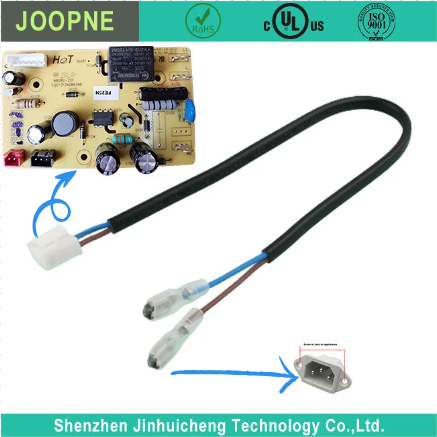
This internal cable has the same copper wire diameter as the external power cord to prevent overload, which could damage the cable or board.
If you have any questions regarding custom cables for your project, please contact us.
Can you use an outdoor extension cord inside?
Yes, you can use an outdoor extension cord indoors, but there are a few things to consider. Outdoor extension cords are designed to withstand harsh conditions, such as moisture, UV exposure, and temperature variations. When using an outdoor extension cord indoors, ensure it is in good condition and free from damage. Additionally, outdoor extension cords may have a thicker gauge wire and insulation, which can make them less flexible and more cumbersome for indoor use. Be mindful of tripping hazards when using them indoors.
If you need further assistance or have any other questions, feel free to ask!
What is the difference between outdoor and indoor extension cords?
The main differences between outdoor and indoor extension cords are in their design and construction, tailored for specific environmental conditions. Key differences include:
- Insulation and Weather Resistance: Outdoor extension cords are built to endure harsh conditions like moisture, UV exposure, and temperature changes. They usually have thicker insulation and are made from materials resistant to outdoor elements.
- Wire Gauge: Outdoor extension cords often have a heavier gauge to handle higher loads and cover longer distances.
- Flexibility and Handling: Indoor cords are typically more flexible and easier to handle, making them suitable for indoor spaces. Outdoor cords may be less flexible due to their thicker insulation.
- Safety Ratings: Outdoor extension cords are generally rated for both indoor and outdoor use, while indoor cords are typically rated for indoor use only.
- Length and Color: Outdoor cords come in longer lengths and may be offered in colors that blend with outdoor environments, like green or black.
When choosing an extension cord, it’s important to select one suited to the specific application and environment.
Why can’t you use indoor extension cords outside?
Using indoor extension cords outdoors poses safety risks due to the following factors:
- Weather Resistance: Indoor cords aren’t designed to withstand outdoor conditions like moisture, UV exposure, and temperature changes. Using indoor cords outside can lead to damage, deterioration, and electrical hazards.
- Insulation: Indoor cords may have insufficient insulation for outdoor use, making them vulnerable to moisture, which increases the risk of electrical shock and short circuits.
- Wire Gauge: Outdoor applications usually require a heavier gauge for higher loads and longer distances. Indoor cords may not have the appropriate gauge for these needs, risking overheating and fire hazards.
- Safety Ratings: Indoor cords lack the necessary certifications for outdoor environments.
To ensure safety, always use extension cords rated for outdoor use when powering devices outdoors.
How many watts can an indoor extension cord handle?
The maximum wattage an indoor extension cord can handle depends on the wire gauge, cord length, and the electrical requirements of connected devices. Using a cord not rated for the intended load can lead to overheating and fire hazards.
Here are some general maximum wattage ratings by wire gauge:
- 16-gauge wire: Up to 1,375 watts
- 14-gauge wire: Up to 1,875 watts
- 12-gauge wire: Up to 2,500 watts
These ratings are approximate and may vary based on cord length and environmental factors. Always check the manufacturer’s specifications for the specific cord in use. For higher wattage needs, use shorter, thicker gauge cords to minimize overheating risks.
Can I use a 110V extension cord with 220V?
No, it is not safe to use a 110V extension cord with a 220V power source. Using a cord rated below the source voltage can lead to serious hazards, including electrical fires, equipment damage, and electric shock.
Always match the voltage rating of the extension cord to the power source. Using a cord with a lower voltage rating can cause it to overheat and potentially catch fire, while also risking damage to connected devices.
To ensure safety, use an extension cord rated for the specific voltage of the power source.
Hot Tags: Power Inside Extension Cable For Appliance, China Power Inside Extension Cable For Appliance manufacturers, suppliers, factory, air conditioner power cord, 6mm pv cable, video power cable for security cameras, coax to rf, cable harness manufacturers, lvds cable for lcd monitor
Send Inquiry
