

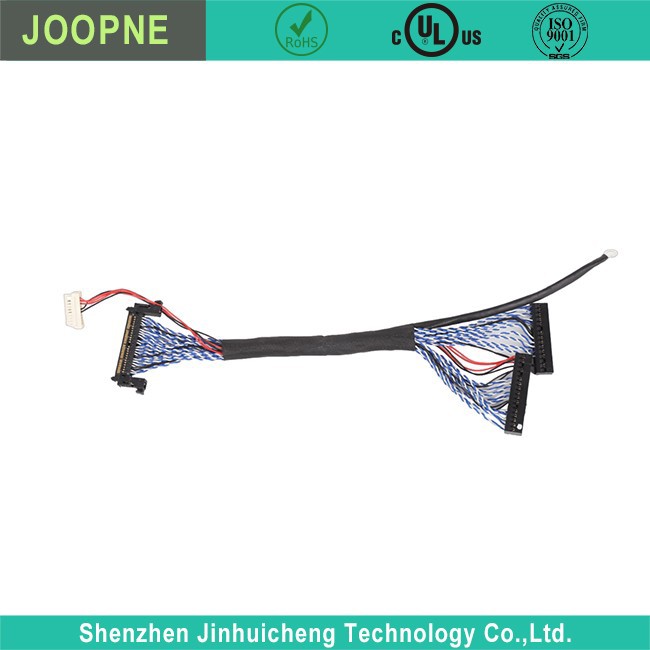

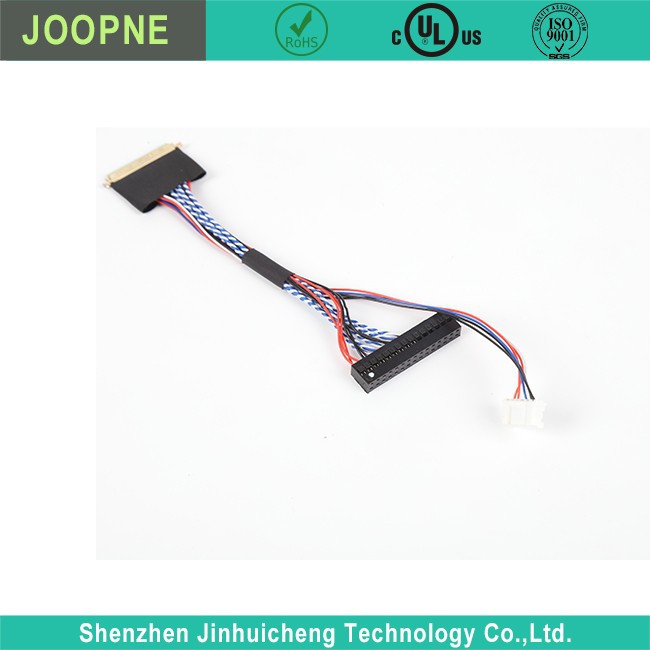
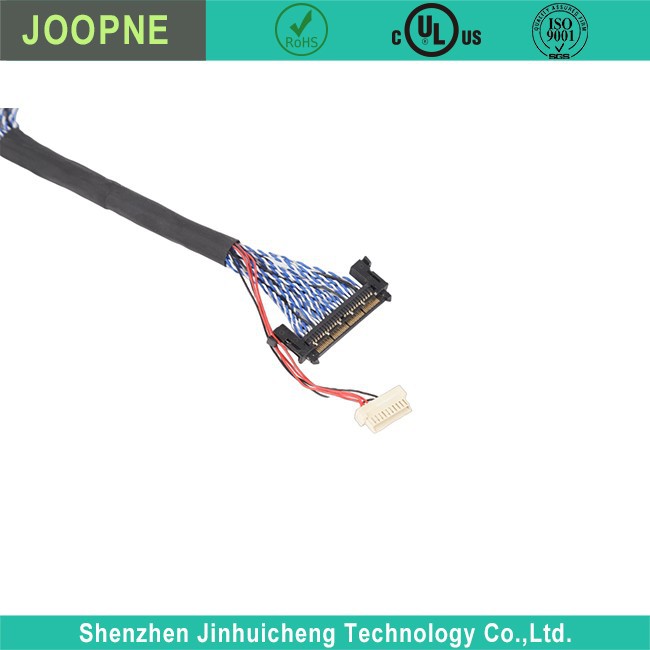
Micro Coaxial Cable
Micro coaxial cables are specialized cables known for their thin and flexible design, primarily used in applications that require compact and lightweight interconnections, especially in electronic devices where space is limited.
Product Introduction
Micro coaxial cables are specialized cables known for their thin and flexible design, primarily used in applications that require compact and lightweight interconnections, especially in electronic devices where space is limited. These cables consist of a central conductor surrounded by insulation and shielding, providing a way to transmit signals while maintaining a small form factor.
Key features and considerations of micro coaxial cables include
Size and Flexibility:
These cables are significantly smaller in diameter compared to standard coaxial cables, allowing for increased flexibility and easier routing in tight spaces.
Due to their miniature size, they are commonly used in devices like smartphones, tablets, laptops, medical equipment, cameras, GPS devices, and other compact electronics.
Construction:
They typically have a central conductor, often made of fine-stranded wire or a micro-coaxial configuration, surrounded by insulating materials like PTFE (polytetrafluoroethylene) or FEP (fluorinated ethylene propylene).
Micro coaxial cables may have shielding, often in the form of foil or braided shielding, to protect against electromagnetic interference (EMI) and maintain signal integrity.
Connectors:
Micro coaxial cables often use specialized connectors designed to match the small size and specifications of the cable. These connectors might include uFL, MMCX, Hirose U.FL, or other miniature connectors.
Applications:
Commonly used for transmitting high-frequency signals in small electronic devices, especially in applications involving antennas, RF (Radio Frequency) modules, cameras, displays, and various miniaturized sensors.
They can also be used internally within devices for signal transmission between components in compact spaces.
Signal Transmission:
Micro coaxial cables can transmit signals at high frequencies, making them suitable for applications involving radio frequencies, video signals, and data transmission in constrained spaces.
Loss and Impedance:
As with other coaxial cables, micro coaxial cables may experience signal loss over distance. Their impedance, typically 50 or 75 ohms, needs to match the devices they connect to for optimal signal transfer.
Customization and Varieties:
Manufacturers offer a variety of micro coaxial cables with different specifications, such as varying impedance, shielding options, and flexibility, to meet specific application needs.
Micro coaxial cables play a crucial role in modern electronics, enabling reliable signal transmission while maintaining a compact form factor. When selecting micro coaxial cables, considerations include the required impedance, frequency range, connector compatibility, and space constraints within the device or system. These cables are available from specialized electronic component suppliers and manufacturers catering to industries requiring compact interconnect solutions.
Product Qualification
The cable comes in many different sizes to help you get the length you need. The cables are available in different lengths like 0.3m, 0.9m, 1.8m, 3m, 3.6m, 4.6m and 7.6m or others as your request.






Hot Tags: micro coaxial cable, China micro coaxial cable manufacturers, suppliers, factory, industrial wire harness, zso51 lvds cable, tnc coaxial, ffc cable 4 pin, pl259 for rg58, jst xh cable


Send Inquiry
