

How do I replace a US power cord?
Dec 26, 2025
Hey there! I’m an avid supplier of US power cords, and I often get questions about cord replacement. So, I thought I’d sit down and share a detailed guide on how to replace a US power cord. Whether you’re dealing with a frayed cord, a malfunction, or just need an upgrade, this guide’ll walk you through the process step by step.
Understanding Your US Power Cord
First things first, let’s get to know the US power cord a bit better. The standard US power cord is a two- or three-pronged cable that’s used to connect electrical devices to a power outlet. The two-pronged cord is typically used for devices that don’t require grounding, while the three-pronged cord includes a ground pin for added safety.
The US power cord usually has a voltage rating of 120 volts and a frequency of 60 Hz. It’s important to make sure you’re using the right cord for your device, as using an incompatible cord can lead to electrical issues or even pose a safety hazard.
Tools You’ll Need
Before you start replacing your US power cord, you’ll need to gather a few tools. Here’s what you’ll need:
- A new US power cord: Make sure to choose a cord that’s compatible with your device. You can find a wide range of US power cords on the market, so take your time to find the right one.
- A screwdriver: You’ll need a screwdriver to remove the screws that hold the device’s housing in place.
- Wire cutters/strippers: These tools will come in handy for cutting and stripping the wires of the old cord.
- Electrical tape: Electrical tape is used to insulate the wires and prevent electrical shocks.
- A multimeter (optional): A multimeter can be used to test the electrical continuity of the new cord.
Step-by-Step Replacement Process
Now that you have all the tools you need, let’s dive into the replacement process. Here’s a step-by-step guide on how to replace a US power cord:
Step 1: Unplug the Device
Before you start working on the power cord, make sure to unplug the device from the power outlet. This will prevent any electrical shocks or accidents.
Step 2: Remove the Old Power Cord
Once the device is unplugged, use your screwdriver to remove the screws that hold the device’s housing in place. Open the housing and locate the old power cord. You’ll usually find it connected to the device’s internal wiring.
Use your wire cutters to cut the old power cord as close to the device as possible. Make sure to label the wires if they’re color-coded, as this will make it easier to connect the new cord later.
Step 3: Prepare the New Power Cord
Take your new US power cord and use your wire strippers to remove about half an inch of insulation from the ends of the wires. Make sure to expose enough wire to make a secure connection.
If your new cord has a plug, you may need to replace it with a plug that’s compatible with your device. You can usually find replacement plugs at your local hardware store.
Step 4: Connect the New Power Cord
Once the new power cord is prepared, it’s time to connect it to the device’s internal wiring. Refer to the labels you made earlier to ensure you’re connecting the wires correctly.
Use your screwdriver to loosen the terminal screws on the device’s internal wiring. Insert the exposed ends of the new power cord into the terminals and tighten the screws to secure the connection.
Step 5: Insulate the Connections
After the new power cord is connected, use electrical tape to insulate the connections. Wrap the tape around the exposed wires to prevent any electrical short circuits.
Step 6: Reassemble the Device
Once the connections are insulated, reassemble the device’s housing and tighten the screws. Make sure the housing is properly sealed to prevent any dust or debris from entering the device.
Step 7: Test the New Power Cord
Before you plug the device back in, use a multimeter to test the electrical continuity of the new power cord. This will ensure that the cord is working properly and that there are no electrical issues.
If the multimeter shows a reading, it means the cord is working properly. If not, double-check your connections and make sure the wires are properly connected.
Other Power Cord Options
Depending on your needs, you might be interested in other types of power cords. For instance, if you’re traveling to Brazil, you’ll need a Brazil Power Cord. Brazil uses a different plug standard, so it’s important to have the right cord.
Or, if you’re looking for a more basic option, the Two Prong Power Cable could be a good choice. It’s simple and can be used for a variety of devices.
And for those in the UK or traveling there, the UK Power Cord is essential. The UK has its own unique plug design, so having the correct cord is crucial.
Why Choose Us?
As a supplier of US power cords, I take pride in providing high-quality products at competitive prices. Our cords are made from premium materials and are rigorously tested to ensure they meet the highest safety standards.
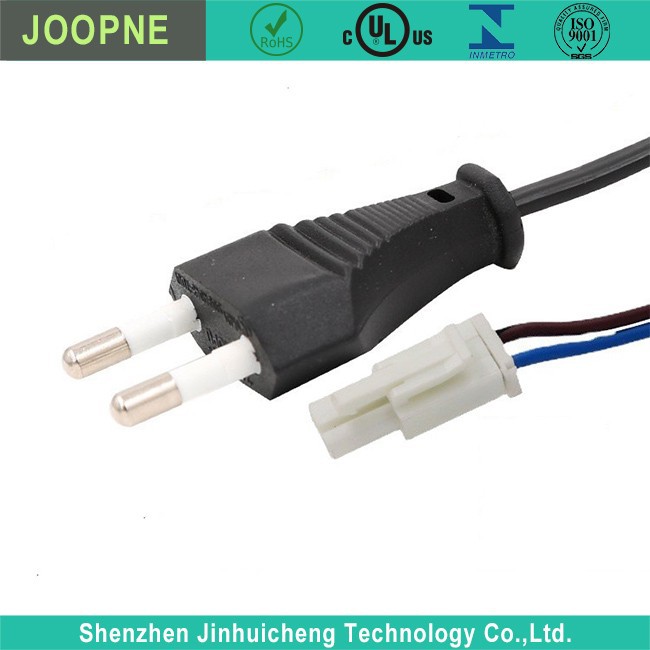
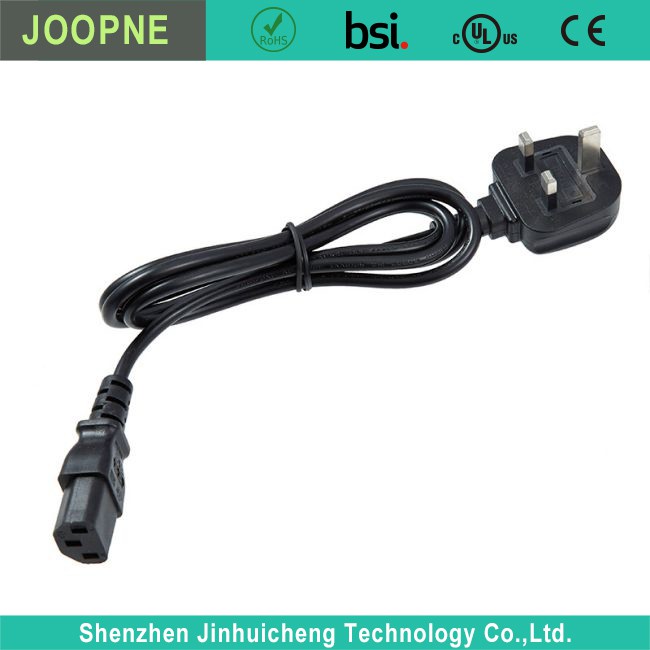
We also offer a wide range of power cords to meet your specific needs. Whether you’re looking for a two-pronged cord, a three-pronged cord, or a specialty cord, we’ve got you covered.
Contact Us for Purchasing
If you’re interested in purchasing US power cords or have any questions about the replacement process, don’t hesitate to reach out. We’re here to help you find the right solution for your needs. You can start a conversation with us to discuss your requirements and get a quote.
References
- Electrical Safety Foundation International. (2023). Electrical Safety Tips. Retrieved from various publications on electrical safety.
- National Electrical Code. (2023). Standard for Electrical Installations. Retrieved from the official code books and updates.
