

What is the difference between ribbon cables made by different materials?
Dec 26, 2025
Hey there! As a ribbon cable supplier, I’ve been in the game for quite a while, and I often get asked about the differences between ribbon cables made from different materials. So, I thought I’d take a moment to break it down for you.
First off, let’s talk about what ribbon cables are. Ribbon cables, also known as flat cables, are flat and flexible cables that consist of multiple conducting wires running parallel to each other. They’re commonly used in a variety of electronic devices, from computers to automotive systems, because they’re easy to install, take up less space, and can handle multiple signals at once.
Now, the materials used to make ribbon cables can vary widely, and each material has its own set of properties that can affect the cable’s performance, durability, and cost. Here are some of the most common materials used in ribbon cable manufacturing and how they stack up against each other.
PVC (Polyvinyl Chloride)
PVC is one of the most widely used materials for ribbon cables, and for good reason. It’s inexpensive, flexible, and easy to work with, making it a popular choice for a variety of applications. PVC ribbon cables are also resistant to moisture, chemicals, and abrasion, which makes them suitable for use in harsh environments.
However, PVC does have some drawbacks. It has a relatively low temperature rating, which means it can’t be used in high-temperature applications. It also emits toxic fumes when burned, which can be a safety concern in some situations.
PE (Polyethylene)
PE is another popular material for ribbon cables. It’s lightweight, flexible, and has excellent electrical properties, making it a good choice for high-speed data transmission. PE ribbon cables are also resistant to moisture, chemicals, and UV radiation, which makes them suitable for use in outdoor applications.
One of the main advantages of PE is its high temperature rating. It can withstand temperatures up to 105°C, which makes it suitable for use in high-temperature applications. However, PE is more expensive than PVC, which can make it less attractive for cost-sensitive applications.
FEP (Fluorinated Ethylene Propylene)
FEP is a high-performance material that’s commonly used in ribbon cables for critical applications. It has excellent electrical properties, high temperature resistance, and is resistant to chemicals, moisture, and UV radiation. FEP ribbon cables are also very flexible, which makes them suitable for use in tight spaces.
One of the main advantages of FEP is its high temperature rating. It can withstand temperatures up to 200°C, which makes it suitable for use in high-temperature applications. However, FEP is also the most expensive material on this list, which can make it cost-prohibitive for some applications.
Teflon (Polytetrafluoroethylene)
Teflon is a well-known material that’s used in a variety of applications, including ribbon cables. It has excellent electrical properties, high temperature resistance, and is resistant to chemicals, moisture, and UV radiation. Teflon ribbon cables are also very flexible, which makes them suitable for use in tight spaces.
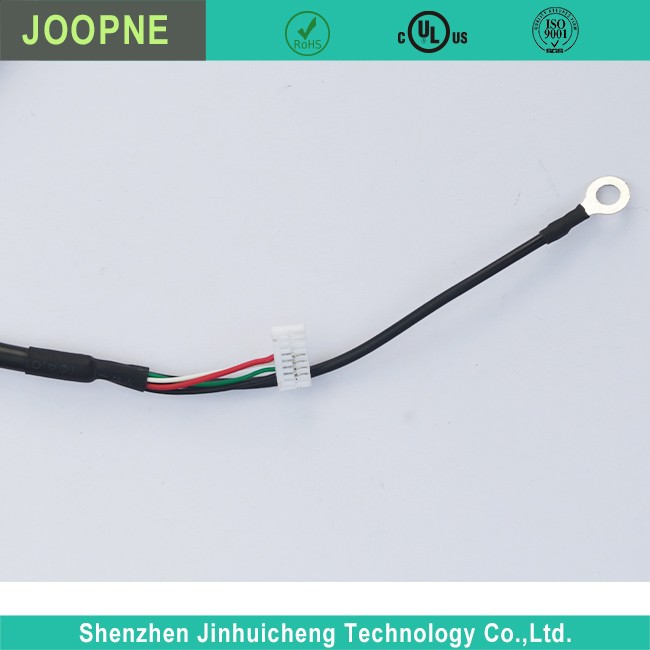
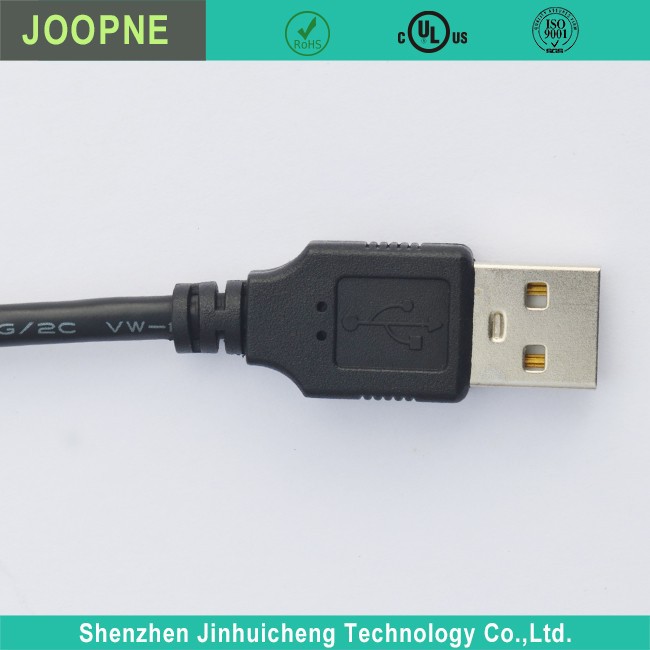
One of the main advantages of Teflon is its high temperature rating. It can withstand temperatures up to 260°C, which makes it suitable for use in high-temperature applications. However, Teflon is also the most expensive material on this list, which can make it cost-prohibitive for some applications.
Comparing the Materials
So, which material is the best for your ribbon cable application? Well, it depends on your specific requirements. If you’re looking for an inexpensive, flexible cable for a low-temperature application, PVC might be the way to go. If you need a cable that can handle high-speed data transmission and is resistant to moisture and chemicals, PE might be a better choice. If you’re working on a critical application that requires high temperature resistance and excellent electrical properties, FEP or Teflon might be the best option.
Here’s a quick comparison of the materials we’ve discussed:
| Material | Cost | Flexibility | Temperature Rating | Chemical Resistance | Electrical Properties |
|---|---|---|---|---|---|
| PVC | Low | High | Low | High | Good |
| PE | Medium | High | Medium | High | Excellent |
| FEP | High | High | High | High | Excellent |
| Teflon | Very High | High | Very High | High | Excellent |
Real-World Applications
To give you a better idea of how these materials are used in real-world applications, let’s take a look at some examples.
- Computer Motherboards: Ribbon cables made from PVC or PE are commonly used in computer motherboards to connect various components, such as hard drives, optical drives, and floppy drives. These cables are inexpensive, flexible, and can handle the low-speed data transmission requirements of these components.
- Automotive Electronics: Ribbon cables made from PE or FEP are commonly used in automotive electronics to connect various sensors, actuators, and control modules. These cables need to be resistant to moisture, chemicals, and vibration, and they need to be able to handle the high-temperature environment of the engine compartment.
- Medical Devices: Ribbon cables made from Teflon are commonly used in medical devices, such as MRI machines and defibrillators. These cables need to have excellent electrical properties and be able to withstand the high-temperature sterilization processes used in medical facilities.
Our Product Offerings
As a ribbon cable supplier, we offer a wide range of ribbon cables made from different materials to meet the needs of our customers. Whether you need a PVC cable for a low-cost application or a Teflon cable for a high-performance application, we’ve got you covered.
Some of our popular products include the 8P Cable, the Power Inside Extension Cable For Appliance, and the Molded Cable. These cables are available in a variety of lengths, colors, and configurations, and they can be customized to meet your specific requirements.
Contact Us for Your Ribbon Cable Needs
If you’re in the market for ribbon cables, we’d love to hear from you. Our team of experts can help you choose the right cable for your application and provide you with a competitive quote. Whether you need a small quantity of cables for a prototype or a large quantity for a production run, we can accommodate your needs.
So, don’t hesitate to reach out to us today to discuss your ribbon cable requirements. We’re here to help you find the best solution for your project.
References
- "Ribbon Cable Basics," Electronics Notes.
- "Materials for Ribbon Cables," CableOrganizer.com.
- "Choosing the Right Cable Material," Wiring Harness Manufacturer.
