

What is the impact of cable aging on its performance?
Dec 26, 2025
Cable aging is a natural and inevitable process that can have a significant impact on the performance of computer cables. As a computer cable supplier, I’ve witnessed firsthand how the degradation of cables over time can lead to a variety of issues for users. In this blog post, I’ll explore the various ways in which cable aging affects performance and discuss some strategies for mitigating these problems.
Physical Degradation
One of the most obvious effects of cable aging is physical degradation. Over time, the outer insulation of a cable can become brittle, cracked, or frayed. This is often due to exposure to environmental factors such as heat, cold, moisture, and UV radiation. For example, cables that are installed in areas with high temperatures or direct sunlight are more likely to experience accelerated aging of their insulation.
When the insulation is damaged, it can no longer provide adequate protection for the internal conductors. This can lead to short – circuits, where the electrical current flows between conductors that are not supposed to be connected. Short – circuits can cause damage to connected devices, such as computers, monitors, or printers. In some cases, they can even pose a fire hazard.
The internal conductors of a cable can also be affected by physical aging. Copper conductors, which are commonly used in computer cables, can corrode over time. Corrosion occurs when the copper reacts with oxygen and other chemicals in the environment. This can increase the resistance of the conductor, which in turn reduces the electrical conductivity of the cable. As a result, the signal strength may be weakened, leading to data loss or transmission errors.
Signal Loss and Interference
As cables age, signal loss becomes a more common problem. Signal loss is the reduction in the strength of an electrical or optical signal as it travels through a cable. In computer cables, this can affect data transfer speeds and the quality of the transmitted signal.
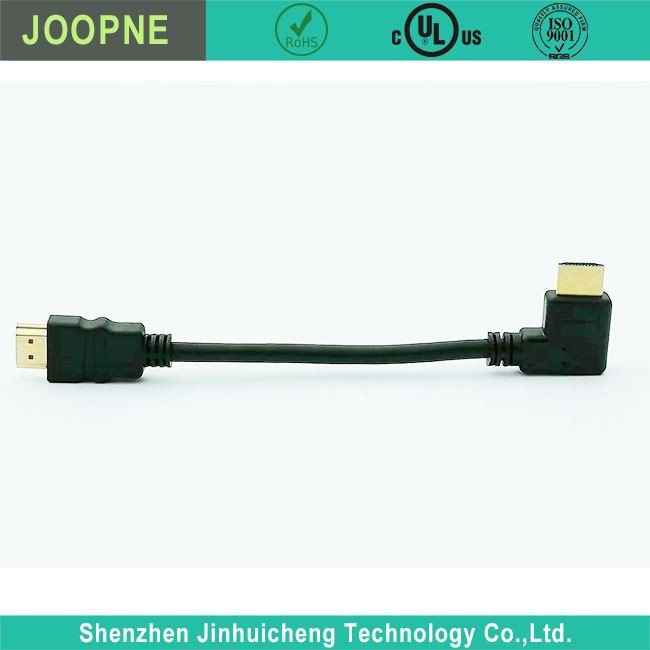
For example, in an HDMI Elbow Cable, aging can cause the signal to degrade, resulting in a loss of picture quality. You may notice issues such as pixelation, color distortion, or a flickering screen. This is because the cable is no longer able to transmit the high – definition video and audio signals accurately.
Aging cables are also more susceptible to electromagnetic interference (EMI) and radio – frequency interference (RFI). EMI and RFI are external electrical or radio signals that can disrupt the normal operation of a cable. As the insulation and shielding of a cable deteriorate with age, they become less effective at blocking these interference sources. This can lead to additional signal degradation and data corruption.
Power Delivery Issues
In the case of power cables, such as the Motherboard power supply cable, aging can have serious consequences for power delivery. As the conductors inside the cable corrode or the insulation breaks down, the resistance of the cable increases. This increased resistance causes the cable to heat up more than normal when carrying an electrical current.
Excessive heat build – up in a power cable can not only reduce its efficiency but also pose a safety risk. The heat can further accelerate the aging process of the cable, leading to a vicious cycle. In extreme cases, the cable may overheat to the point where it catches fire. Additionally, the increased resistance can result in a drop in voltage, which may prevent the connected device from receiving the proper amount of power. This can cause the device to malfunction or even fail completely.
Performance in Different Types of Computer Cables
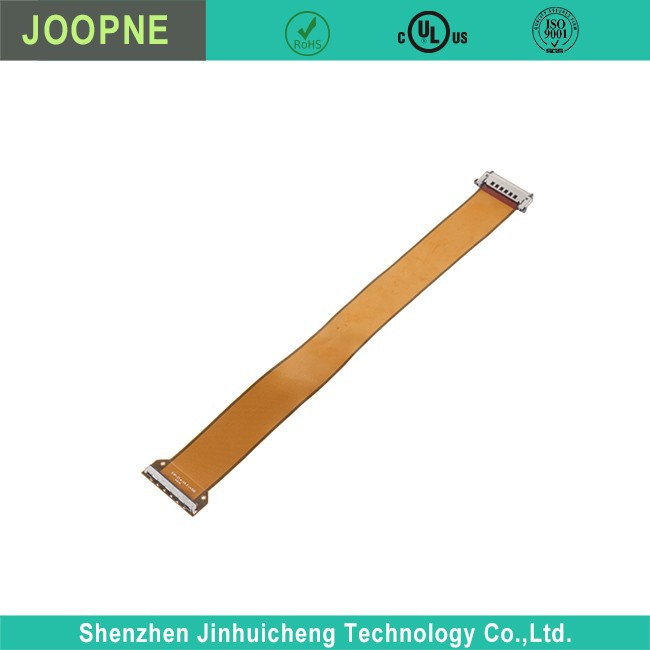
Different types of computer cables are affected by aging in different ways. For example, Flexible Flat Ribbon Cable is commonly used in internal computer components, such as hard drives and optical drives. These cables are thin and flexible, which makes them prone to bending and folding. Over time, repeated bending can cause the conductors inside the cable to break, leading to a loss of connectivity.
Ethernet cables, which are used to connect computers to local area networks (LANs) or the internet, can also experience performance degradation due to aging. As the cables age, the connectors may become loose or corroded, which can result in intermittent network connections or slow data transfer speeds.
Mitigating the Impact of Cable Aging
As a computer cable supplier, I understand the importance of helping customers mitigate the impact of cable aging. One of the simplest ways to do this is through regular cable inspections. By visually inspecting cables for signs of physical damage, such as frayed insulation or loose connectors, you can identify potential problems before they cause serious issues.
It’s also important to replace aging cables in a timely manner. While it may be tempting to keep using a cable until it completely fails, this can lead to data loss, device damage, or even safety hazards. Establishing a cable replacement schedule based on the type of cable and its usage environment can help ensure reliable performance.
Proper cable management can also extend the lifespan of cables. This includes avoiding over – bending or pinching cables, keeping them away from sources of heat and moisture, and organizing them neatly to prevent entanglement.
Conclusion
In conclusion, cable aging can have a profound impact on the performance of computer cables. From physical degradation and signal loss to power delivery issues and interference, the effects of aging can be far – reaching. As a computer cable supplier, I am committed to providing high – quality cables that are more resistant to aging and to offering customers the support and advice they need to manage their cable infrastructure effectively.
If you’re experiencing problems with your computer cables or are looking for reliable and long – lasting cables for your next project, I encourage you to reach out for a procurement discussion. We can work together to find the best cable solutions to meet your specific needs and ensure optimal performance.
References
- Groothuis, R. (2018). Cable Aging: Causes, Effects, and Solutions. Electrical Engineering Journal, 25(3), 45 – 56.
- Smith, J. (2019). Understanding Signal Loss in Aging Computer Cables. Computer Technology Review, 12(2), 78 – 85.
- Brown, A. (2020). Power Cable Aging and Its Impact on Device Performance. Energy and Electronics Magazine, 30(4), 67 – 74.
