

How do I find the right battery cable for my boat?
Dec 24, 2025
Finding the right battery cable for your boat can be a bit of a head – scratcher. But don’t worry, as a battery cable supplier, I’m here to walk you through the whole process.
First things first, let’s talk about why getting the correct battery cable is so important for your boat. Your boat’s electrical system relies on a good connection between the battery and other components. A wrong cable can lead to power loss, overheating, and even damage to your electrical equipment. It’s like the arteries in our bodies; if the blood (or in this case, electricity) can’t flow properly, things start to go wrong.
One of the key factors to consider is the cable size. The size of a battery cable is measured by its American Wire Gauge (AWG). The lower the AWG number, the thicker the cable. Thicker cables can carry more current with less resistance. For boats, you need to think about the amount of power your electrical devices draw. If you have a small boat with just basic lights and a radio, a thinner cable might do the job. But if you’ve got high – power equipment like fish finders, trolling motors, and big stereo systems, you’ll need a much thicker cable. For example, a trolling motor can draw a significant amount of current, and using a cable that’s too thin could cause it to overheat and potentially fail.
Another thing to take into account is the cable material. Most battery cables are made of copper. Copper is an excellent conductor of electricity, which means it allows the current to flow easily. It also has good corrosion resistance. However, you need to be aware that not all copper cables are created equal. Some are made from pure copper, while others are a copper alloy. Pure copper cables are generally better for boats because they offer the least resistance and are more durable.
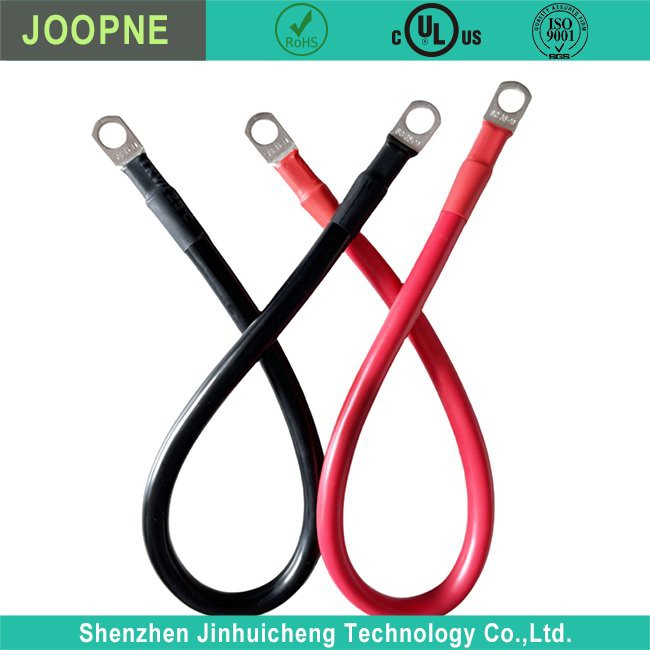
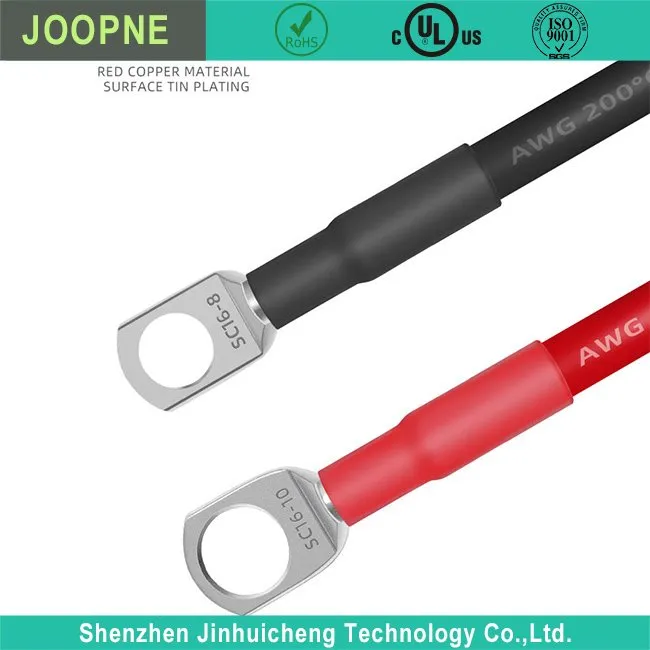
The length of the cable is also crucial. Longer cables have higher resistance, which can lead to a drop in voltage. So, if you need to run a cable from the battery to the back of the boat, you’ll need to choose a thicker cable to compensate for the increased resistance. You don’t want to end up with a situation where your devices are not getting enough power because of a long, thin cable.
The environment in which the cable will be used is extremely important on a boat. Boats are exposed to water, salt, and high humidity. These conditions can cause corrosion. Look for cables that are specifically designed for marine use. These cables usually have a special coating or insulation that protects them from the harsh marine environment. For example, some cables have a PVC or nylon coating that is resistant to water and chemicals.
Now, let’s talk about the types of battery cables available for boats. There are basically two main types: positive and negative cables. The positive cable connects the battery’s positive terminal to the electrical devices, while the negative cable connects the negative terminal to the ground. Make sure to get the right length and size for both cables.
As a battery cable supplier, I can offer you a wide range of options. For those interested in car – like applications on boats or just for general knowledge, check out our Car Battery Cables. These cables have similar principles and can give you an idea of the quality and construction we offer.
If you’re into solar power for your boat, our Solar Battery Cables are worth a look. They are designed to handle the specific needs of solar power systems, like high – efficiency energy transfer.
And of course, our Boat Battery Cables are specifically tailored for the unique requirements of boats. They take into account all the factors we’ve discussed, like the harsh marine environment, the need for proper current – carrying capacity, and the right cable materials.
When you’re looking for the right battery cable for your boat, it’s also a good idea to measure the space where the cable will be installed. You want to make sure the cable fits properly and that there’s no risk of it getting pinched or damaged. You should also check the terminals on the cable. Good terminals are essential for a secure connection. Look for terminals that are made of high – quality materials and are properly crimped or soldered to the cable.
If you’re not sure which cable is right for your boat, don’t hesitate to reach out. We’re here to help you make the best choice. Whether you’re a novice boat owner or a seasoned sailor, getting the right battery cable is essential for the smooth operation of your boat’s electrical system.
So, if you’re in the market for boat battery cables or just have questions about finding the right ones, we’d love to have a chat. Our team of experts can provide you with all the information you need and help you select the perfect cable for your boat. Don’t let an incorrect battery cable ruin your boating experience. Contact us today to start your journey to a reliable and efficient electrical system for your boat.
References:
- Marine Electrical Systems Handbook
- Boat Maintenance and Electrical Guide
