

What is the shape of the pins on an EU power cord plug?
Dec 09, 2025
Hey there! As a supplier of EU power cords, I often get asked about the shape of the pins on an EU power cord plug. It might seem like a small detail, but it’s actually pretty important, especially when it comes to compatibility and safety. So, let’s dive right in and take a closer look at what makes the pins on an EU power cord plug unique.
The Basics of EU Power Cord Plugs
First off, most EU power cord plugs you’ll come across are Type C and Type F. These are the ones that are super common across Europe.
Type C Plug
The Type C plug, also known as the "Europlug," is probably one of the most recognizable. It has two round pins. These pins are straight and parallel to each other. The diameter of each pin is about 4 mm, and they’re spaced 19 mm apart. It’s a simple design, and that’s part of its charm. It’s lightweight and easy to use, and it can fit into a lot of different sockets in Europe. But here’s the thing, the Type C plug isn’t grounded. That means it’s not the best option for high – power appliances because it lacks that extra safety feature. You can find more about two – prong power cables like these at Two Prong Power Cable.
Type F Plug
Now, the Type F plug is a bit more advanced. It also has two round pins, just like the Type C, but it has some added features. The pins on a Type F plug are also 4 mm in diameter and 19 mm apart. What sets it apart are the two clips on the sides of the plug. These clips are used to make a better electrical connection and also provide grounding. When you plug in a Type F plug, the clips make contact with the socket, creating a secure and stable connection. This is great for all kinds of appliances, from small electronics to larger ones. It’s a safer option compared to the Type C plug, especially for appliances that require a lot of power.
Why the Round Pins?
You might be wondering why the pins on EU power cords are round in the first place. Well, there are a few reasons for this.
Historical Reasons
Back in the day, when electrical standards were being developed, round pins were chosen because they were easy to manufacture. The technology at the time made it simpler to produce round pins compared to other shapes. Also, round pins are less likely to break or deform compared to flat pins. This was important because it ensured a more reliable electrical connection over time.
Compatibility
Round pins also offer better compatibility. Since they’re circular, they can fit into sockets at different angles. This means that you don’t have to be super precise when plugging in your device. It’s a lot more forgiving compared to plugs with flat pins, which need to be inserted at just the right angle.
Comparing with Other Power Cord Plugs
It’s always interesting to see how EU power cord plugs stack up against plugs from other parts of the world.
Australia Power Cord
If you look at Australia Power Cord, the plugs there are quite different. Australian plugs have three flat pins in a triangular shape. The top pin is for grounding, and the two lower pins are for the live and neutral connections. This design is very different from the round pins of EU plugs. The flat pins in Australian plugs provide a very secure connection, and the triangular shape makes it easy to insert the plug into the socket the right way.
Thailand Power Cord
Thailand uses a mix of different plug types. You can find Type A (two flat parallel pins), Type B (Type A with an additional grounding pin), and also Type C (the Europlug). So, while Thailand has some similarity with the EU in terms of the Type C plug, it also has a wider variety of plug shapes. You can learn more about Thailand’s power cords at Thailand Power Cord.
Safety Considerations
When it comes to power cords, safety is always a top priority. The shape of the pins on EU power cord plugs plays a big role in ensuring safety.
Grounding
As I mentioned earlier, the Type F plug has grounding capabilities thanks to the clips on the sides. Grounding is important because it provides a path for electrical current to flow safely into the ground in case of a fault. This helps prevent electrical shocks and reduces the risk of fire. If you’re using high – power appliances, it’s always better to go for a grounded plug like the Type F.
Pin Design
The round pins on EU plugs are designed in a way that reduces the risk of accidental contact. Since they’re round, there are no sharp edges that could potentially cause injury. Also, the spacing between the pins is designed to prevent short – circuits. If the pins were too close together, there would be a higher risk of the current jumping between them, which could lead to a short – circuit and potentially damage your appliance or cause a fire.
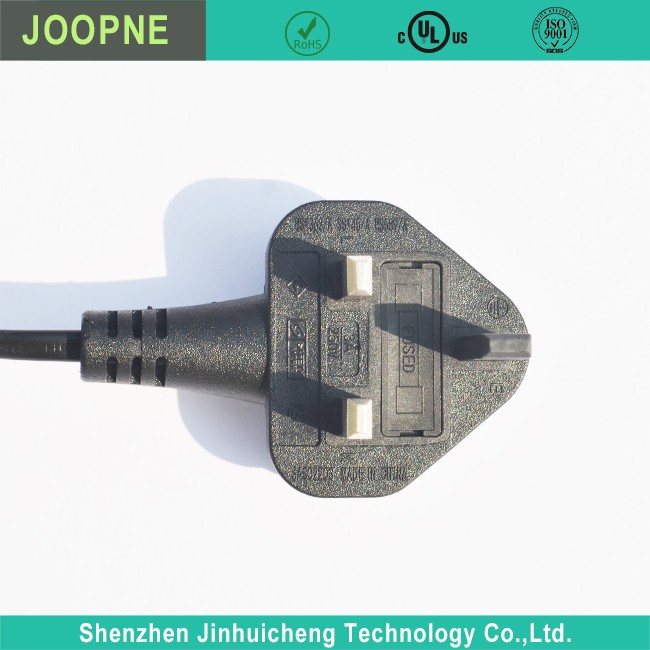
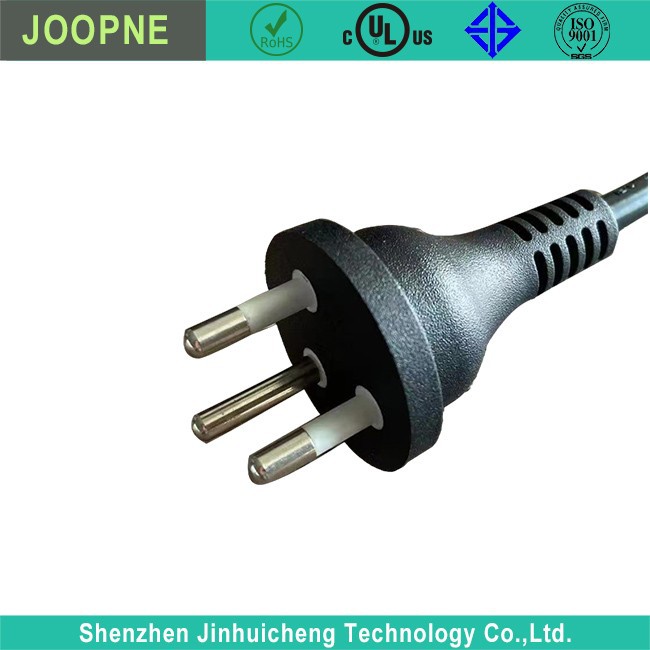
Our EU Power Cords
As a supplier of EU power cords, we take pride in offering high – quality products. Our power cords are made with the right materials to ensure a long – lasting and safe connection. Whether you need a Type C plug for a small electronic device or a Type F plug for a high – power appliance, we’ve got you covered.
We source the best materials for the pins to ensure they have the right diameter and spacing. Our Type F plugs have well – designed clips that provide a secure grounding connection. And we test all our power cords to make sure they meet the highest safety standards.
Contact Us for Your EU Power Cord Needs
If you’re in the market for EU power cords, whether it’s for your business or personal use, we’d love to hear from you. We can offer you a wide range of options at competitive prices. Whether you need a small batch or a large order, we can accommodate your needs. Just reach out to us, and we’ll work with you to find the perfect power cords for your requirements.
References
- IEC 60906 – 1:2019, "Plugs and socket – outlets for household and similar general use – Part 1: General requirements"
- Various electrical safety standards across European countries.
