

[Wire Harness] Assembly process and requirements
Jan 14, 2024
What is a wiring harness?
A wiring harness is a collection of wires and cables used to transmit information signals or operating signals. The materials used to bind the wires in the harness include clips, cable ties, sleeves, electrical tape, or a combination of these.
Assembly process
1. Production of Wire Harness Sub-material Numbers
The sub-material numbers for the wire harness must be compared with the positioning plate to determine the correct cutting line size.
In the current wire harness assembly process, the size of the sub-material numbers is often accurate, but the size of the positioning plate may not be, leading to unnecessary waste. Sub-material numbers must also undergo electrical testing and a full inspection.
2. Wiring the Harness
① Lay out each sub-material number on the positioning plate according to the requirements in the drawing.
② When wiring, start by placing the sub-material numbers in each area. After placing the sub-material numbers in one area, move on to placing them across areas.
③ For cross-area sub-material numbers, start with the simpler ones, then proceed with the more complex ones.
3. Insert the PIN(For some TERs without PINs, they must be inserted into the corresponding connector first).
The wire binding position is determined according to the positioning plate. The starting point for the wire binding is typically the starting point of the double line in the positioning plate.
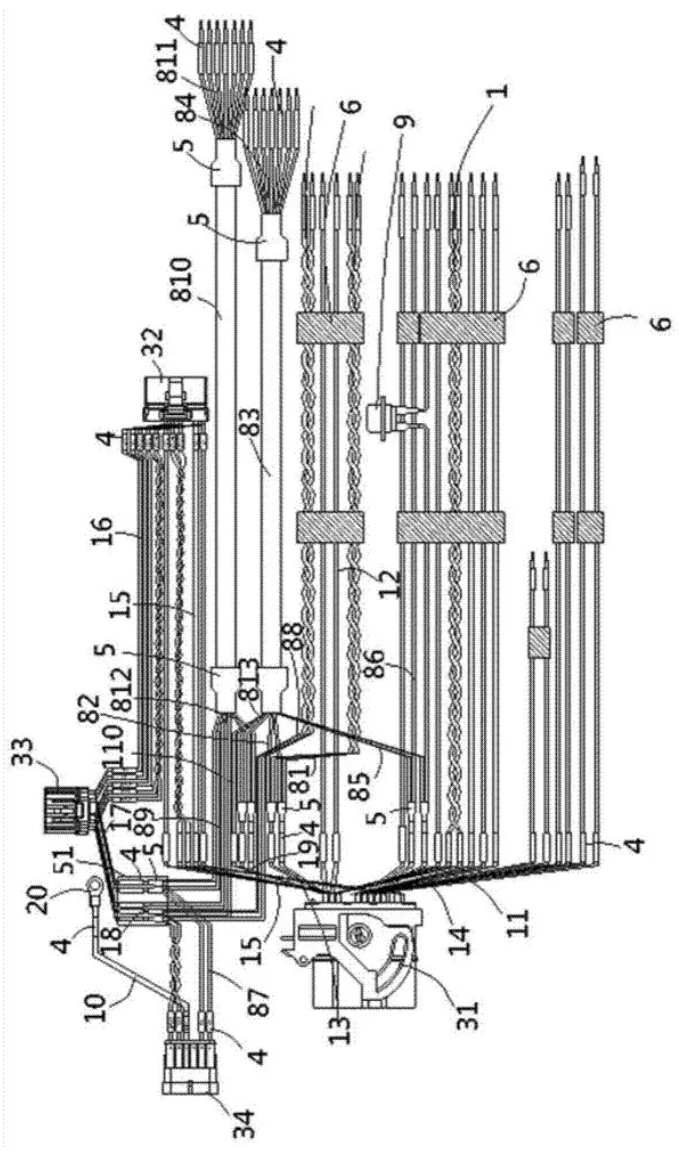
4. Electrical Test
① Due to the complexity of the assembly line, the test data must be thoroughly checked.
② Testing can only proceed after confirmation by the PE & QE.
5. Full Inspection
① Check whether the terminals and connectors (CONN) are within the tolerance zone.
② Verify that the wire binding rings are even.
③ Ensure the assembly method of parts is correct.
6. Storage of Wiring Harness Sub-material Numbers
The sub-material numbers must pass OQC inspection before any subsequent actions can be taken.
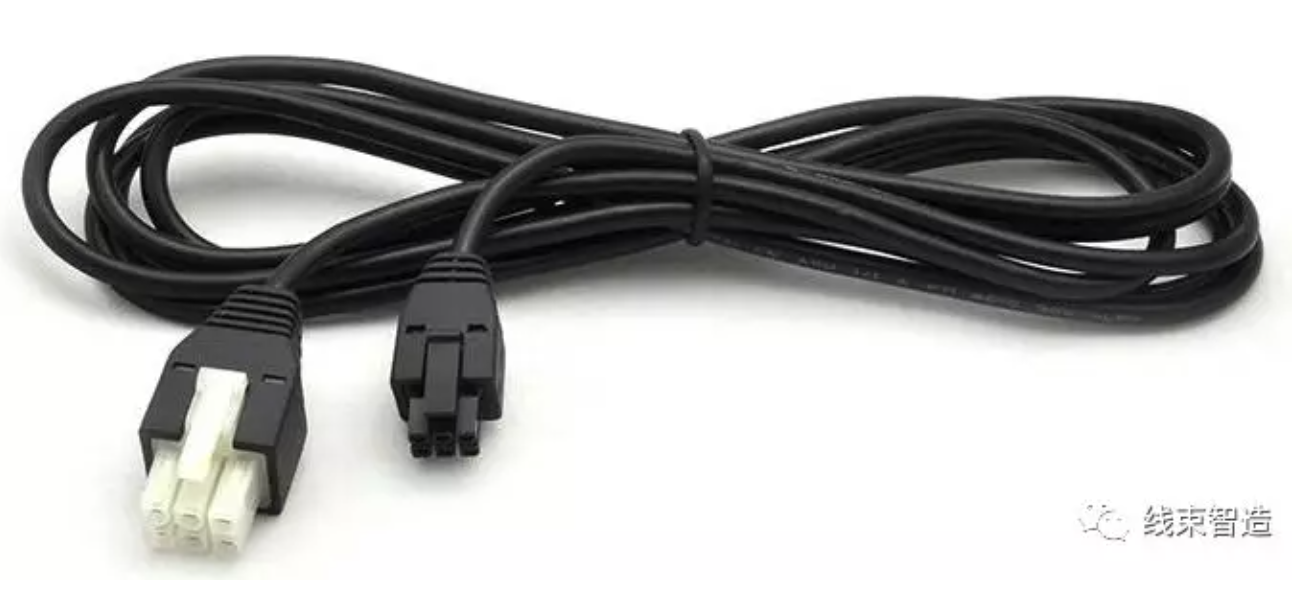
Power Cord Harness Assembly Process Requirements
- After processing and assembling the wire harness, all harnesses must be parallel and should not move. However, cable ties or zip ties should not snag the wires.
- When inserting pins or welding, the core wires must not be twisted together, but they should not be too tight.
- When wiring, ensure that the terminals of each sub-material number, housing, D-sub, IDC, and connector match the markings on the positioning plate.
- The wires of each sub-material number must follow the route indicated on the positioning board.
- When tying the wires, the rope should be fed vertically from the bottom of the tying ring.
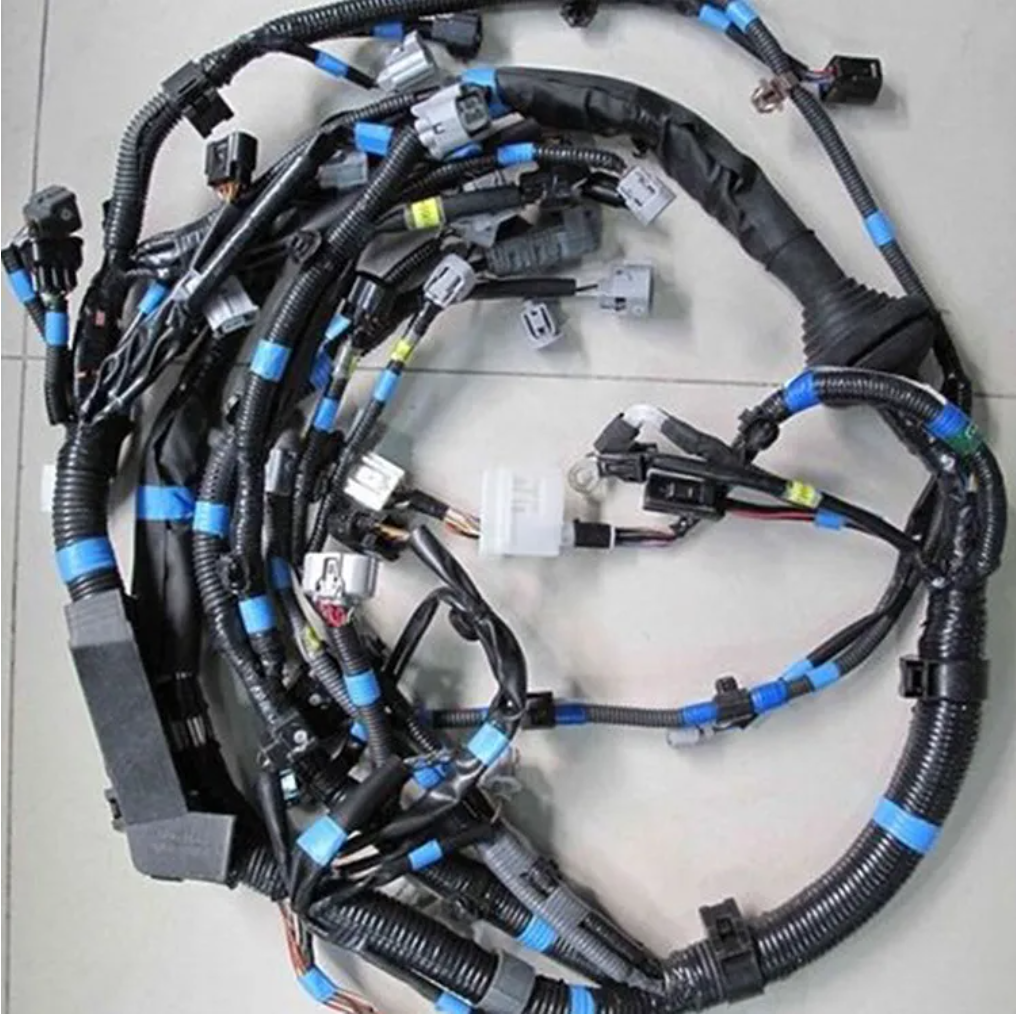
6. The cable tie should be tightened, and the tail should not exceed 1mm.
7. When tying the wires, the distance between the two tying rings should be about 25mm, and each wire should have a tail of about 10mm at the end.
8. Each wire should be tied with a dead knot at both the beginning and end.
9. When tying the wire, do not loop or wrap the rope. Do not allow the connector to be caught on the locating nail, and do not pull the rope too tightly. Fix the end of the rope on the locating nail before tying the wire.
Otherwise, the terminal may damage the core wire or cause the terminal to fall off.
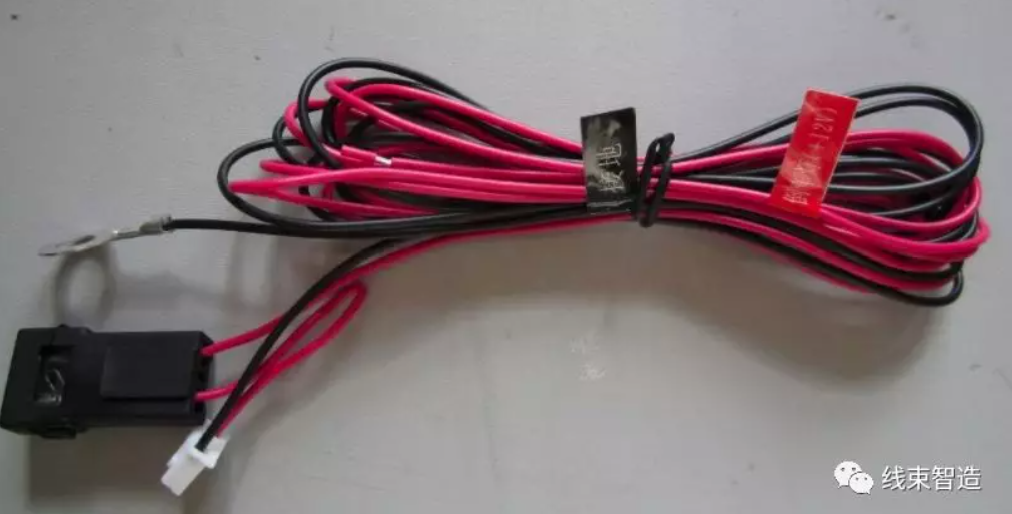
Assembly Quality Standards
After the wire harness is assembled into the finished product, the conductivity of the wire harness must be tested to ensure 100% conductivity with no short circuits, open circuits, or incorrect connections. Additionally, the wire harness must meet the quality standards required by the customer and provide a safety and quality guarantee certificate when packaging.
Every step of the wire harness assembly and testing process strives for meticulousness, excellence, and standardization in line with the ISO9001:2000 quality management system.
