

What is a DC power connector
Jan 20, 2024
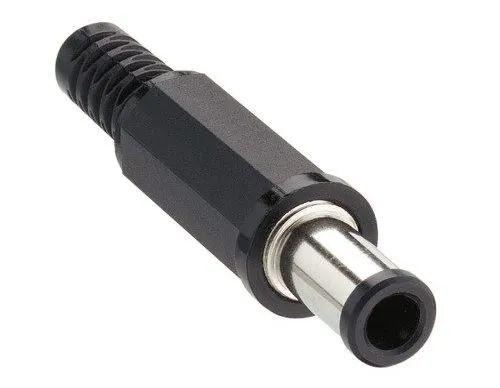
A DC power connector, also known as a DC plug or barrel connector, is a common interface used to provide DC power to small devices and equipment. These plug-and-receptacle-type connectors come in various shapes, sizes, and configurations and are often used to power electrical equipment or within low-voltage systems, such as subsystems in vehicles. Common examples of DC connectors include barrel connectors, coaxial power connectors, audio connectors, power jacks, and USB connectors.
The development of DC connectors is closely tied to the advancement of electrical and electronic systems. The earliest forms of DC connectors date back to the late 19th and early 20th centuries. With the rise of electronic equipment in the mid-20th century, the demand for specialized DC connectors increased, leading to the development of connectors designed to meet the needs of emerging technologies such as radio, television, and early computers.
01
Design Notes
Standardization
Several standards exist within the DC power connector category to cover specific connector types, such as coaxial connectors and USB formats. However, no single standard covers the entire category.
Installation Types
Panel mount, through-hole mount soldered to the PCB, and mid-mount SMT are common installation choices. The type of installation for the DC power jack varies depending on the end application.
Number of Plug and Unplug Cycles
Applications requiring DC power connectors typically experience frequent mating and unmating cycles, so these connectors are often rated for thousands of cycles.
Electrode
DC connectors usually have two positions (also called poles or pins): positive and negative. Correctly connecting the positive and negative terminals ensures that electrical equipment receives the expected voltage and current, thereby preventing potential damage.
size
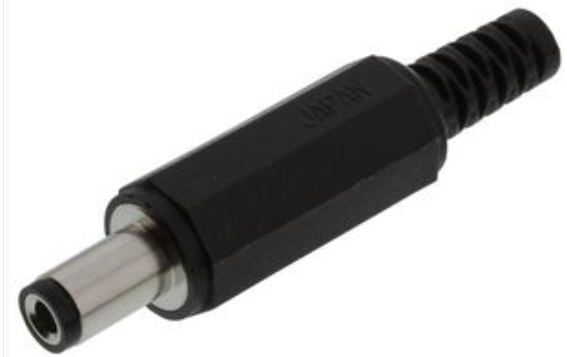
DC connector dimensions can vary greatly depending on the specific type and purpose of the connector.
terminal
DC connectors have specific pin configurations to accommodate various functions such as power supply, data transfer, or other functions.
Material specifications
The materials used in DC connectors vary depending on the connector type, intended application, and environmental factors.
02
Physical Properties
Insulation
DC connectors are typically designed with an insulating layer to prevent electrical contact between conductive elements and to avoid accidental contact with live electrical parts, thus reducing the risk of short circuits. The pins, terminals, and other conductive elements within a DC connector are often surrounded or coated with insulating material.
Shielding
Shielding requirements depend on the specific application, the nature of the transmitted signal, and environmental conditions. When selecting connectors for applications where interference may be a concern, consider the shielding characteristics and choose a connector that meets the specific needs of the application.
Environmental Characteristics
IP Rating/Sealing Mechanism
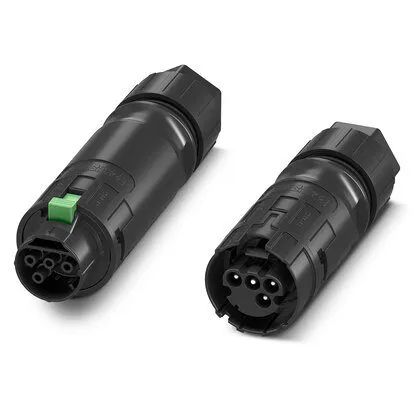
DC connectors are often sealed or ruggedized for use in harsh environments.
Electrical Characteristics
Even within similar form factors, DC connectors can have different voltage and current ratings. Using the correct DC connector ensures compatibility and prevents damage to connected devices. When handling DC connectors, it is important to pay attention to polarity (positive and negative) and match the voltage and current requirements of the connected device to avoid potential damage.
Markets and Applications
With the development of intelligence, electrification, the Internet, and mobile Internet, DC connectors are now used in many fields, including automobiles, consumer electronics, data communications, telecommunications, industry, medical, military, and aerospace.
