

What is a 3 prong power cord called?
Jan 02, 2024
What is a 3 Prong Plug Called?
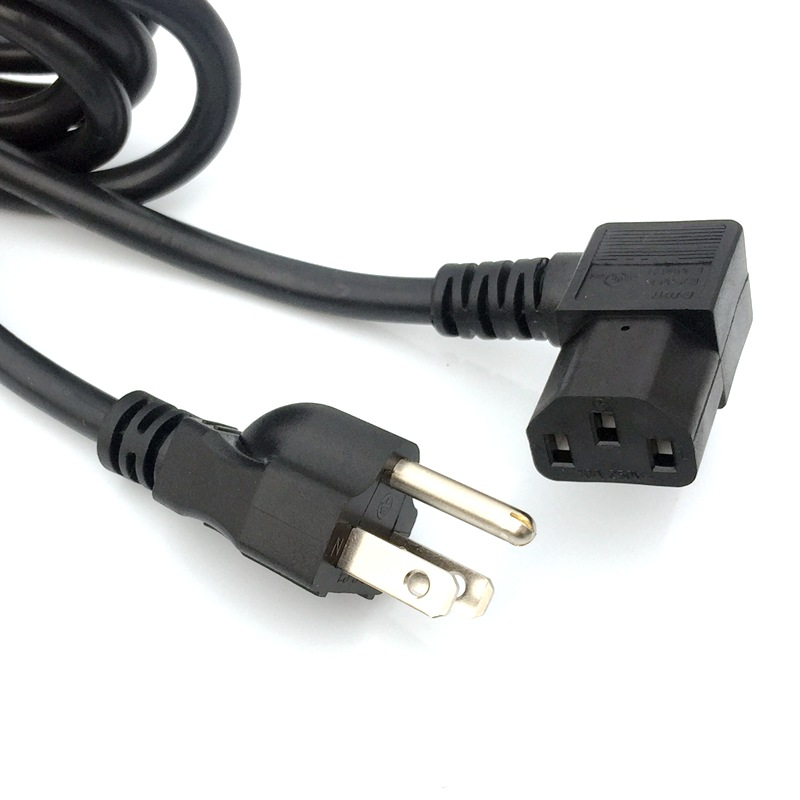
In the world of electrical connections, a 3-prong plug is typically referred to as a based plug or grounding-type plug. These terms highlight its distinct attribute: the third prong that is devoted to grounding.
Sorts Of Electric Outlets
Electric outlets been available in various kinds, each designed for particular applications and safety criteria. The three-pronged outlets, which fit 3-prong plugs, are prevalent in modern-day property and industrial buildings due to their boosted safety functions.
Functions of a 3 Prong Plug
The key function of a 3-prong plug is to give a secure electric connection that includes grounding. This grounding is vital for avoiding electric shock and making certain the safety and security of home appliances and customers.
What Does the Third Prong on a Plug Do?
The 3rd prong on a 3-prong plug works as a grounding conductor. It connects the device or gadget to the ground cable in the electrical system, directing any type of stray electric current safely into the ground.
Typical Questions regarding 3 Prong Plugs
Numerous questions emerge relating to 3-prong plugs and their compatibility with various electrical outlets and tools. Recognizing the advantages and possible problems can assist decisions on utilizing 3-prong power cords and 3-prong adapters.
Should You Update to Three-Prong Outlets?
Considering the safety and security advantages of grounding, upgrading to three-prong outlets is frequently recommended, especially for newer home appliances developed to use the grounding feature. This upgrade makes certain conformity with contemporary electric codes and boosts total safety.
Sorts Of Electrical Outlets
Comprehending the different kinds of electric outlets is crucial for making certain safety and compatibility with your gadgets. In household and industrial settings, you will frequently experience several kinds of outlets, each made for particular applications and electrical lots.
Basic Two-Prong Outlets
These are the a lot of basic kind of electrical outlets, including 2 slots for the plug's prongs. They are typically located in older homes and are made to suit devices that do not require grounding. However, they do not have the safety attributes of more contemporary electrical outlets.
Three-Pronged Outlets
Three-pronged outlets, likewise called 3-prong plugs, are the requirement in more recent homes and buildings. These electrical outlets consist of a third slot for the basing prong, which boosts safety and security by providing a path for electric current to go back to the ground in case of a fault. This decreases the danger of electric shock and devices damage.
GFCI Outlets
Ground Mistake Circuit Interrupter (GFCI) outlets are created to secure versus electric shock by monitoring the circulation of electrical energy and shutting down the circuit if an imbalance is found. These outlets are typically mounted in areas with high moisture degrees, such as bathrooms, kitchens, and exterior spaces.
AFCI Outlets
Arc Mistake Circuit Interrupter (AFCI) electrical outlets are developed to avoid electrical fires by identifying arcing conditions in the wiring. These outlets are generally required in rooms and various other living locations to enhance safety and security.
Specialized Outlets
There are also specialty electrical outlets created for specific appliances and equipment. As an example, 240-volt outlets are made use of for sturdy home appliances like dryers and ovens. In addition, 3-prong adapters can be made use of to transform two-prong electrical outlets to suit a 3-prong power cord, although this is typically not recommended as an irreversible option.
Each kind of electrical outlet offers a distinct purpose and is designed to meet specific safety requirements. When upgrading or mounting brand-new electrical outlets, it is important to take into consideration the electric demands of your gadgets and the safety and security features offered by the electrical outlet type.
Features of a 3 Prong Plug
The 3 Prong Plug offers a number of important functions in electrical systems, mainly focusing on safety and security and integrity. Here's a break down of its essential roles:
1. Grounding
The 3rd prong on a 3-prong plug is devoted to grounding. It links to the ground cable in electric circuits and provides a path for electric existing to securely release in instance of a mistake, such as a short circuit or electrical surge.
2. Boosted Safety
By basing home appliances and gadgets, the 3-prong plug minimizes the risk of electric shock. In situations where a mistake takes place, the ground wire routes extreme electrical power far from the user or sensitive digital devices, protecting against potential injury.
3. Compatibility
Three-pronged outlets are designed to suit 3-prong power cords and offer a safe and secure link. This design ensures that home appliances needing grounding can be safely utilized without compromising electric stability.
4. Electric Security
The third prong also helps in supporting the electrical flow within circuits, reducing the danger of electric sound and interference that could influence gadget efficiency or trigger operational issues.
Recognizing the functions of a 3 Prong Plug is essential for ensuring electrical safety and security and enhancing the efficiency of electric home appliances and devices. Including 3-prong adapters or upgrading to three-prong outlets where needed enhances total electric integrity in both property and commercial settings.
What Does the Third Prong on a Plug Do?
The third prong on a 3 Prong Plug offers a vital safety and security function. This prong, typically described as the ground prong, is developed to safeguard individuals from electric shock. When you connect a gadget right into a three-pronged outlet, the 3rd prong links to the ground cord in your home's electric system. This ground cable supplies a straight course for electric existing to take a trip securely right into the planet in the event of a mistake or short circuit.
Without this grounding mechanism, any kind of mistake in the electrical system might create the metal parts of an appliance to become stimulated, posing a considerable danger of electrical shock. The ground prong ensures that any kind of stray electric current is securely diverted away from the individual, thus improving the overall safety and security of electrical tools.
In addition to security, the 3rd prong likewise helps in maintaining the voltage levels in your electrical system. This is particularly crucial for delicate electronic devices that can be damaged by voltage fluctuations. By offering a stable grounding path, the 3-prong power cord assists to maintain regular voltage levels, therefore securing your devices from potential damage.
It's likewise worth noting that numerous modern home appliances and digital devices are created to work especially with 3-prong adapters and outlets. Using a two-prong adapter or outlet with these tools can endanger their safety and security and performance. Consequently, guaranteeing that your home is outfitted with three-pronged outlets is not simply a matter of compliance with modern-day electrical codes, yet additionally an essential step in guarding your home and its residents.
Common Inquiries regarding 3 Prong Plugs
When considering 3-prong plugs, several common concerns frequently arise, mirroring issues about safety and security, compatibility, and capability. Here are some vital questions dealt with:
| Question | Solution |
| What is a 3-prong plug called? | A 3-prong plug is typically described as a grounded plug due to its grounding mechanism given by the third prong. |
| Are three-pronged outlets safer than two-prong outlets? | Yes, 3-prong outlets are generally safer as they supply a path for power to be securely rerouted in instance of a brief circuit or electrical fault, minimizing the threat of electric shock. |
| Can I make use of a 3-prong power cord in a two-prong outlet with an adapter? | It is not advised to use a 3-prong power cord with a basic two-prong adapter as it bypasses the safety and security grounding attribute, possibly compromising safety and security. |
| What does the third prong on a plug do? | The 3rd prong, usually longer and rounder than the various other 2, offers to ground the electrical appliance or gadget, diverting excess power safely right into the ground instead of via an individual dealing with the gadget. |
| Should I upgrade to three-prong electrical outlets!. | ?. !? Upgrading to 3-prong electrical outlets is recommended if you frequently make use of devices that call for grounding for security and performance. Speak with a certified electrical contractor to guarantee your home's electric system can sustain the upgrade. |
Should You Upgrade to Three-Prong Outlets?
Upgrading to three-pronged outlets is a considerable factor to consider for many house owners. The main factors focus on security, ease, and compatibility with contemporary devices that utilize the 3 Prong Plug. Older homes typically feature two-prong outlets that lack a grounding wire, which can present a safety and security threat. In comparison, a 3-prong power cord consists of a grounding prong, supplying an additional layer of security against electric faults.
Making the transition to three-pronged outlets boosts your home's electric system general. Below's a more detailed consider several of the benefits and bottom lines to take into consideration:
| Element | Two-Prong Outlets | Three-Prong Outlets |
|---|---|---|
| Safety | Lack a grounding wire, higher risk of electric shock | Consists of a ground wire, much safer versus electrical faults |
| Compatibility | Not suitable with modern appliances | Compatible with a lot of modern devices and tools |
| Setup | Less expensive initially but may call for updates | Greater initial expense, but enhanced lasting security |
Not just do three-pronged outlets make certain compatibility with your devices, however they also suit 3-prong adapters for an extra flexible usage of your electrical network. The basing prong in a 3 Prong Plug guarantees that excess electrical power is routed away from humans and sensitive electronics, providing an enhanced protective procedure against electric threats.
Eventually, while the first expense of upgrading to three-pronged outlets may be greater, the renovations in safety, gadget compatibility, and total home value make it a worthwhile financial investment. This upgrade is very recommended to future-proof your home's electrical infrastructure and ensure the well-being of its passengers.
FAQs on 3-Prong Plugs
What is a 3-Prong Plug Called?
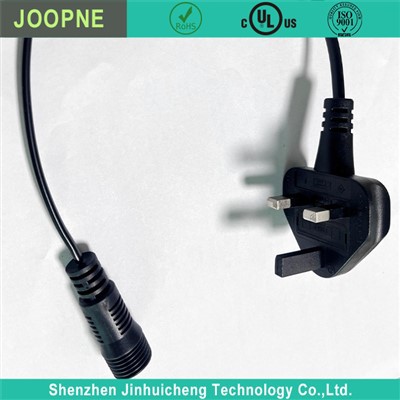
A 3-prong plug is commonly referred to as a grounded plug or grounding-type plug. These terms emphasize its key feature: the third prong dedicated to grounding.
What are the Types of Electrical Outlets?
Electrical outlets come in various types, each designed for specific applications and safety standards. Common types include:
Two-Prong Outlets: Basic outlets found in older homes, lacking grounding.
Three-Prong Outlets: Standard in newer buildings, featuring a grounding slot for enhanced safety.
GFCI Outlets: Protect against electrical shock by shutting off the circuit when an imbalance is detected.
AFCI Outlets: Prevent electrical fires by detecting arcing conditions in the wiring.
Specialty Outlets: Designed for specific appliances, such as 240-volt outlets for dryers and ovens.
What Functions Does a 3-Prong Plug Serve?
The 3-prong plug serves several essential functions, primarily focusing on safety and reliability:
Grounding: The third prong provides a path for electrical current to safely discharge in case of a fault.
Enhanced Safety: Reduces the risk of electric shock by directing excess electricity away from the user.
Compatibility: Ensures a secure connection for appliances requiring grounding.
Electrical Stability: Helps stabilize electrical flow, reducing the risk of electrical noise and interference.
What Does the Third Prong on a Plug Do?
The third prong on a 3-prong plug serves as a grounding conductor. It connects the appliance or device to the ground wire in the electrical system, directing any stray electrical current safely into the ground. This mechanism protects users from electrical shock and helps stabilize voltage levels, particularly important for sensitive electronic equipment.
Should You Upgrade to Three-Prong Outlets?
Upgrading to three-prong outlets is often recommended for several reasons:
Safety: Three-prong outlets provide a grounding feature that reduces the risk of electrical shock.
Compatibility: Modern appliances are designed to work with three-prong outlets.
Compliance: Ensures your home meets modern electrical codes.
While the initial cost may be higher, the improvements in safety and device compatibility make it a worthwhile investment.
Common Questions about 3-Prong Plugs
| Question | Answer |
| What is a 3-prong plug called? | A 3-prong plug is called a grounded plug due to its grounding mechanism provided by the third prong. |
| Are three-pronged outlets safer than two-prong outlets? | Yes, 3-prong outlets are generally safer as they provide a path for electricity to be safely redirected in case of a short circuit or electrical fault. |
| Can I use a 3-prong power cord in a two-prong outlet with an adapter? | It is not recommended to use a 3-prong power cord with a simple two-prong adapter as it bypasses the safety grounding feature, potentially compromising safety. |
| What does the third prong on a plug do? | The third prong serves to ground the electrical appliance or device, diverting excess electricity safely into the ground rather than through a person handling the device. |
| Should I upgrade to three-prong outlets? | Upgrading to 3-prong outlets is advisable if you regularly use appliances that require grounding for safety and functionality. Consult a qualified electrician to ensure your home's electrical system can support the upgrade. |
