

What are the limitations of using RF cables in high – voltage applications?
Dec 29, 2025
Hey there! As a supplier of RF cables, I’ve been in the game long enough to know the ins and outs of these nifty little things. Today, I want to dive deep into a topic that might not be on everyone’s radar but is super important when it comes to high – voltage applications: the limitations of using RF cables in such scenarios.
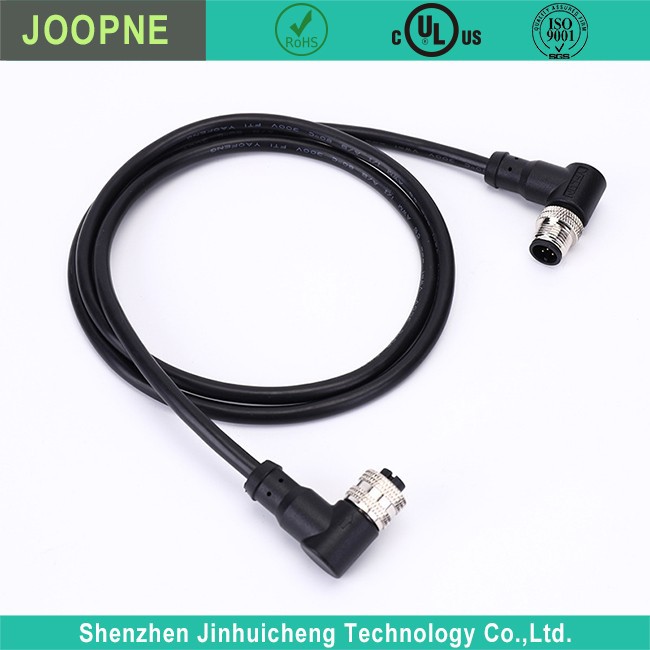
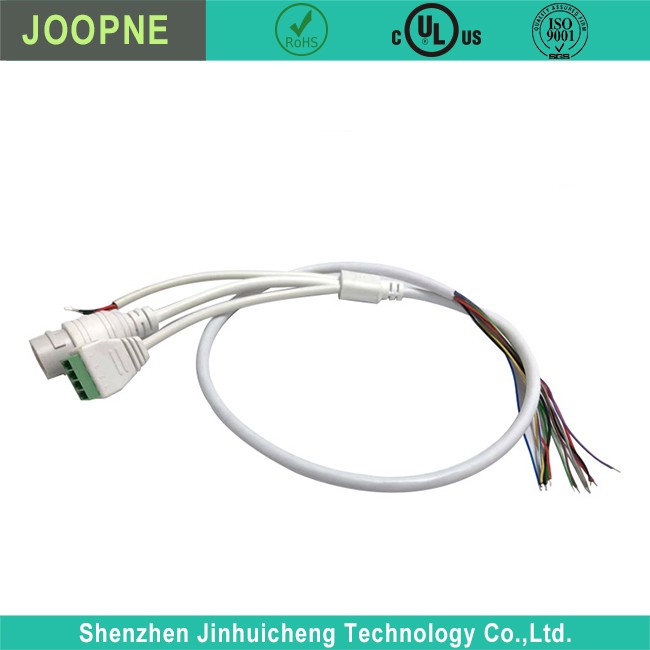
Let’s start with a quick refresher on what RF cables actually are. For those of you who are new to this, RF cables, or radio – frequency cables, are used to transmit radio frequency signals. You can check out more about them on our RF Cable page. They’re commonly used in a wide range of applications, from telecommunications and broadcasting to surveillance systems like Video Surveillance Cable and Other Surveillance Cable.
Now, when it comes to high – voltage applications, things get a little tricky. By high – voltage, I’m talking about those situations where the voltage is significantly higher than the typical operating conditions for RF cables.
One of the major limitations is insulation breakdown. RF cables are designed with a certain level of insulation to protect the signal inside and prevent leakage. In a high – voltage environment, however, the electric field can be so strong that it overpowers the insulation material. When this happens, the insulation breaks down, and the cable can no longer function properly. This could lead to short – circuits, power losses, and even pose a safety hazard. The insulation materials used in standard RF cables are usually rated for a specific voltage range. Push them beyond that, and you’re asking for trouble.
Another biggie is corona discharge. Corona discharge occurs when the electric field around a conductor is strong enough to ionize the surrounding air. In high – voltage applications, the potential for corona discharge in RF cables is quite high. When corona discharge happens, it can cause several problems. Firstly, it leads to power loss. The energy that’s supposed to be used to transmit the RF signal is instead being wasted in the form of ionizing the air. Secondly, it can damage the cable over time. The ionized air can corrode the cable’s outer sheath and other components, reducing its lifespan and reliability.
Heat generation is also a significant limitation. High – voltage applications often generate a lot of heat, and RF cables need to be able to handle that heat. But standard RF cables are not always built to dissipate heat effectively in these extreme conditions. When a cable gets too hot, its electrical properties can change. The resistance of the conductors can increase, which can lead to signal attenuation and distortion. Plus, excessive heat can also cause the insulation material to degrade faster, further exacerbating the insulation breakdown problem we talked about earlier.
Mechanical stress is yet another factor. In high – voltage setups, there can be a lot of mechanical stress on the cables. This could be due to things like vibrations, movement, or even the weight of the cable itself in some large – scale installations. RF cables are not always as robust mechanically as required in high – voltage situations. The connectors can loosen, the cable can get bent or kinked, and these physical issues can disrupt the signal transmission. And if the cable is damaged mechanically in a high – voltage environment, it can be extremely dangerous.
Signal interference is also a challenge. High – voltage sources can generate a lot of electromagnetic interference (EMI). This EMI can couple with the RF signals in the cable, causing noise and distortion. Even though RF cables are designed to have some level of shielding against EMI, the intense electromagnetic fields in high – voltage applications can sometimes overcome that shielding. This means that the quality of the transmitted RF signal can be severely compromised, leading to errors in data transmission or poor performance in systems that rely on the RF signal.
Cost is also an aspect to consider. Modifying RF cables to withstand high – voltage applications can be expensive. You need to use higher – quality insulation materials, better shielding mechanisms, and more robust connectors. All of these add to the production cost, which in turn raises the price of the cable. For some applications, the cost of a high – voltage – compliant RF cable might be prohibitive, making it an unfeasible option.
So, what can we do about all these limitations? Well, one approach is to develop new materials and designs for RF cables. Research is ongoing to find insulation materials that can withstand higher voltages without breaking down. New shielding technologies are also being explored to better protect against EMI in high – voltage environments.
Another option is to use alternative types of cables or transmission methods in high – voltage applications. For some cases, fiber optic cables might be a better choice as they are not affected by electromagnetic interference and can handle high – power signals without the same issues as RF cables. However, as an RF cable supplier, I’m still a big fan of finding solutions to make RF cables work in high – voltage scenarios.
If you’re in the market for RF cables, whether it’s for normal applications or if you’re looking for ways to use them in high – voltage situations, we’re here to help. We’ve got a lot of experience in the industry and can work with you to find the best cable solution for your needs. Whether you’re setting up a surveillance system with Video Surveillance Cable or need Other Surveillance Cable, we’ve got you covered. Don’t hesitate to reach out for a detailed discussion about your requirements and how our RF Cable can fit into your project. We’re keen on working with you to find the right solutions, even in those tricky high – voltage applications.
References:
- Electrical Engineering Handbook, various editions
- Journal articles on high – voltage cable technology and RF signal transmission
