

How do I prevent a UK power cord from overheating?
Dec 29, 2025
As a supplier of UK Power Cord, I’ve encountered numerous concerns from customers regarding the overheating of these essential electrical components. Overheating not only shortens the lifespan of the power cord but also poses significant safety risks, including electrical fires and shocks. In this blog, I’ll share some practical tips on how to prevent a UK power cord from overheating, ensuring both the safety and efficiency of your electrical systems.
Understanding the Causes of Overheating
Before we delve into prevention strategies, it’s crucial to understand why a UK power cord might overheat. Several factors can contribute to this issue:
Overloading
One of the most common causes of overheating is overloading. Each power cord is designed to carry a specific amount of electrical current, measured in amperes (amps). If you plug in too many high – wattage devices into a single power cord, the current flowing through it will exceed its rated capacity. For example, if a UK power cord is rated for 13 amps and you connect multiple devices that draw a total of 15 amps, the cord will heat up as it struggles to handle the excess current.
Poor Quality Materials
The quality of the materials used in the manufacturing of the power cord can also affect its heat dissipation. Low – quality insulation materials may not be able to withstand high temperatures, leading to degradation and increased heat generation. Additionally, thin or substandard conductors have higher resistance, which causes more heat to be produced as electricity flows through them.
Damaged Cords
Physical damage to the power cord, such as cuts, frays, or kinks, can disrupt the normal flow of electricity. When the insulation is damaged, the exposed conductors can come into contact with each other or with other conductive materials, creating a short circuit or increased resistance. This can result in excessive heat buildup at the damaged site.
Inadequate Ventilation
A power cord needs proper ventilation to dissipate heat effectively. If the cord is bundled up tightly or covered with objects, the heat generated during normal operation cannot escape. This can cause the temperature of the cord to rise steadily over time.
Prevention Strategies
Choose the Right Power Cord
Selecting the appropriate UK power cord for your specific needs is the first step in preventing overheating. Consider the following factors when making your choice:
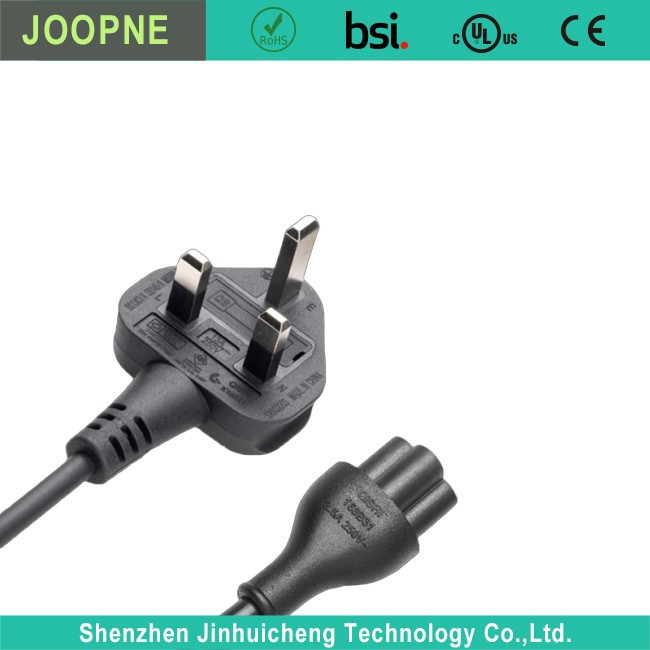
- Amperage Rating: Check the amperage rating of the power cord and ensure it is sufficient to handle the total current draw of the devices you plan to connect. You can find the amperage rating printed on the cord or its packaging. For high – wattage appliances like heaters or air conditioners, use a power cord with a higher amperage rating. You can explore a wide range of UK Power Cord options at UK Power Cord.
- Quality and Certification: Look for power cords that are made from high – quality materials and have been certified by relevant safety standards organizations. Certifications such as BS 1363 in the UK indicate that the cord has passed rigorous testing for safety and performance.
Avoid Overloading
To prevent overloading, follow these guidelines:
- Calculate the Total Load: Determine the total wattage of all the devices you want to connect to a single power cord. Divide the total wattage by the voltage (usually 230V in the UK) to get the total amperage. Make sure the total amperage does not exceed the amperage rating of the power cord.
- Use Multiple Outlets: Instead of plugging multiple high – wattage devices into a single power strip or extension cord, distribute them across different outlets. This helps to balance the electrical load and reduces the risk of overheating.
Inspect and Maintain Your Power Cords Regularly
Regular inspections can help you identify and address potential issues before they lead to overheating:
- Visual Inspection: Check your power cords for any signs of damage, such as cuts, frays, or kinks. If you notice any damage, replace the cord immediately. Do not attempt to repair a damaged power cord yourself, as this can be dangerous.
- Proper Storage: When not in use, store your power cords properly. Avoid coiling them too tightly, as this can cause internal damage and restrict ventilation. Instead, loosely coil the cords and secure them with a twist tie or a cord organizer.
Ensure Adequate Ventilation
Proper ventilation is essential for heat dissipation. Here’s how you can ensure your power cords have enough airflow:
- Avoid Bundling: Do not bundle multiple power cords together, especially if they are carrying high currents. Bundling can trap heat and cause the cords to overheat. If you need to run multiple cords in the same area, keep them separated to allow for proper ventilation.
- Keep Cords Away from Heat Sources: Do not place power cords near heat sources such as radiators, heaters, or direct sunlight. Excessive heat can damage the insulation and increase the risk of overheating.
Comparing with Other Power Cords
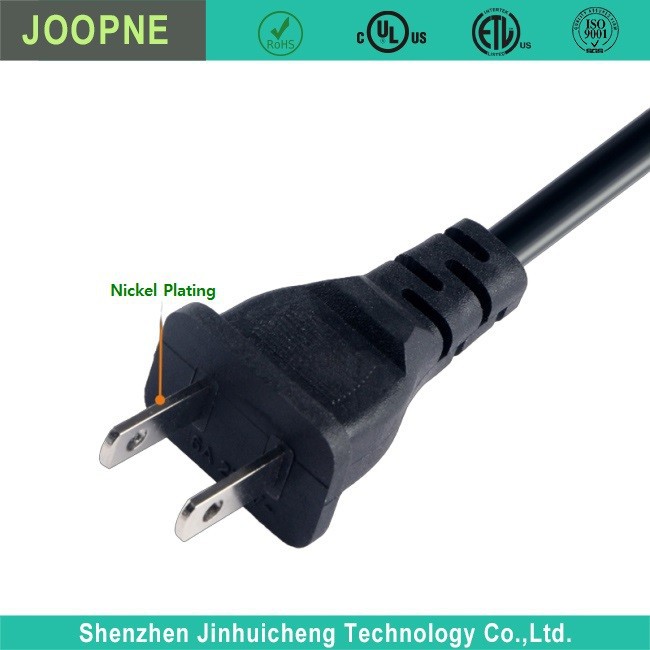
It’s interesting to note that different countries have different power cord standards. For example, US Power Cord and Korea Power Cord have their own unique features and requirements. The US power cord is typically rated for 120V and has a different plug configuration compared to the UK power cord. The Korea power cord also has its own distinct characteristics in terms of voltage and plug design. While the basic principles of preventing overheating apply to all power cords, it’s important to be aware of these differences when using power cords in different regions.
Conclusion
Preventing a UK power cord from overheating is crucial for the safety and longevity of your electrical devices. By choosing the right power cord, avoiding overloading, inspecting and maintaining your cords regularly, and ensuring adequate ventilation, you can significantly reduce the risk of overheating. As a UK Power Cord supplier, I’m committed to providing high – quality products and sharing valuable knowledge to help you use our power cords safely and efficiently.
If you have any questions about our UK Power Cord products or need further advice on preventing overheating, please feel free to reach out to us for a purchase negotiation. We look forward to serving you and meeting your power cord needs.
References
- Electrical Safety Council. (2023). Electrical Safety Advice.
- British Standards Institution. (2023). BS 1363: Specification for 13 A Socket – Outlets, Plugs and Adaptors.
