

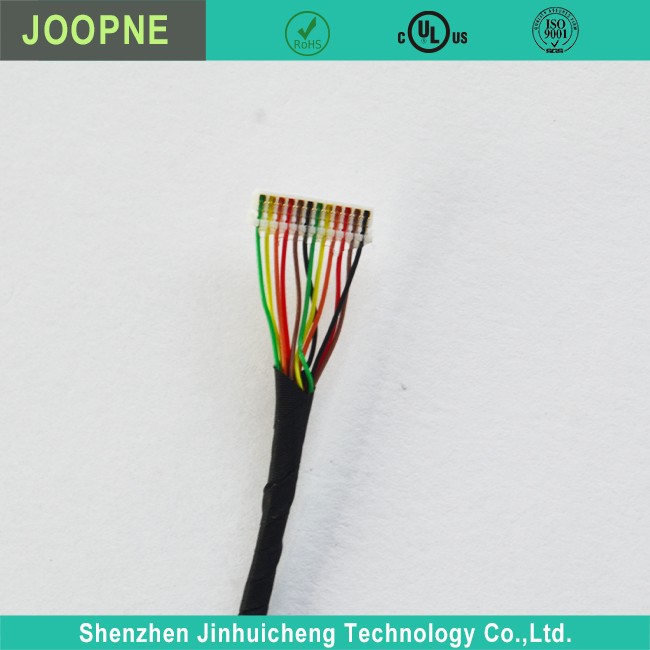

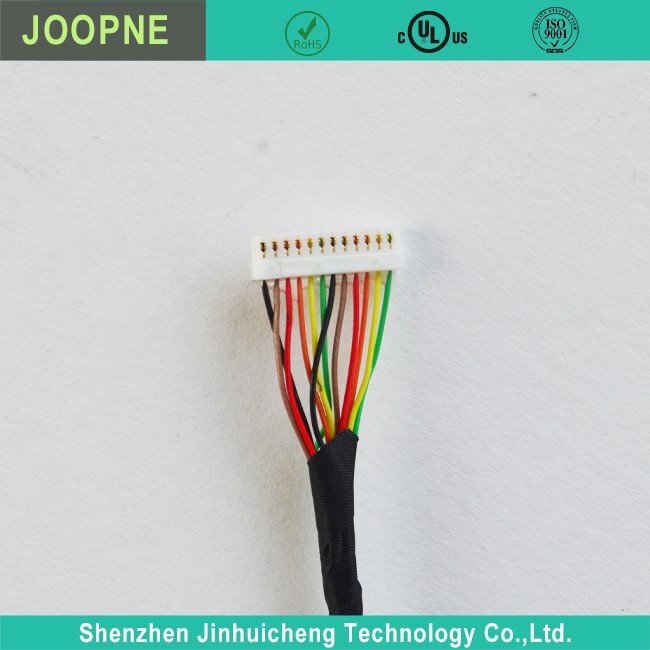
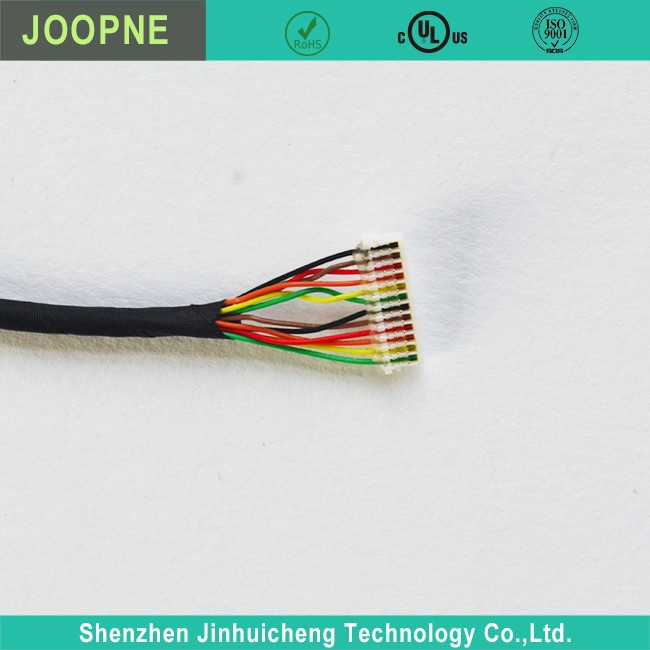
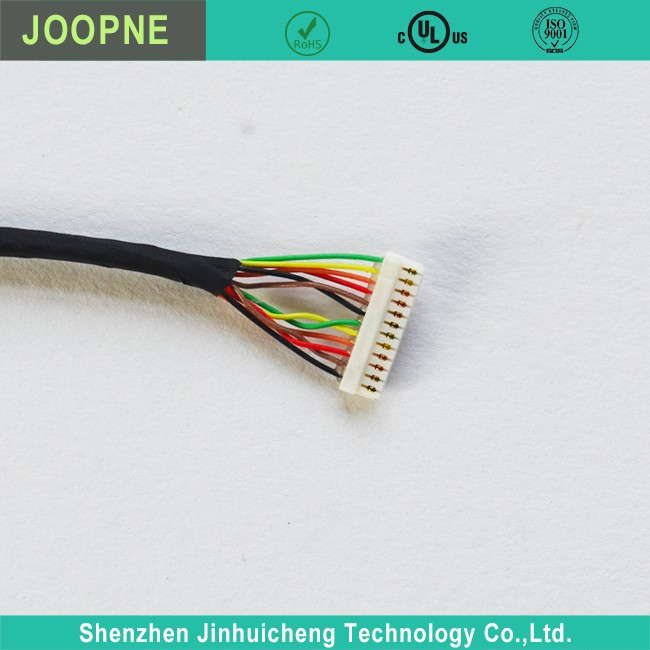
IDC Connector Terminal Cable
IDC connector terminal cable Description IDC connector terminal cable Parameter IDC connector terminal cable Introduction IDC (Insulation Displacement Connector) terminals are a type of electrical connector that allows wires to be connected without stripping the insulation. They work by using…
Product Introduction
IDC connector terminal cable Description
|
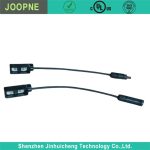
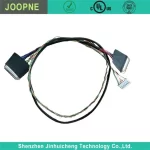
· Molded Connector |
|
· Different Fuction cable as Requirement |
|
· Suitable for All in One Computer use |
|
· UL listed for safety; IEC standard; TUV |
IDC connector terminal cable Parameter
|
Rated Voltage: |
12V-60V |
|
Rated Current: |
0.5A-3A |
|
Connector: |
Molded Connector |
|
Power Supply: |
Electric |
IDC connector terminal cable Introduction
IDC (Insulation Displacement Connector) terminals are a type of electrical connector that allows wires to be connected without stripping the insulation. They work by using metal blades that cut through the wire insulation and make contact with the bare conductor.
Some key points about IDC connector terminal cables:
• Convenience – They allow wires to be connected without stripping the insulation, which makes installation faster and easier.
• Reliability – When done properly, IDC connections can be as reliable as soldered or crimped connections.
• Low cost – IDC terminals are an inexpensive connection method.
• Limited current and voltage – IDC terminals are typically rated for lower current and voltage compared to soldered or crimped connections, especially for thinner wire gauges.
• Limited wire gauge range – IDC terminals are designed for a specific range of wire gauges, typically between 24 AWG and 16 AWG.
• Environment – IDC connections are not as durable in harsh environments with vibration, moisture, or high temperatures.
• Types – There are different types of IDC terminals for different applications, like pin headers, card edge connectors, and ribbon cable connectors.
So in summary, IDC connector terminal cables are a convenient and inexpensive way to connect wires, but they have limitations in terms of the current, voltage and environments they can be used in. They work best for low current, low voltage applications with thinner wire gauges in normal indoor environments.





Frequently Asked Questions
IDC connector terminal cable
How do I connect wires to an IDC terminal?
+
–
You simply insert the stripped end of the wire into the terminal. The metal blades inside will cut through the insulation and make contact with the conductor. Make sure to fully insert the wire and crimp or clamp the terminal to secure the connection.
Can I reuse an IDC terminal after disconnecting a wire?
+
–
In most cases, no. Once an IDC terminal has been used, the blades become deformed and will not make a reliable connection when reused.
What is the maximum wire gauge an IDC terminal can accommodate?
+
–
This depends on the specific IDC terminal. Common ranges are from 24 AWG up to 16 or 18 AWG wire. Heavier gauge wires require larger IDC terminals.
How do I know if my IDC connection is secure?
+
–
You should feel some resistance as you insert the wire into the terminal. If the wire pulls out easily, the connection is not secure. You can also gently tug on the wire after connecting – it should not come loose from a proper connection.
Can heat shrink tubing be used over IDC connections?
+
–
Yes! Using heat shrink tubing over IDC connections can improve insulation, strain relief and environmental protection. It is recommended to provide additional safety for exposed IDC connections.
Hot Tags: idc connector terminal cable, China idc connector terminal cable manufacturers, suppliers, factory, rf microwave cable, kabel flexible awm 20624, vacuum cleaner power cable, micro coaxial cable, ffc cable 4 pin, 4mm2 solar cable
Send Inquiry
