
What are the common problems with solar cables?
Dec 23, 2025
As a seasoned solar cable supplier, I’ve witnessed firsthand the pivotal role these cables play in the efficiency and longevity of solar power systems. Solar cables are the unsung heroes, silently transmitting the sun’s energy from panels to inverters and beyond. However, like any technology, they are not immune to problems. In this blog, I’ll delve into the common issues that solar cables encounter, offering insights based on my years of experience in the industry.
1. UV Degradation
One of the most prevalent problems with solar cables is UV degradation. Solar power systems are often installed outdoors, exposing the cables to prolonged sunlight. Ultraviolet (UV) rays can cause the outer jacket of the cable to deteriorate over time. This degradation manifests as cracking, brittleness, and discoloration of the cable’s insulation.
The consequences of UV degradation are far – reaching. A damaged outer jacket compromises the cable’s ability to protect the inner conductors. This leaves the conductors vulnerable to moisture, which can lead to corrosion and electrical shorts. To mitigate this issue, it’s crucial to use solar cables with high – quality UV – resistant jackets. Our 6mm Solar Cable is designed with a special UV – resistant material that significantly extends its lifespan in harsh sunlight conditions.
2. Temperature Fluctuations
Solar installations are subject to a wide range of temperatures, from scorching summer days to freezing winter nights. These temperature fluctuations can cause the cable material to expand and contract. Over time, this repeated expansion and contraction can weaken the cable’s insulation and conductor connections.
In high – temperature environments, the insulation can become soft and lose its mechanical strength. This increases the risk of short circuits and electrical failures. On the other hand, extremely low temperatures can make the cable insulation brittle, leading to cracking.
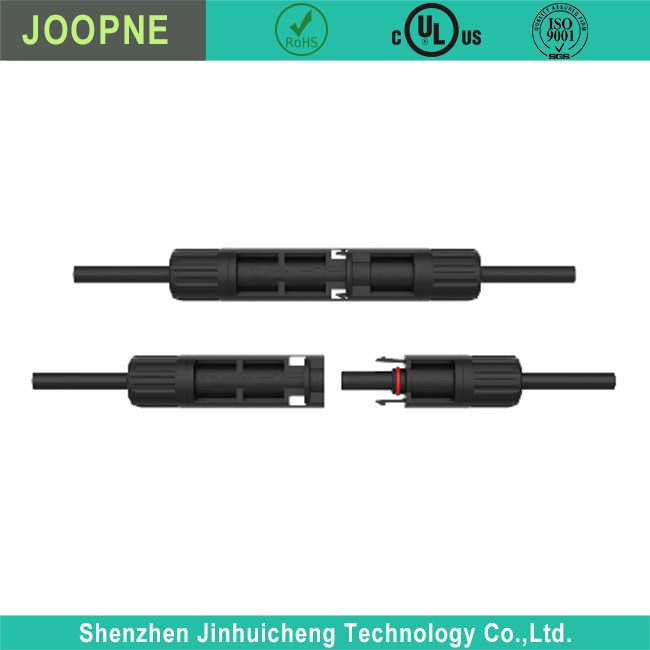
To address temperature – related problems, it’s essential to choose cables with a wide operating temperature range. Our cables are engineered to withstand extreme temperatures, ensuring reliable performance in diverse climates. For example, the MC4 Solar Cable is designed to function optimally in temperatures ranging from – 40°C to 90°C.
3. Mechanical Damage
Mechanical damage is another common problem in solar cable installations. During installation, cables can be accidentally pinched, cut, or crushed. Improper handling and routing can also lead to physical damage. In addition, the movement of panels due to wind or maintenance activities can cause stress on the cables, leading to abrasion and breakage.
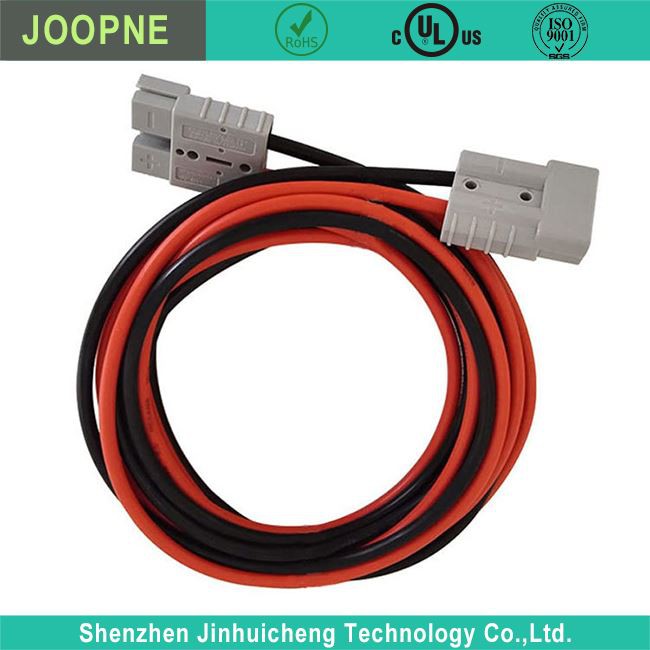
To prevent mechanical damage, proper installation practices are crucial. Cables should be installed in protected conduits or raceways, especially in areas where they are likely to be exposed to physical stress. Additionally, using high – durability cables can reduce the risk of mechanical failure. Our anderson Extension Cable is constructed with a tough outer sheath that provides excellent resistance to abrasion and impact.
4. Moisture Ingress
Moisture is a major enemy of solar cables. When moisture penetrates the cable’s insulation, it can cause corrosion of the conductors. Corroded conductors have higher resistance, which leads to power loss and overheating. In severe cases, moisture ingress can also cause electrical shorts, posing a safety hazard.
Moisture can enter the cable through damaged insulation, improper sealing of connectors, or condensation. To prevent moisture ingress, it’s important to ensure proper installation of cable connectors and use waterproofing materials. Our cables are designed with tight – fitting connectors and moisture – resistant insulation to minimize the risk of water penetration.
5. Connector Issues
Connectors are critical components in solar cable systems, but they are also prone to problems. Loose connections can occur due to vibration or improper installation. A loose connection increases resistance, which can lead to overheating and even fire.
Corrosion of connectors is another common issue, especially in coastal areas where the air is salty. Corroded connectors can disrupt the electrical flow and reduce the efficiency of the solar power system.
Regular inspection and maintenance of connectors are essential to prevent these problems. Using high – quality connectors and ensuring proper installation can significantly reduce the risk of connector – related failures. Our cables come with high – grade connectors that are designed to provide a secure and reliable connection.
6. Electrical Overloading
Electrical overloading occurs when the current flowing through the cable exceeds its rated capacity. This can happen if the solar power system is upgraded or modified without proper consideration of the cable’s ampacity. Overloading can cause the cable to overheat, which can damage the insulation and conductors.
To avoid electrical overloading, it’s important to size the cables correctly based on the expected current load. Our team of experts can assist you in selecting the appropriate cables for your solar power system to ensure safe and efficient operation.
7. Aging and Wear
Over time, all cables experience aging and wear. The insulation material can break down, and the conductors can become brittle. This natural aging process is accelerated by factors such as UV exposure, temperature fluctuations, and mechanical stress.
Regular inspection and replacement of aging cables are necessary to maintain the reliability of the solar power system. We recommend conducting a thorough inspection of your solar cables at least once a year. If you notice any signs of damage or aging, such as cracking, discoloration, or reduced insulation resistance, it’s time to replace the cables.
In conclusion, while solar cables are essential for the operation of solar power systems, they are prone to several common problems. By understanding these issues and taking proactive measures to prevent them, you can ensure the long – term performance and reliability of your solar installation.
If you are in the market for high – quality solar cables, we are here to help. Our extensive range of cables, including the anderson Extension Cable, MC4 Solar Cable, and 6mm Solar Cable, are designed to meet the highest industry standards. Contact us today to discuss your specific requirements and let’s start a fruitful partnership in the solar energy field.
References
- Handbook of Solar Energy, CRC Press
- Solar Power Systems Design and Installation Guide, McGraw – Hill Education
