

The Composition Of The Power Cord
Nov 20, 2023
The structure of the power cord is not very complicated, but don’t simply see through it from the surface, if you study the power cord well, some places still need to be professional to understand the structure of the power cord.
The structure of the power cord is mainly the outer sheath, the inner sheath, and the conductor, and the common transmission conductors are copper and aluminum wires.
Outer sheath
The outer sheath, also known as the protective sheath, is the outermost layer of the power cord sheath, this layer of the outer sheath plays the role of protecting the power cord, the outer sheath has strong characteristics, such as high temperature resistance, low temperature resistance, natural light interference, good winding performance, high service life, material environmental protection and other characteristics.
Inner sheath
The inner sheath, also known as the insulating sheath, is an indispensable intermediate structure part of the power line, and the main purpose of the insulating sheath is insulation, as the name suggests, to ensure the safety of the power line, so that there will be no leakage between the copper wire and the air, and the material of the insulating sheath should be soft to ensure that it can be well embedded in the middle layer.
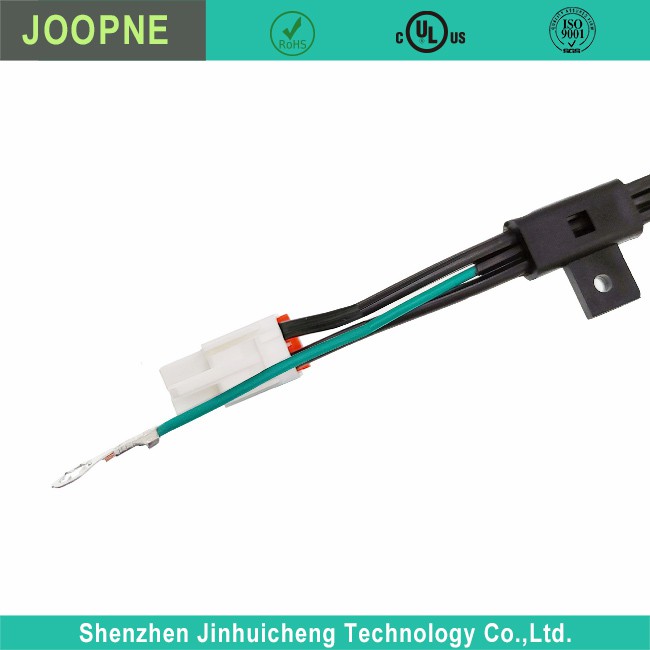
Copper wire
Copper wire is the core part of the power cord, copper wire is mainly the carrier of current and voltage, and the density of copper wire directly affects the quality of the power cord. The material of the power cord is also an important factor in quality control, and the quantity and flexibility of copper wire are also one of the factors considered. [1]
Inner sheath
The inner sheath is a layer of material that wraps the cable between the shield and the core, generally polyvinyl chloride plastic or polyethylene plastic. Low-smoke halogen-free materials are also available. Use it in accordance with the process regulations, so that the insulation layer will not be in contact with water, air or other objects, and avoid moisture in the insulation and mechanical damage to the insulation layer.
