
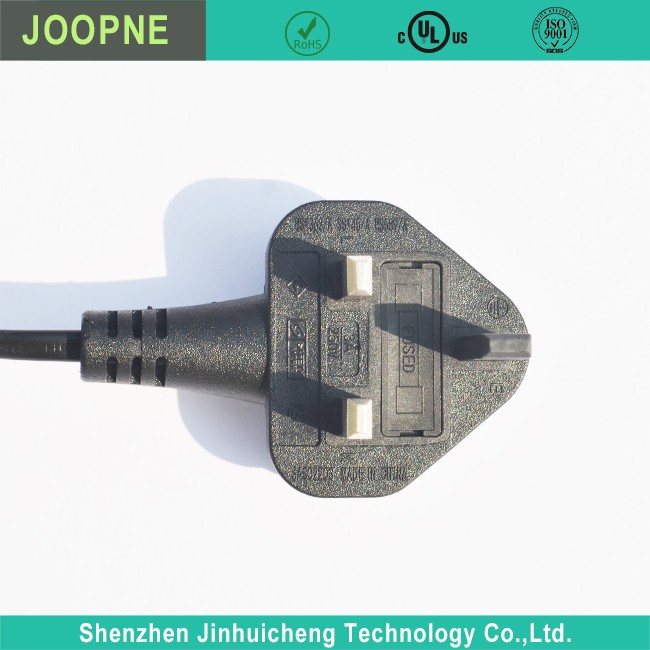

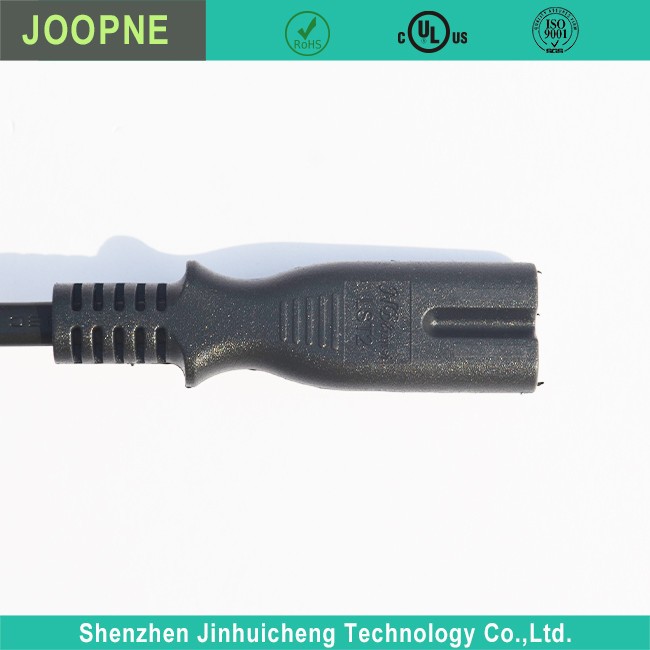
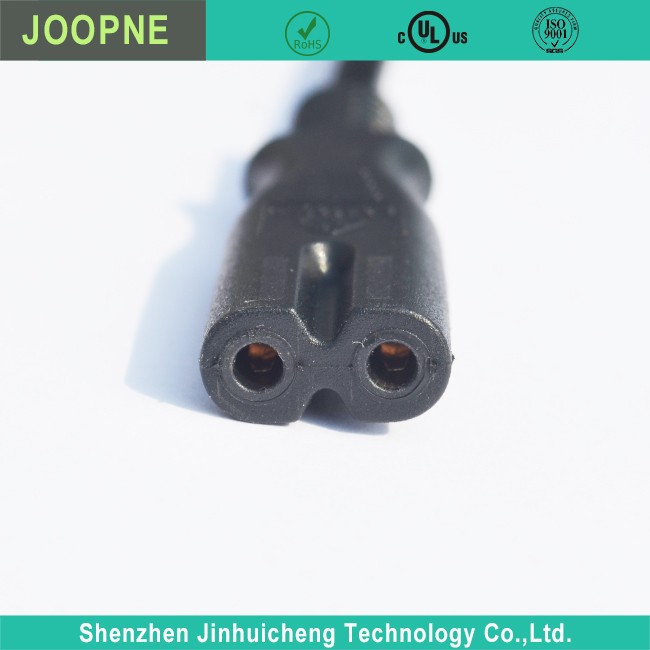
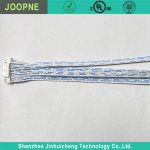
Two Prong Power Cable
Two Prong Power Cable Description Two Prong Power Cable Parameter Two Prong Power Cable Introduction; The voltage and current capabilities depend on several factors like wire gauge,…
Product Introduction
Two Prong Power Cable Description
|
· Molded |
|
· Different Fuction cable as Requirement |
|
· Suitable for Applicance use |
|
· UL listed for safety; IEC standard; TUV |
Two Prong Power Cable Parameter
|
Rated Voltage: |
100V-240V |
|
Rated Current: |
10A |
|
Connector: |
Molded |
|
Power Supply: |
Electric |
Two Prong Power Cable Introduction
Introduction:
The Two Prong Power Cable is a fundamental component in the world of electronics, providing a simple yet crucial link between devices and power sources. As a leading manufacturer of power cables, we pride ourselves on delivering high-quality, reliable products that meet the diverse needs of our customers.
Material and Construction:
Our Two Prong Power Cables are crafted using premium materials to ensure durability, safety, and optimal performance:
Conductors: High-purity copper wires for excellent conductivity
Insulation: PVC (Polyvinyl Chloride) or TPE (Thermoplastic Elastomer) for flexibility and electrical insulation
Outer Jacket: Robust PVC or TPE sheathing for protection against wear and tear
Plug: Molded plugs with brass or phosphor bronze prongs for corrosion resistance
These carefully selected materials contribute to the cable’s longevity and reliability in various environments.
Applications:
Two Prong Power Cables find extensive use in numerous applications, including:
• Home appliances: Lamps, radios, small kitchen appliances
• Office equipment: Printers, monitors, desktop computers
• Consumer electronics: TVs, gaming consoles, audio systems
• Power tools: Drills, sanders, battery chargers
• Medical devices: Non-critical equipment in healthcare settings
The versatility of these cables makes them indispensable in both residential and commercial settings.
Function and Benefits:
The primary function of a Two Prong Power Cable is to safely transfer electrical power from a wall outlet to a device. Key benefits include:
Simplicity: Easy to use and replace
Compatibility: Fits standard two-prong outlets in many countries
Space-saving: Ideal for tight spaces where a grounding prong isn’t necessary
Cost-effective: Generally more affordable than three-prong alternatives
Manufacturing Expertise:
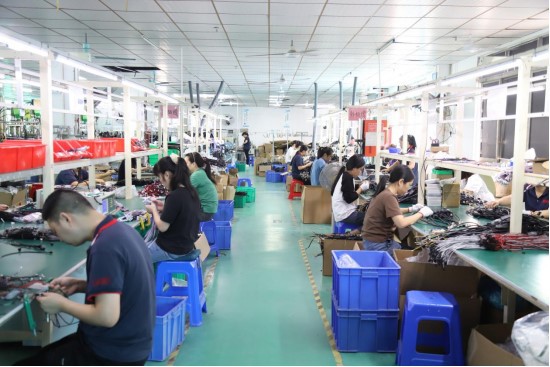
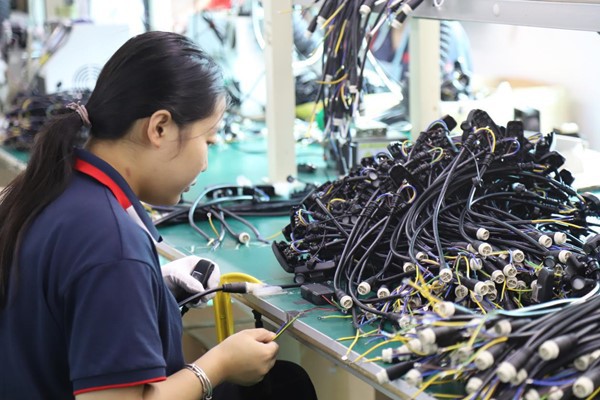
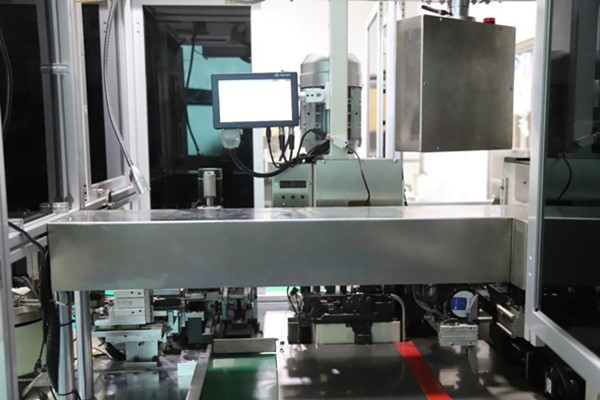
Our manufacturing process incorporates cutting-edge techniques to ensure consistent quality:
Precision wire cutting and stripping
Automated crimping for secure connections
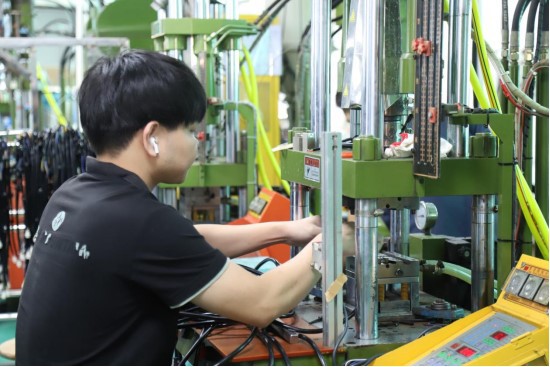
Injection molding for durable plug construction
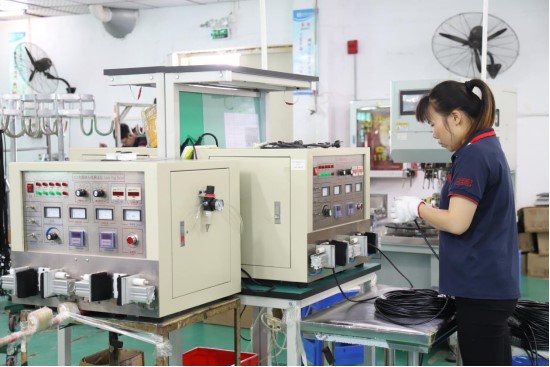
Rigorous quality control and testing at each production stage
This meticulous approach results in power cables that meet or exceed industry standards.
Competitive Advantages:
What sets our Two Prong Power Cables apart from competitors:
Superior material selection for enhanced durability
Advanced manufacturing processes ensuring consistent quality
Stringent quality control measures exceeding industry norms
Customization options to meet specific client needs
Comprehensive certification including UL, CE, and RoHS compliance
Benefits for Buyers:
Choosing our Two Prong Power Cables offers numerous advantages:
Reliability: Reduced risk of power interruptions or device damage
Longevity: Extended lifespan due to quality materials and construction
Safety: Adherence to international safety standards
Versatility: Suitable for a wide range of devices and applications
Cost-effectiveness: High-quality product at competitive pricing
Support: Dedicated customer service and technical assistance


Frequently Asked Questions
Two Prong Power Cable
What determines the voltage and current ratings of a power cord?
+
–
Several factors determine a power cord’s voltage and current capabilities: • Wire gauge – Thicker wires can handle higher currents. Wire gauges are measured in AWG (American Wire Gauge). • Number of conductors – More wires provide more current carrying capacity. • Internal insulation rating – Higher voltage insulation allows for higher operating voltages. • Fuse rating – The fuse must match or exceed the cord’s current rating to provide protection. • Manufacturer specifications – These list the maximum recommended voltage, current and power handling capacity.
What do certifications like UL, CCC and CE cover?
+
–
These certifications indicate the cord has passed certain safety tests related to electrical safety, durability and reliability. However, they do not guarantee the cord’s specific voltage/current ratings. You must check the manufacturer’s specifications for that information.
Are figure-eight cords more flexible?
+
–
Yes, figure-eight and spiral cord designs are typically more flexible than standard straight cords. This makes them more resistant to tangling, kinking and damage. However, signal quality can sometimes be slightly reduced.
What plug types are commonly used?
+
–
Common power cord plug types include: • NEMA (North America) • IEC/Euro (Europe) • BS 1363 (UK) • AS/NZS 3112 (Australia/NZ) • Various proprietary types
What voltage do UK power cords support?
+
–
Most power cords designed for use in the UK support 230V or 240V to match the UK electrical system. They have BS 1363 plugs to fit UK outlets. Cords designed for universal use support 100-240V.
Hot Tags: Two Prong Power Cable, China Two Prong Power Cable manufacturers, suppliers, factory, cctv audio video cable, 4mm2 solar cable, kettle power cord, video transmission cable, harness manufacturers, stripping shielded cable
Send Inquiry
