
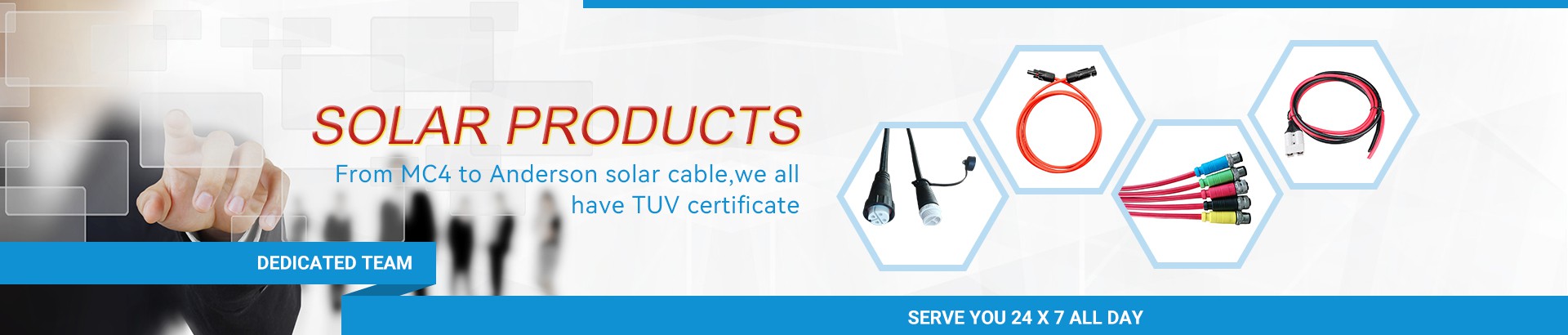
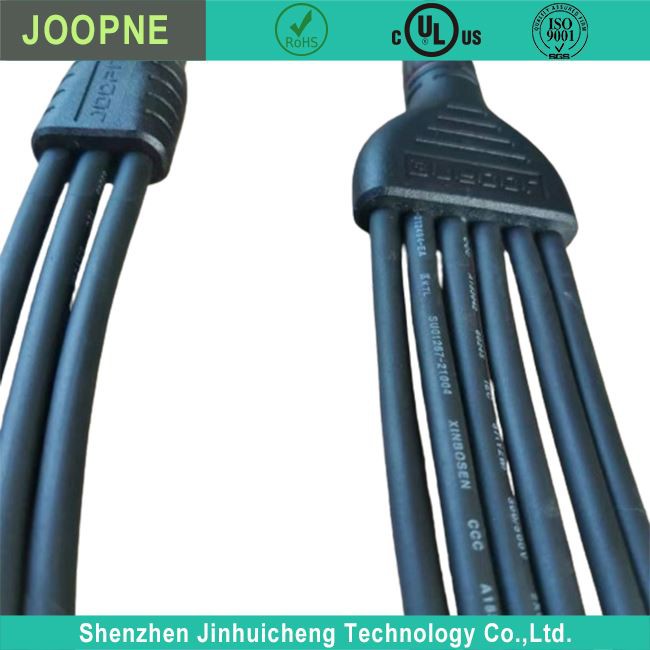

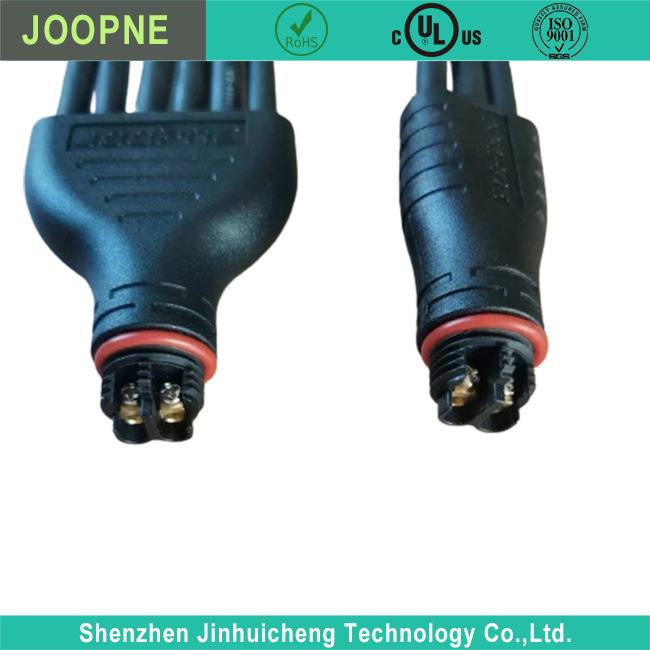
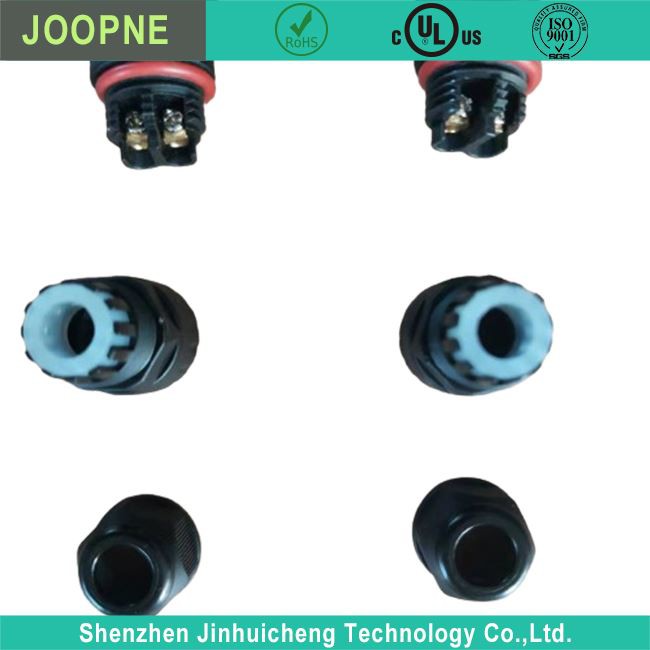
Outdoor Lighting Cable
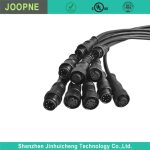
Outdoor Lighting Cable Description Outdoor Lighting Cable Parameter Outdoor Lighting Cable Introduction Outdoor lighting cables, specifically for low voltage landscape lighting, are designed to operate in various outdoor conditions. This Cable is Designed for Basketball Court,Football…
Product Introduction
Outdoor Lighting Cable Description

|
· IP68 Waterproof Resistant |
|
· Different OD Outdoor Lighting cable |
|
· Suitable for Football Field,Basketball Court Use |
|
· UL listed for safety; IEC standard; durable design for long-lasting strength and performance |
Outdoor Lighting Cable Parameter
|
Rated Voltage: |
300V-500V |
|
Cable Number: |
H05RN-F |
|
Connector Pin: |
2Pin to 10 Pin Depend On Demand |
|
Power Supply: |
Industrial Electric |
Outdoor Lighting Cable Introduction
Outdoor lighting cables, specifically for low voltage landscape lighting, are designed to operate in various outdoor conditions. This Cable is Designed for Basketball Court,Football Field,Square Etc. Use.Which is high voltage.Here are some key specifications and guidelines:
1. Cable Ratings: Outdoor lighting cables like the Romex® Brand SIMpull® Type NM-B Cable are rated for temperatures ranging from -20°C to +60°C and are suitable for low voltage applications up to 150 volts, as mentioned by Southwire,and this one is up to 500 volts.
2. Industry Guidelines: The Association of Outdoor Lighting Professionals (AOLP) provides comprehensive guidelines on low voltage landscape lighting systems. These guidelines cover everything from design to installation and maintenance, ensuring safe and efficient outdoor lighting projects .
3. Wire Gauge Selection: The thickness of the wire, known as the gauge, is crucial for carrying the electrical current over distances without significant voltage drop. Common wire gauges for landscape lighting systems include 10-, 12-, 14-, and 16-gauge. A lower gauge number indicates a thicker wire, which is capable of carrying current over longer distances.
4. Specific Product Specs: For instance, Southwire’s Low-Voltage Landscape Lighting SPEC 70827 mentions cables that are UL-rated for underground low-energy circuits and are RoHS compliant. They offer various gauges, including 16/2 (16 gauge with 2 conductors), 14/2, and 12/2, with the numbers indicating the wire gauge and the number of conductors. These cables are sunlight resistant and rated for 60°C at 150V or 30V .
For a specific project, it’s essential to choose a cable that matches the required electrical load, distance, and environmental conditions. It’s also important to comply with local electrical codes and standards.

Frequently Asked Questions
Everything You need to know About Outdoor Lighting Cable
1. What is the maximum voltage and current rating for your outdoor lighting cable?
+
–
The maximum voltage and current rating for an outdoor lighting cable can vary depending on the specific product and its design. Typically, outdoor lighting cables for landscape lighting are low voltage, usually rated for 12 to 24 volts, to minimize the risk of electric shock and to comply with safety standards. The current rating would depend on the wire gauge; for example, a 12-gauge wire might safely carry up to 20 amperes, while a 16-gauge wire might be limited to around 10 amperes.
It’s essential to check the product specifications or consult with the manufacturer for the exact ratings of your particular outdoor lighting cable. These ratings ensure that the cable can handle the electrical load without overheating or posing a fire risk. Always adhere to these specifications and local electrical codes when installing or using the cable.
2. What kind of insulation is used to protect your cables from outdoor elements?
+
–
Outdoor lighting cables are typically insulated with materials that are resistant to moisture, temperature changes, and physical wear. Common insulation materials include:
– Polyvinyl Chloride (PVC): A popular choice for its moisture resistance and flexibility. It’s also UV resistant, which is crucial for outdoor applications.
– Cross-linked Polyethylene (XLPE): Known for its high dielectric strength and excellent resistance to heat, abrasion, and chemicals. XLPE is often used in direct burial applications where higher levels of protection are needed.
– Rubber: Offers good flexibility and water resistance, making it suitable for outdoor conditions where cables might need to bend around corners or obstructions.
– Teflon (PTFE): Known for its ability to withstand extreme temperatures and chemical exposure, though it is less common due to higher costs.
The choice of insulation material impacts the cable’s durability, performance, and suitability for different environmental conditions. It’s important to select a cable with insulation that meets the specific needs of the outdoor environment where it will be used.
3. How does your outdoor lighting cable handle extreme temperatures?
+
–
Outdoor lighting cables are engineered to withstand a range of temperature extremes, from very cold to very hot conditions. Here’s how they are typically designed to handle such environments:
– Material Adaptability: The insulation materials used, such as PVC or XLPE, have a wide temperature operating range. For example, they can often handle temperatures as low as -20°C and as high as 75°C or even higher in some cases.
– Thermal Stability: The cable’s materials are chosen for their thermal stability, meaning they maintain their physical properties over a broad temperature range without melting, becoming brittle, or degrading.
– Expansion and Contraction: Cables are designed to account for thermal expansion and contraction. This ensures that the cable won’t become too tight or too loose as temperatures change, which could lead to structural damage or a reduction in performance.
– UV Resistant: For extreme heat situations, especially with direct sunlight exposure, the outer jacket of the cable is often treated to be UV resistant to prevent degradation from the sun’s rays.
– Moisture Resistance: In cold environments where ice and thawing are concerns, the insulation is also resistant to moisture ingress, which could otherwise freeze and cause cracking or other damage.
When selecting an outdoor lighting cable for your needs, it’s important to check the product specifications for the exact temperature range it can handle to ensure it is suitable for your climate and application.
4. Why is UV resistance important in outdoor lighting cables, and does your product offer it?
+
–
UV resistance is crucial for outdoor lighting cables because ultraviolet (UV) rays from the sun can cause non-resistant materials to degrade over time. This degradation can manifest as cracking, brittleness, or a loss of tensile strength, which compromises the cable’s integrity and safety. UV-resistant cables are treated with stabilizers or constructed with materials designed to withstand prolonged exposure to sunlight, preventing this type of damage and extending the life of the cable.
As for your product, if it is indeed an outdoor lighting cable designed for exposure to the elements, it should offer UV resistance. This is typically a standard feature for outdoor-rated cables due to the nature of their application. However, it is always best to confirm by checking the product specifications or manufacturer’s documentation to ensure that UV resistance is explicitly stated and tested according to relevant industry standards.
5. What measures are in place to ensure your cable is waterproof and submersible?
+
–
For an outdoor lighting cable to be waterproof and submersible, it must have several protective features:
1. Waterproof Insulation: The cable is typically insulated with materials that are impervious to water, such as rubber, PVC, or XLPE.
2. Sealed Jacket: A tough outer jacket surrounds the insulated wires, which is also resistant to water and moisture penetration.
3. Watertight Construction: The cable’s construction is designed to prevent water from entering the cable, even if submerged.
4. Gel-filled or Water-blocking Tape: Some cables include a gel-filled construction or are wrapped with water-blocking tape inside the jacket to block water penetration and protect the conductors.
5. Direct Burial Rating: Cables meant for underground use are often rated for direct burial and are tested to ensure they can withstand being in wet environments for extended periods without degradation.
6. Corrosion Resistance: The conductive materials are chosen for their resistance to corrosion when in contact with water.
7. Molded Plug and Socket Connections: For cables that need to connect to lighting fixtures or other cables, the connections are often molded and sealed to prevent water ingress.
8. Testing and Certification: Cables are tested for submersion in water according to certain standards (like IP68) to ensure they meet waterproofing criteria.
It’s important to check the specifications of your outdoor lighting cable to ensure that it has these features if you require a cable that is waterproof and submersible.
Hot Tags: outdoor lighting cable, China outdoor lighting cable manufacturers, suppliers, factory, british power cord, cctv camera extension cable, mc4 solar cable, aus power cable, rv battery wire gauge, cable and harness assembly
Send Inquiry
