
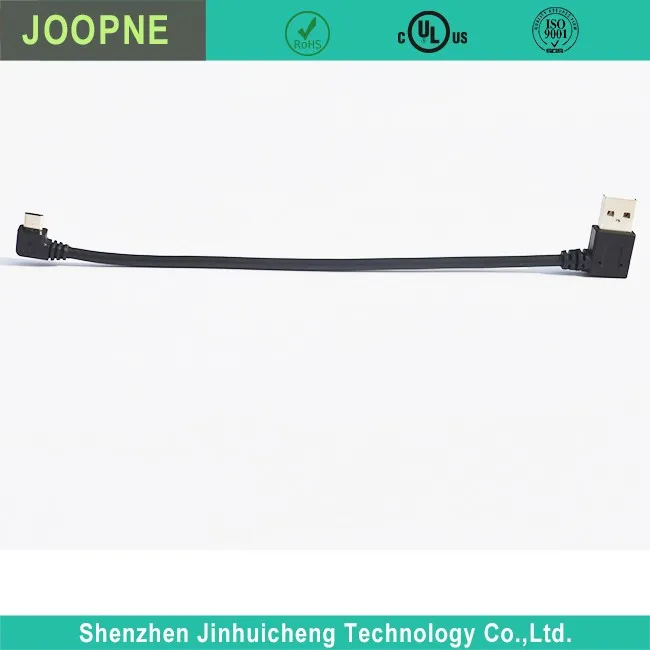

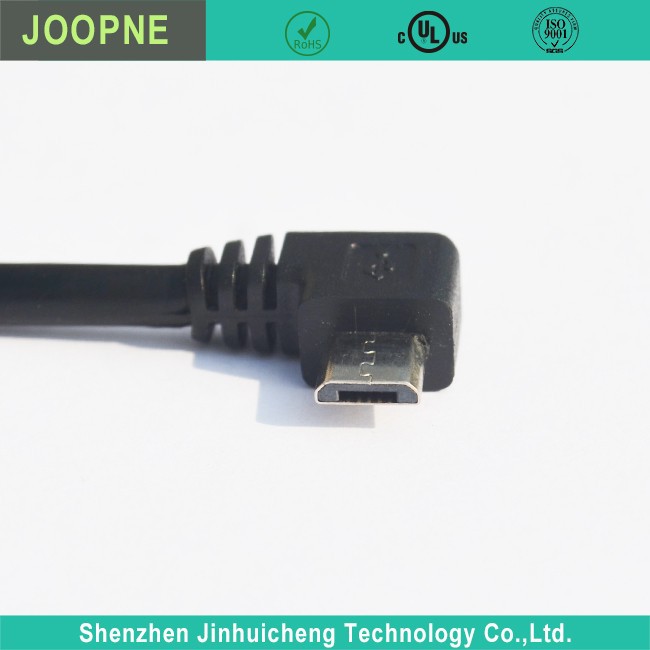
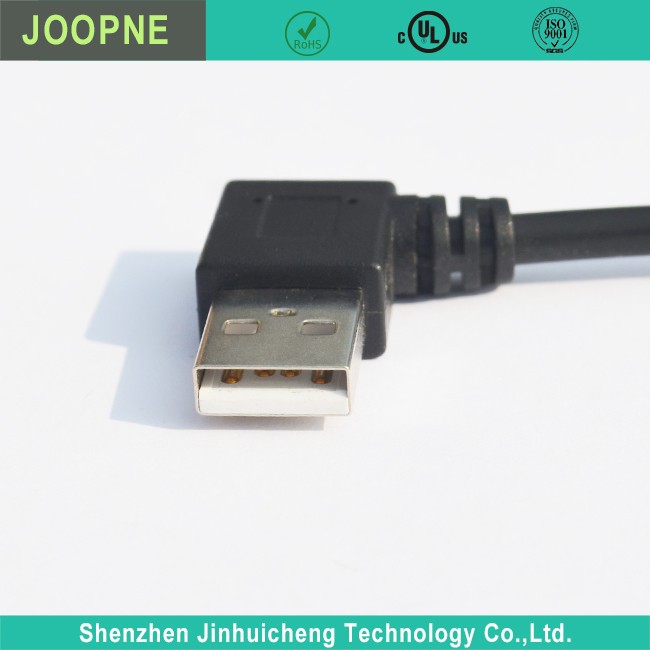
Elbow Cable
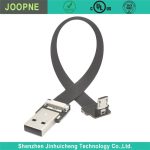
USB A to Micro Elbow Cable Description USB A to Micro Elbow Cable Parameter USB A to Micro Elbow Cable Introduction USB cables have 4 wires – two for power (VCC and GND) and two for data (D+ and D-). • The USB specification defines a standard voltage of 5V for USB devices. So most USB…
Product Introduction
Elbow Cable Description
|
· Molded |
|
· Different Fuction cable as Requirement |
|
· Suitable for DATA use |
|
· UL listed for safety; IEC standard; TUV |
Elbow Cable Parameter
|
Rated Voltage: |
5V |
|
Rated Current: |
0.5A-3A |
|
Connector: |
Molded |
|
Power Supply: |
Electric |
Elbow Cable Introduction
Material and Building and construction
Elbow cables are engineered utilizing top quality materials to make certain sturdiness, flexibility, and optimal performance in restricted spaces. The core conductors are typically made of copper or copper alloy, known for their exceptional electric conductivity. The cord insulation is generally composed of products such as PVC (Polyvinyl Chloride), XLPE (Cross-Linked Polyethylene), or TPE (Thermoplastic Elastomer), depending upon the certain application demands.
The specifying function of elbow cords is their pre-formed 90-degree bend, which is meticulously engineered to keep signal stability and protect against damages to the inner conductors. This bend is typically reinforced with extra insulation or safety layers to make sure lasting integrity.
Applications
Elbow wires find usage in a variety of applications throughout numerous industries:
Automotive: Made use of in tight engine areas and car body panels Aerospace: Perfect for airplane wiring in confined areas Industrial Automation: Perfect for control panels and machinery with minimal room Telecommunications: Employed in data centers and network installments Consumer Electronic Devices: Made use of in compact devices and appliances Clinical Devices: Ideal for clinical imaging gadgets and diagnostic equipment Feature and Efficiency
The key function of Elbow wires is to supply a trustworthy electric link in applications where area is minimal or a dogleg is required. The pre-formed 90-degree bend enables neat and organized wire routing, lowering strain on the conductors and minimizing the danger of damages throughout installation or operation.
Elbow wires can be designed to take care of numerous voltage and existing needs, making them appropriate for both power and signal transmission applications. The very carefully engineered bend makes sure that signal honesty is preserved, even in high-frequency or delicate data transmission situations.
Manufacturing Experience
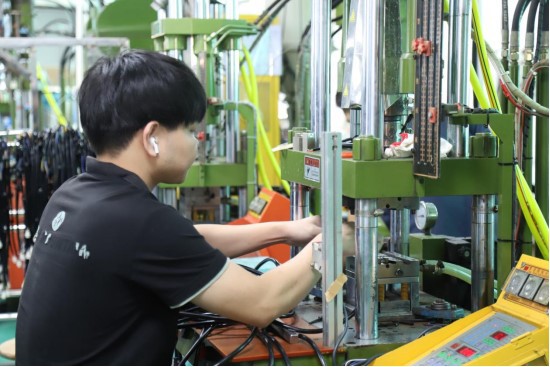
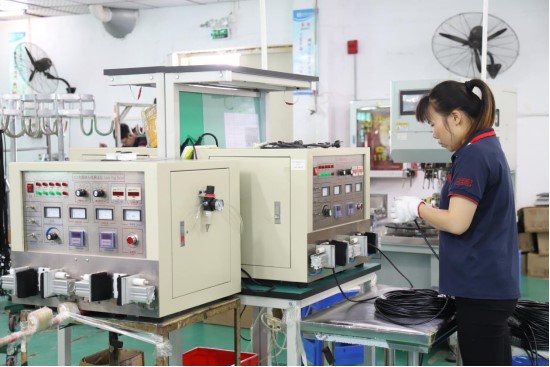
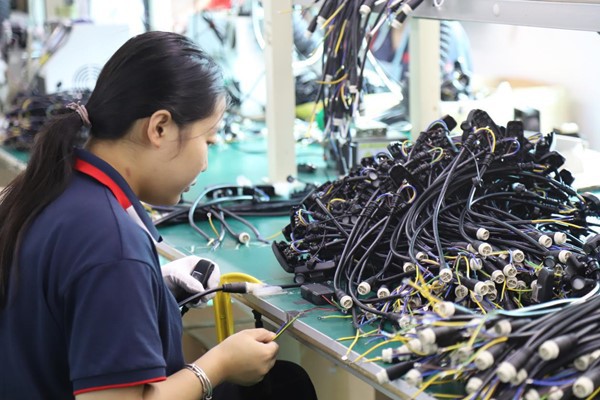
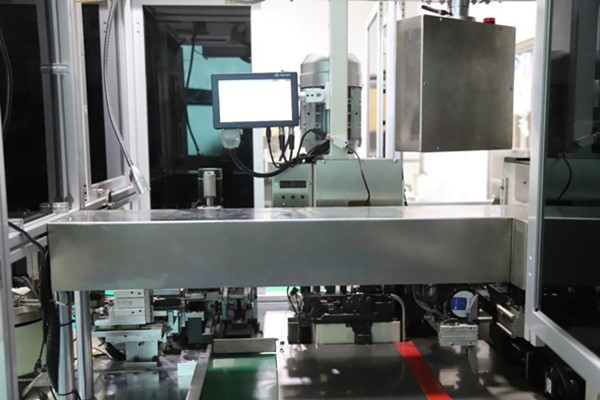
Our sophisticated manufacturing process makes sure the finest and consistency in every elbow cable we create. Secret aspects of our manufacturing proficiency consist of:
Accuracy bending techniques to accomplish a consistent 90-degree angle Customized tooling for various cord sizes and kinds Advanced insulation and jacketing procedures for optimal protection Strenuous high quality control procedures, consisting of bend distance testing and electrical efficiency verification Customization alternatives for conductor count, length, and connector types Competitive Benefits
Elbow cords provide several benefits over typical straight cable televisions:
Space-Saving Design: Suitable for limited installations where basic cables will not fit Lowered Pressure: Pre-formed bend gets rid of tension on conductors during installment Boosted Aesthetics: Cool and organized cable routing in noticeable setups Versatility: Ideal for a variety of applications across several industries Time-Saving: Easier setup in challenging environments Benefits for Buyers
Picking our Elbow cable televisions gives many benefits for customers:
Simplified Installment: Pre-formed bend reduces installation time and complexity Price Savings: Reduced danger of cord damage results in reduce maintenance and replacement expenses Boosted Item Layout: Enables even more compact and effective item formats Improved Integrity: Engineered bend preserves signal stability and reduces wear Personalization: Readily available in numerous arrangements to meet details project requirements




Frequently Asked Questions
USB A to Micro Elbow Cable
What is the maximum voltage and current for a USB cable?
+
–
The USB specification defines 5V as the standard voltage for USB devices. So most USB cables can provide up to 5V. The maximum current a standard USB port can provide is 500 mA or 0.5A. Some high-power USB ports can provide up to 2.4A or 3A.
What are the different types of USB connectors?
+
–
The main USB connector types are: USB-A, USB-B, USB-Mini B, USB-Micro B, and USB-C. USB-A is the most common connector that plugs into your computer. USB-B is used for printers, scanners and some older devices. USB-Micro B and Mini B are used in smartphones and tablets. USB-C is the newest reversible connector.
What is the purpose of the shielding in some USB cables?
+
–
Some longer USB cables, especially high-speed USB cables, have shielding to reduce electromagnetic interference and signal loss. The shielding helps ensure a strong data connection and transfer rate over longer distances.
Can I use any USB cable with any USB device?
+
–
Not always. The connectors must match – for example a USB-A to Micro USB cable for a smartphone. Also, some devices require high-speed or high-power cables to support their data transfer speeds and power needs. So using the correct cable for your specific device is important.
How long can a USB cable be and still work properly?
+
–
In theory, USB cables can be up to 5 meters (16 feet) long and still work according to the USB specification. In practice, cable quality, shielding and device compatibility can affect the maximum reliable cable length. For most devices, cables shorter than 3 meters tend to work best.
Hot Tags: Elbow Cable, China Elbow Cable manufacturers, suppliers, factory, uk power cable, mmcx to bnc, jump start cable amp, shielded fpc cable, lvds 1ch 6bit 30 pin, Golf Cart Battery Cables
Send Inquiry
