

How to enhance the mechanical strength of FFC Flat Cable?
Jan 14, 2026
Hey there! As a supplier of FFC flat cables, I’ve been getting a lot of questions lately about how to enhance the mechanical strength of these cables. It’s a crucial topic, especially when you’re relying on FFCs for various applications where they might face some tough conditions. So, I thought I’d share some insights on this.
First off, let’s understand why mechanical strength matters. FFC flat cables are used in a wide range of devices, from consumer electronics like laptops and smartphones to industrial equipment. In these applications, the cables need to withstand bending, twisting, and tension without breaking or losing their conductivity. If the cables don’t have sufficient mechanical strength, they can malfunction, leading to downtime and potentially costly repairs.
One of the most effective ways to enhance the mechanical strength of FFC flat cables is by choosing the right materials. The base materials of an FFC cable mainly include the insulation layer and the conductive layer. For the insulation layer, materials like polyester (PET) are commonly used. However, not all PETs are created equal. High – quality PET with a proper thickness can significantly improve the cable’s resistance to bending and abrasion. When you’re looking for a more durable option, specialty polymers with enhanced mechanical properties can be considered. They can provide better protection to the conductive layer inside, ensuring that the cable can handle more stress.
As for the conductive layer, copper is the go – to material. But again, the purity and thickness of the copper can make a big difference. Higher – purity copper has better electrical conductivity and also tends to be more ductile, which means it can be bent and shaped without breaking easily. We can increase the thickness of the copper layer slightly. This not only boosts the cable’s mechanical strength but also its current – carrying capacity, which can be useful in applications that require high – power transmission.
Another key factor in enhancing mechanical strength is the manufacturing process. A well – made FFC cable has a uniform structure. During the lamination process, where the insulation layer and the conductive layer are bonded together, precise control is essential. If there are any air bubbles or uneven bonding, it can weaken the cable at those points. Using advanced manufacturing equipment and strict quality control measures can ensure that each cable is produced with a consistent and reliable structure.
Some extra features can also be added during the manufacturing process to enhance mechanical strength. For example, adding a reinforcement layer to the cable. This can be a thin layer of fiberglass or another strong material that is placed either on the outside or between the existing layers of the cable. The reinforcement layer acts as a sort of armor, providing additional support and protection against external forces.
The design of the FFC cable itself also plays an important role. The pitch of the cable (the distance between the conductors) can affect its flexibility and strength. A smaller pitch generally means more conductors in a given width, which can make the cable more fragile. So, when designing a cable for applications that require high mechanical strength, a slightly larger pitch might be a better choice.
Also, the shape of the cable end can be optimized. Rounded or beveled ends are more likely to resist wear and tear compared to sharp – edged ones. This is because sharp edges are more prone to damage when the cable is inserted or removed from connectors.
Now, let’s talk about some real – world examples of FFC cables with enhanced mechanical strength. We have our USB FFC Cable which is designed to meet the demanding requirements of USB connections. These cables are used in many electronic devices, and they need to be able to withstand repeated plugging and unplugging. By using the right materials and manufacturing techniques, we’ve ensured that our USB FFC cables have excellent mechanical strength and can last for a long time.
Our FFC Screen Cable is another product that requires high mechanical strength. In screen applications, the cable has to be bent and positioned in various ways to connect the screen to the main board. Thanks to our focus on material selection and design optimization, this cable can handle the bending and movement without losing its performance.
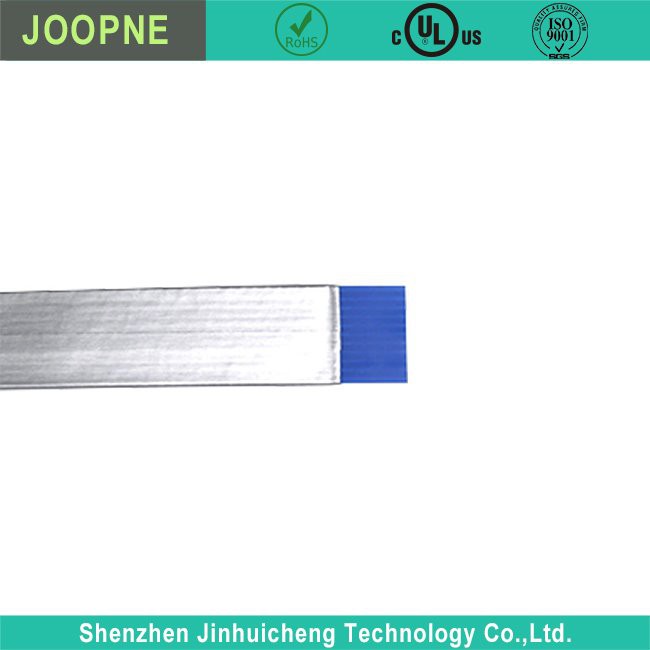
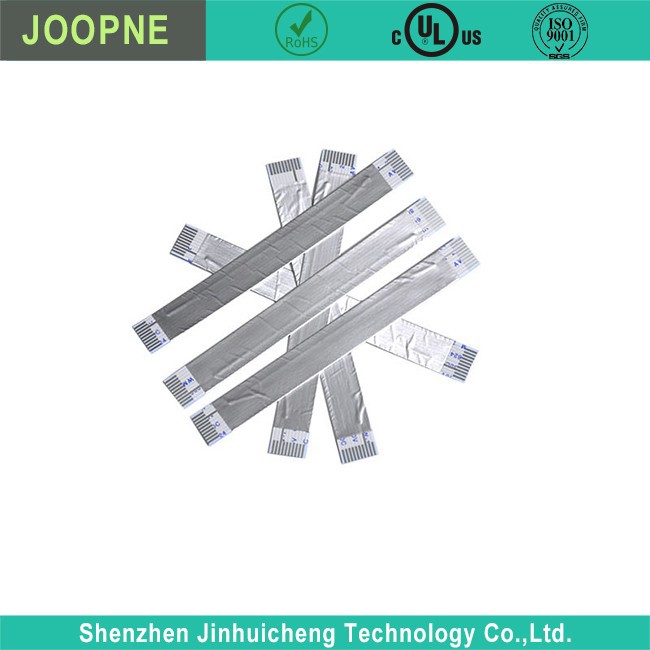
And then there’s our Shielded FFC Cable. In addition to providing electromagnetic shielding, this cable is also designed to be mechanically strong. The shielding layer itself can add some extra protection and strength to the cable, and combined with other strength – enhancing features, it’s a reliable solution for applications where both signal integrity and mechanical durability are important.
If you’re in need of high – strength FFC flat cables for your project, don’t hesitate to reach out. We’re here to help you find the right cable that meets your specific requirements. Whether it’s for a small – scale consumer product or a large – scale industrial application, we have the expertise and the products to ensure your success. Just drop us a line, and we can start a discussion about your needs and how we can provide the best FFC cable solutions for you.
References
- "Handbook of Flexible Flat Cable Technology", various industry experts
- Research papers on cable materials and manufacturing processes from leading academic institutions
