
How does the HDMI FFC cable perform in low – light environments?
Dec 10, 2025
In the world of digital connectivity, HDMI FFC cables have emerged as a crucial component for transmitting high – definition audio and video signals. As a supplier of HDMI FFC cables, I am often asked about their performance in various environments, including low – light conditions. In this blog, we will delve into how HDMI FFC cables perform in low – light environments and explore the technical aspects that contribute to their functionality.
Understanding HDMI FFC Cables
Before discussing their performance in low – light environments, it’s essential to understand what HDMI FFC cables are. HDMI, or High – Definition Multimedia Interface, is a standard for transmitting uncompressed high – definition video and multi – channel audio data. FFC, on the other hand, stands for Flexible Flat Cable. An HDMI FFC cable combines the high – definition transmission capabilities of HDMI with the flexibility and thin profile of FFC technology.
The flexibility of FFC cables makes them ideal for applications where space is limited or where the cable needs to be bent or routed in tight spaces. They are commonly used in consumer electronics such as laptops, tablets, and televisions, as well as in industrial and automotive applications.
The Impact of Low – Light Environments on Cables
Low – light environments themselves do not directly affect the electrical performance of HDMI FFC cables. Unlike optical cables that rely on light for signal transmission, HDMI FFC cables use electrical signals to carry data. However, low – light conditions can have an indirect impact on the cables through the devices they are connected to.
In low – light environments, devices may adjust their display settings to optimize visibility. For example, a television might increase its contrast ratio or brightness. These adjustments can put additional strain on the HDMI FFC cable as it needs to transmit a higher volume of data to support the enhanced display settings. If the cable is not of high quality, it may struggle to handle the increased data load, resulting in signal degradation such as pixelation, color distortion, or loss of audio.
Technical Features that Enhance Performance in Low – Light Scenarios
Signal Integrity
One of the most critical factors for HDMI FFC cable performance in any environment, including low – light conditions, is signal integrity. High – quality HDMI FFC cables are designed with features that minimize signal loss and interference. They use high – purity copper conductors, which have excellent electrical conductivity and can transmit signals over long distances with minimal attenuation.
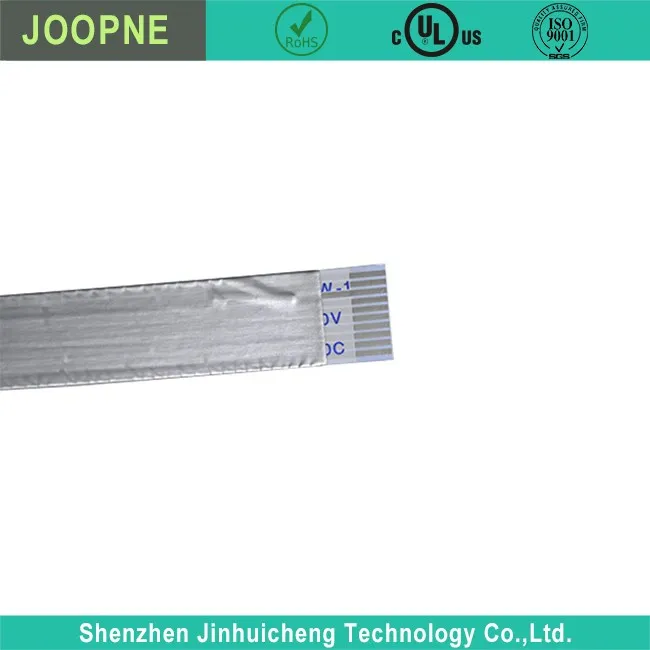
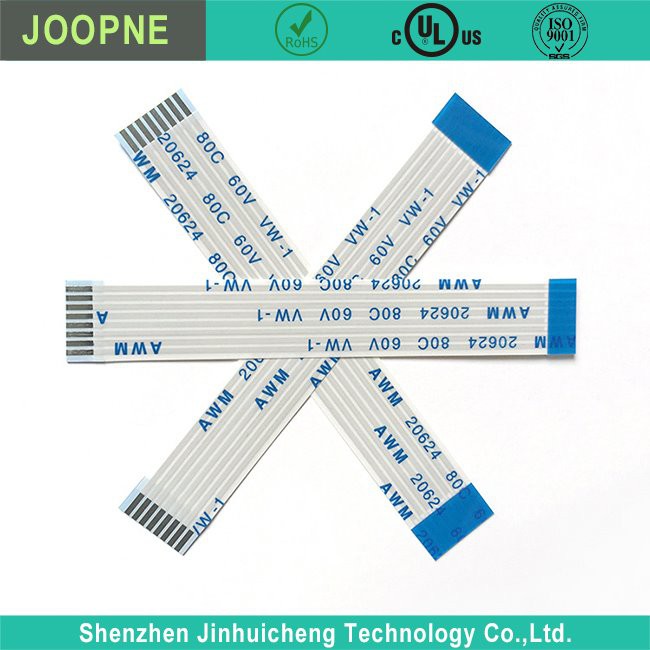
Additionally, many HDMI FFC cables are shielded to protect against electromagnetic interference (EMI) and radio – frequency interference (RFI). Shielded FFC Cable is particularly important in low – light environments where devices may be operating in close proximity to other electronic components that can generate interference.
Bandwidth
Bandwidth is another key factor in determining how well an HDMI FFC cable can perform in low – light scenarios. As devices adjust their display settings in low – light conditions, they may require a higher bandwidth to transmit the additional data. HDMI FFC cables with higher bandwidth capabilities can handle these increased data requirements more effectively, ensuring a smooth and uninterrupted transmission of high – definition audio and video signals.
Flexibility and Durability
In low – light environments, cables may need to be installed or adjusted in tight spaces or awkward positions. The flexibility of FFC cables allows for easy installation and routing, even in confined areas. Moreover, high – quality HDMI FFC cables are designed to be durable, with strong insulation and flexible conductors that can withstand repeated bending and twisting without breaking or losing signal integrity.
Real – World Applications in Low – Light Environments
Home Theater Systems
In a home theater setup, low – light conditions are often preferred to enhance the viewing experience. HDMI FFC cables are used to connect various components such as Blu – ray players, gaming consoles, and streaming devices to the television. A high – quality HDMI FFC cable ensures that the high – definition video and audio signals are transmitted without any loss or distortion, even when the television is adjusted to its optimal settings for low – light viewing.
Automotive Displays
Automotive displays are often used in low – light environments, especially at night. HDMI FFC cables are used to connect infotainment systems, rear – view cameras, and other display devices in vehicles. These cables need to be able to perform reliably in the harsh automotive environment, which includes temperature variations, vibrations, and electromagnetic interference. The flexibility and durability of HDMI FFC cables make them well – suited for these applications.
Industrial Control Panels
Industrial control panels are often located in areas with low lighting. HDMI FFC cables are used to connect monitors and other display devices to control systems. In these environments, the cables need to be able to transmit high – quality signals over long distances and withstand the rigors of industrial use, such as dust, moisture, and mechanical stress.
Choosing the Right HDMI FFC Cable for Low – Light Environments
When selecting an HDMI FFC cable for low – light environments, there are several factors to consider:
- Cable Length: Longer cables may experience more signal loss, so it’s important to choose a cable that is the appropriate length for your application.
- Bandwidth: Make sure the cable has sufficient bandwidth to support the high – definition video and audio signals required by your devices.
- Shielding: Opt for a Shielded FFC Cable to protect against electromagnetic and radio – frequency interference.
- Quality and Durability: Look for cables that are made from high – quality materials and have a reputation for reliability.
As a supplier of HDMI FFC cables, we offer a wide range of products that are designed to meet the needs of various applications in low – light environments. Our FFC Flat Cable and FFC Screen Cable are manufactured using the latest technology and high – quality materials to ensure optimal performance and durability.
Conclusion
In conclusion, HDMI FFC cables can perform exceptionally well in low – light environments when they are of high quality and properly selected for the application. While low – light conditions do not directly affect the electrical performance of the cables, they can indirectly impact the signal transmission through the devices they are connected to. By choosing a cable with high signal integrity, sufficient bandwidth, and proper shielding, you can ensure a reliable and high – quality transmission of high – definition audio and video signals in any low – light environment.
If you are interested in purchasing HDMI FFC cables for your low – light applications, we invite you to contact us for more information and to discuss your specific requirements. Our team of experts is ready to assist you in finding the right cable solution for your needs.
References
- "HDMI Specification" – HDMI Licensing, LLC
- "Flexible Flat Cable (FFC) Technology" – Industry research reports on cable technology
- "Electromagnetic Interference in Cables" – Journal of Electrical Engineering and Electronics
