

USB4.0 that you may not fully understand
Feb 02, 2024
The Role and Development of USB Technology
The USB interface plays an irreplaceable role in various aspects, such as short-distance hardware communication and hardware power supply. Our quality of life has been greatly improved by new technologies. Coupled with the popularization of USB Type-C technology, USB is once again at the forefront. This article mainly analyzes the development history of USB, the USB4.0 pinout diagram, and the advantages of USB4.0, among other aspects.
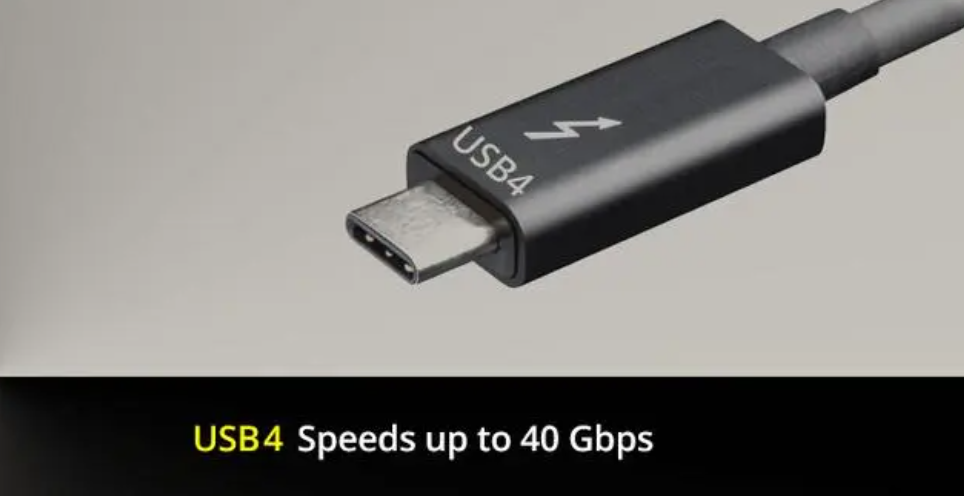
USB Technology Development
1,USB 1.0
The transmission speed of USB 1.0 is only 1.5 Mbps. After years of development by technicians, USB 1.0 was upgraded to USB 1.1 in 1998, with a significant speed increase to 12 Mbps. The transmission rate of USB 1.1 is 12 Mbps, which is equivalent to 1.5 MB/s.
1,USB 2.0
USB 2.0 has a transmission rate of 480 Mbps, or 60 MB/s. The USB 2.0 driver is compatible with USB 1.1 and can also drive USB 1.1 devices.
For our R&D engineers, the main challenges in designing and developing USB 2.0 hardware interface products include mastering the complex USB 2.0 protocol, developing custom USB device drivers, and understanding the corresponding programming for ARM, FPGA, Linux, etc.
3,USB 3.0
The ultimate transfer rate of USB 3.0 under ideal conditions is 5.0 Gbps. However, in real-world scenarios, it typically achieves only 80% of this maximum value, which is approximately 10 times faster than USB 2.0. The transfer rate is significantly improved. USB 3.0 uses 8b/10b encoding at the physical layer, so the calculated maximum transmission rate is only 4 Gbps, which may be even lower in real environments.
4,USB 4.0
The USB 4.0 protocol was released in 2019. In terms of hardware interface, the latest generation of USB4.0 uses the Type-C connector. It essentially incorporates Intel's Thunderbolt 3 technology and supports the USB standard, being compatible with protocols such as Thunderbolt 3, USB 3.2, USB 3.1, and USB 2.0.
As mobile devices continue to evolve towards thinner, lighter, and more portable designs, USB 4.0, with its Type-C interface, will likely become the standard for future device interfaces. The Type-C interface, with its rich set of resources, will meet the needs of various application scenarios.
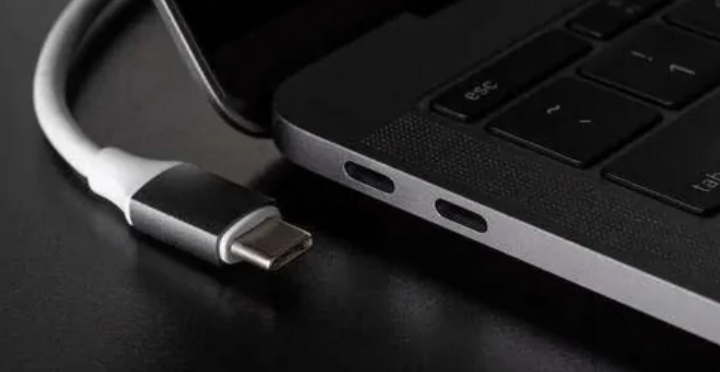
After more than 20 years of development, USB has improved from the initial 1.5Mbps of USB1.0 to the 40Gbps of USB4.0 today.

USB4.0 hardware wire sequence diagram
1, Female:
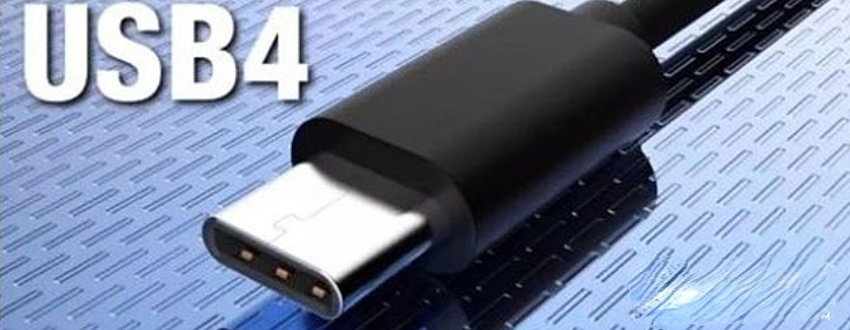
2, Male
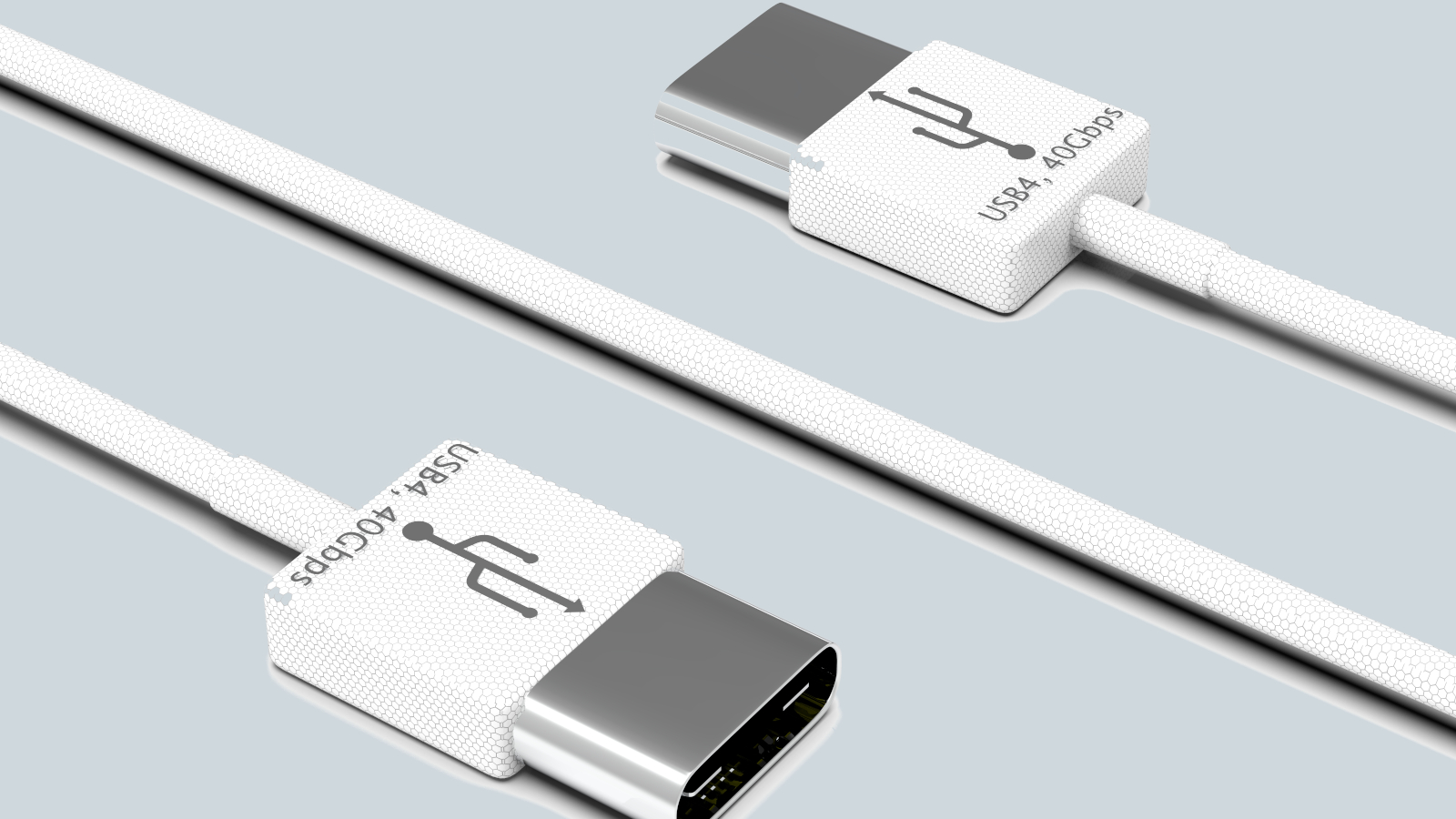
Future hardware device interfaces will use the current Type-C interface, which has rich interface resources to meet the needs of our various application scenarios.
Advantages of USB 4.0:
- Fast transfer speed
- Compact size
- Stronger power supply capability
- Better scalability and richer interfaces
Summary
In an era of rapid technological advancement, USB technology is ubiquitous in our lives, providing great convenience. Whether it's USB 3.0, which is still in use today, or USB 2.0, which is being gradually phased out, all versions have met the ever-changing needs of users. The data transmitted through USB, whether it's work-related data or video clips and photos from daily life, truly bear witness to the development of the times.
