

Learn Everything You Need To Know About Fused Power Cords – From Choosing The Right Type To Ensuring Electrical Safety
Apr 20, 2026
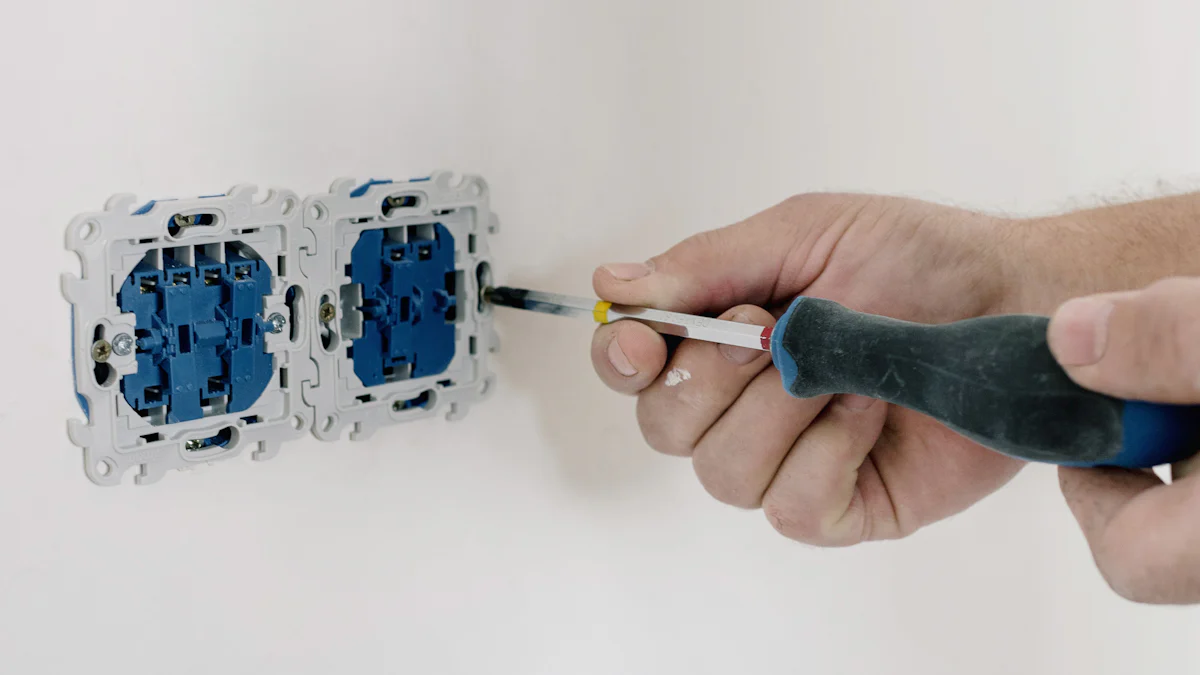
Fused power cords play a vital role in protecting your devices from electrical hazards. These cords come equipped with built-in fuses that interrupt the flow of electricity when a current overload occurs. This feature prevents damage to your electronics and reduces the risk of electrical fires. Their design often incorporates heat-resistant materials, which are essential for handling high-amperage applications safely. Whether you use them for industrial tools or everyday devices, fused power cords ensure reliable performance and enhanced safety, making them an indispensable choice for many users.
Key Takeaways
Fused power cords are essential for protecting devices from electrical hazards, preventing damage, and reducing fire risks.
Choose the right type of fused power cord based on your device’s power requirements: standard for everyday use, heavy-duty for industrial tools, and specialty for specific environments.
Always match the voltage and amperage ratings of the cord to your device to avoid overheating and ensure safe operation.
Regularly inspect and maintain your fused power cords to identify wear and tear, ensuring they remain safe and functional.
Avoid common mistakes such as using the wrong type of cord or neglecting maintenance, which can lead to safety hazards and device damage.
Look for cords with recognized safety certifications to ensure reliability and compliance with safety standards.
Prioritize proper installation and usage practices to maximize the safety and efficiency of your fused power cords.
Types of Fused Power Cords
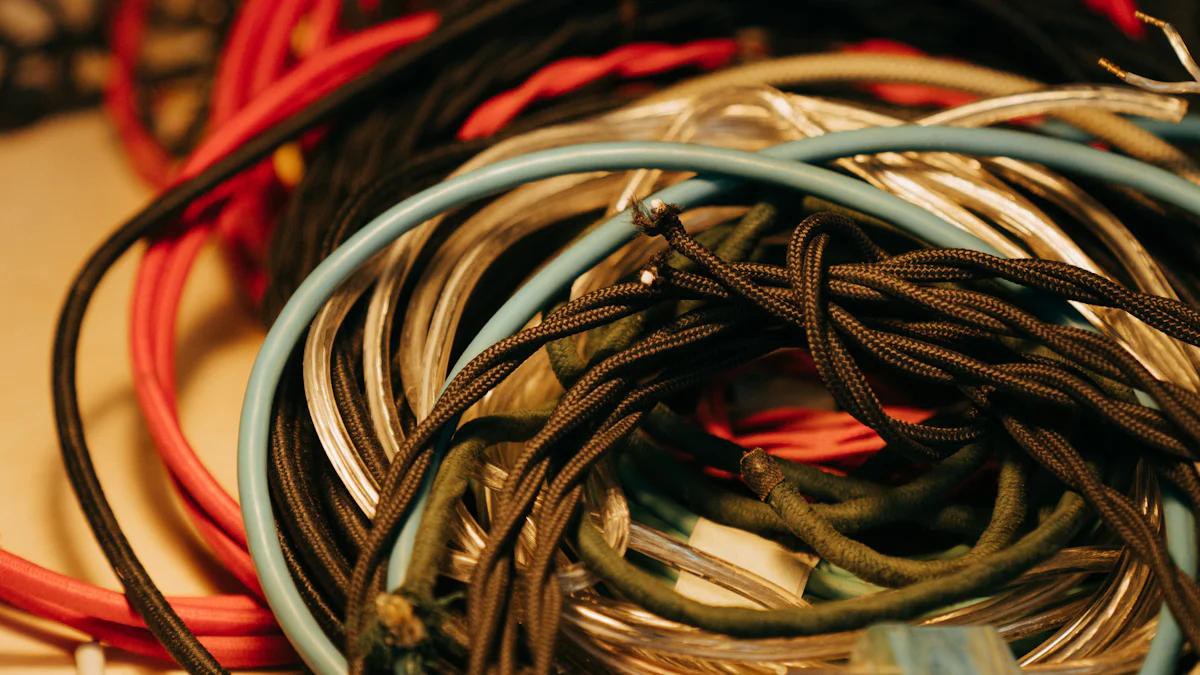
When selecting fused power cords, understanding the different types available can help you make the right choice for your needs.
Standard Fused Power Cords
Standard fused power cords are the most commonly used type. These cords are designed for everyday devices such as televisions, computers, and small appliances. They include a built-in fuse that protects your electronics from current overloads. The compact design makes them suitable for home and office use. However, their flexibility and portability may be slightly reduced due to the integration of the fuse. These cords are ideal for low to moderate power requirements, ensuring reliable performance in typical environments.
Heavy-Duty Fused Power Cords
Heavy-duty fused power cords are built to handle higher power demands. These cords can support 10 to 15 amps of power, making them perfect for industrial tools, heating appliances, and power tools.
Specialty Fused Power Cords
Specialty fused power cords are designed for specific applications or environments. For example, some cords are tailored for outdoor use, featuring weather-resistant materials to withstand harsh conditions. Others are region-specific, complying with local electrical standards to ensure safe usage. These cords often come with unique configurations, such as inline fuses, to enhance convenience and safety. If you have specialized needs, specialty fused power cords offer customized solutions to meet your requirements.
How to Choose the Right Fused Power Cord
Selecting the right fused power cord is crucial for ensuring the safety and efficiency of your devices.
Understanding Voltage, Amperage, and Device Compatibility
Every cord has specific electrical characteristics, such as its voltage and current ratings, which determine its compatibility with your equipment.
Additionally, consider whether your device requires grounding or polarization. Grounded cords, which include a third prong, provide extra protection by directing excess current safely into the ground. Polarized cords ensure proper alignment of the electrical flow, reducing the risk of short circuits. Always check your device’s specifications to ensure the cord you choose meets these requirements.
Evaluating Environmental Factors (Indoor vs. Outdoor Use)
The environment where you plan to use the fused power cord plays a significant role in your selection. Indoor cords are typically designed for controlled environments and may lack the durability needed for outdoor use. On the other hand, outdoor cords are built with weather-resistant materials to withstand exposure to moisture, heat, and other harsh conditions.
For outdoor applications, look for cords labeled as weatherproof or water-resistant. These cords often feature reinforced insulation to prevent damage from environmental factors. If you’re using the cord in a high-temperature setting, choose one made with heat-resistant materials to reduce the risk of overheating. Always match the cord’s design to the specific environment to ensure long-lasting performance and safety.
Checking Certifications and Safety Standards
Certifications and safety standards are critical indicators of a fused power cord’s reliability. Look for cords that meet recognized standards, such as UL (Underwriters Laboratories) or ETL (Electrical Testing Laboratories) certifications. These certifications confirm that the cord has undergone rigorous testing to ensure it meets safety and performance requirements.
In some regions, specific standards may apply. For instance, cords designed for use in the UK must comply with local electrical regulations. Always verify that the cord aligns with the safety requirements of your location. Additionally, cords with built-in fuses provide an extra layer of protection by interrupting the electrical flow during a current overload. This feature is particularly important for high-power applications, where the risk of overheating is greater.
By considering these factors, you can confidently choose a fused power cord that meets your needs while ensuring the safety of your devices and surroundings.
Ensuring Electrical Safety with Fused Power Cords
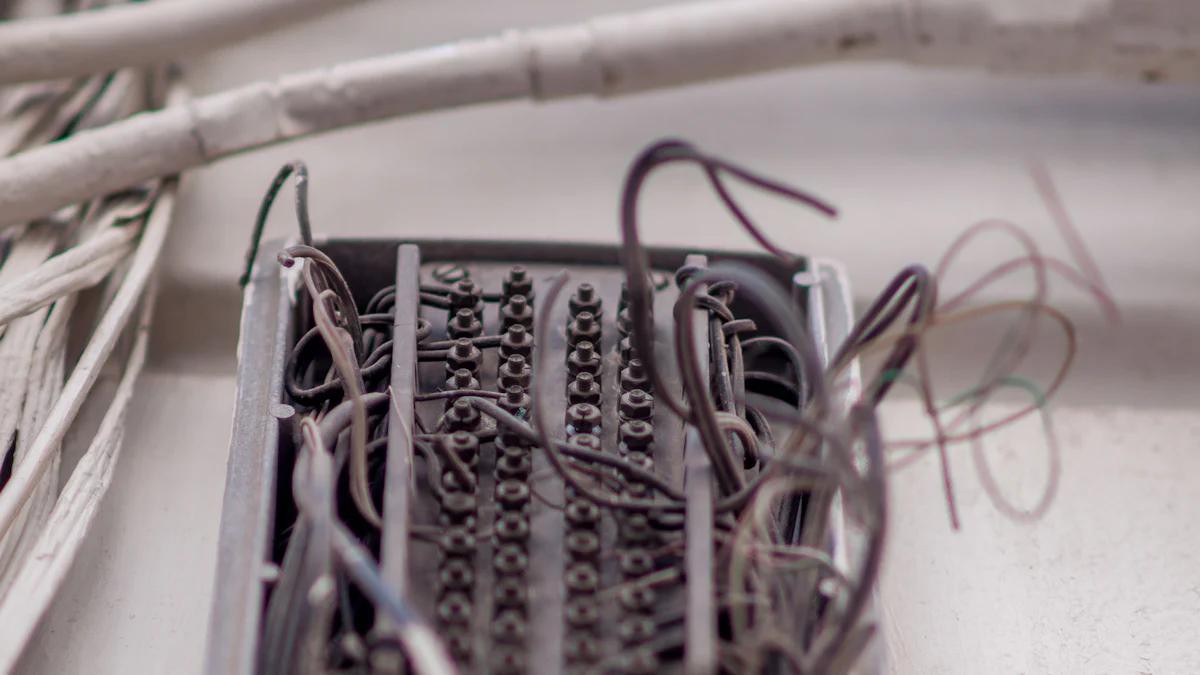
Electrical safety should always be a priority when using fused power cords. By following proper practices for installation, maintenance, and damage recognition, you can protect your devices and reduce the risk of electrical hazards.
Proper Installation and Usage
Installing and using fused power cords correctly is essential for ensuring safety. Begin by checking the cord’s specifications, such as voltage and amperage ratings, to confirm compatibility with your device. Plugging a cord into an incompatible device can lead to overheating or short circuits. Always connect the cord to a grounded outlet if it includes a grounding prong. This feature directs excess current safely into the ground, reducing the risk of electrical shocks.
When positioning the cord, avoid running it under rugs or furniture. These placements can cause overheating or physical damage. Keep the cord away from heat sources, sharp edges, or areas with heavy foot traffic. If you need to use an extension cord, ensure it matches the power requirements of your fused power cord. Overloading an extension cord can compromise the safety of your setup.
Expert Testimony: “Proper installation is the first step in preventing electrical hazards. Always verify the cord’s ratings and ensure secure connections to avoid potential risks.”
Regular Maintenance and Inspection
Routine maintenance and inspection of fused power cords help identify issues before they become serious problems. Start by visually examining the cord for signs of wear, such as frayed wires, cracks, or discoloration. These signs often indicate damage that could lead to electrical failures. Check the plug and fuse housing for any loose connections or visible defects.
Clean the cord periodically using a dry cloth to remove dust and debris. Dirt accumulation can affect the cord’s performance and increase the risk of overheating. Replace the fuse immediately if it blows, but ensure the replacement fuse matches the original specifications. Using an incorrect fuse can compromise the cord’s safety features.
Regular inspections are crucial for maintaining the integrity of fused power cords. Addressing minor issues early can prevent major electrical hazards.
Recognizing Warning Signs of Damage or Overheating
Recognizing early warning signs of damage or overheating can prevent accidents. If you notice a burning smell, excessive heat, or unusual noises coming from the cord, disconnect it immediately. These symptoms often indicate a malfunction or overload. Inspect the cord for visible damage, such as melted insulation or exposed wires.
Pay attention to how your devices operate when connected to the cord. Flickering lights, inconsistent power, or frequent tripping of circuit breakers may signal an issue with the cord. Avoid using a damaged cord, as it poses significant safety risks. Replace it with a new one that meets the required specifications.
Expert Testimony: “Understanding the warning signs of damage can save lives. Never ignore unusual smells, heat, or performance issues in your fused power cords.”
By following these guidelines, you can ensure the safe and efficient use of fused power cords. Proper installation, regular maintenance, and early detection of issues will help protect your devices and maintain a safe environment.
Common Mistakes to Avoid with Fused Power Cords
Avoiding common mistakes when using fused power cords can save you from unnecessary expenses, safety risks, and device damage. By understanding these pitfalls, you can ensure the longevity and safe operation of your cords.
Using the Wrong Type of Fused Power Cord
Choosing the wrong type of fused power cord can lead to inefficiencies and potential hazards. Each cord is designed for specific applications, and using an incompatible one may result in overheating or electrical faults. For example, a standard fused power cord cannot handle the demands of high-amperage tools. Similarly, outdoor applications require weather-resistant cords, while indoor cords lack the durability to withstand harsh conditions.
Using an incorrect fuse type within the cord also poses risks. A fuse with a lower rating may blow frequently, disrupting your devices and increasing electronic waste. On the other hand, a higher-rated fuse might fail to interrupt excessive current, exposing your equipment to damage. Always verify the cord’s specifications and ensure it matches your device’s requirements.
Tip: “Check the voltage, amperage, and environmental suitability of the cord before use. This simple step can prevent costly mistakes.”
Ignoring Maintenance and Inspections
Neglecting regular maintenance and inspections can compromise the safety and performance of your fused power cords. Over time, cords may develop wear and tear, such as frayed wires, loose connections, or damaged insulation. These issues often go unnoticed until they cause significant problems, like short circuits or electrical fires.
Routine inspections help you identify early warning signs of damage. Look for discoloration, cracks, or unusual odors. Clean the cord periodically to remove dust and debris, which can affect its efficiency. Replace blown fuses promptly, but ensure the replacement matches the original specifications. Incorrectly replacing a fuse can damage the cord or connected devices, leading to additional repair costs.
Reminder: “A quick visual check every few weeks can save you from major safety hazards and expensive repairs.”
Overloading Circuits and Exceeding Capacity Limits
Overloading circuits is one of the most dangerous mistakes you can make with fused power cords. Plugging too many devices into a single cord or exceeding its amperage rating can cause overheating, tripped breakers, or even electrical fires. For instance, connecting a high-power appliance to a cord designed for low-amperage use can strain the fuse and other components.
Modern fused power cords often include features like alarms that trigger when excessive heat or electrical faults occur. These features provide real-time monitoring, helping you address issues before they escalate. However, relying solely on these features without understanding the cord’s capacity limits can still lead to accidents.
To avoid overloading, calculate the total power requirements of your devices and ensure they fall within the cord’s capacity. Spread the load across multiple outlets if necessary, and never daisy-chain multiple cords together.
Expert Advice: “Always respect the power limits of your fused power cords. Overloading not only damages the cord but also endangers your safety.”
By steering clear of these common mistakes, you can maximize the safety and efficiency of your fused power cords. Proper selection, regular maintenance, and mindful usage will protect your devices and create a safer environment.
Fused power cords play a critical role in protecting your devices and ensuring electrical safety. By selecting the right type, you safeguard your equipment from potential hazards like overheating or current overloads. Regular inspections and proper maintenance further enhance their reliability, reducing risks and extending their lifespan. Avoiding common mistakes, such as using incompatible cords or neglecting upkeep, helps you maintain a safe and efficient setup. Prioritize safety and make informed choices to ensure your devices operate smoothly and securely.
FAQ
What type of fuse should I use with a fused power cord?
The type of fuse you need depends on the device and its power requirements. Always match the fuse rating to your device’s specifications. Using an incorrect fuse can lead to frequent blowouts or insufficient protection. However, in some cases, it is acceptable to use an unfused power cord because many devices already have built-in safety mechanisms. Check your device manual to determine if a fused cord is necessary.
Are fused power cords more expensive than standard cords?
Yes, fused power cords typically cost more than basic cords. The added safety features, such as built-in fuses, and the advanced materials used in their construction contribute to the higher price. Manufacturers also employ more sophisticated production techniques to ensure reliability and compliance with safety standards. While the upfront cost is higher, the enhanced protection they offer can save you from costly repairs or replacements in the long run.
What safety features do fused power cords provide?
Fused power cords include components that limit excessive current flow. This feature protects both the cord and connected devices from damage during electrical surges or short circuits. Many cords also incorporate heat-resistant materials and grounded plugs for added safety. These features reduce the risk of overheating, electrical fires, and shocks, making them a reliable choice for high-power applications.
How can I mitigate the drawbacks of using fused power cords?
You can address the challenges of fused power cords by adopting smart practices. Use advanced fuse technologies, such as solid-state protection devices, for better reliability. Educate yourself on proper fuse replacement to avoid compatibility issues. Recycling programs can help manage environmental concerns related to discarded fuses. Standardizing fuse types across your devices can also simplify maintenance and reduce logistical challenges.
Can I replace a blown fuse in a fused power cord myself?
Yes, you can replace a blown fuse, but you must use a fuse with the same rating as the original. Using an incorrect fuse can compromise the cord’s safety features and potentially damage your devices. Always disconnect the cord from the power source before replacing the fuse. If you’re unsure about the process, consult the cord’s manual or seek professional assistance.
Are fused power cords suitable for outdoor use?
Some fused power cords are specifically designed for outdoor use. These cords feature weather-resistant materials that protect against moisture, heat, and other environmental factors. Always check the product label for terms like “weatherproof” or “water-resistant” to ensure suitability for outdoor applications. Avoid using indoor cords outside, as they lack the durability needed for harsh conditions.
What happens if I overload a fused power cord?
Overloading a fused power cord can cause the fuse to blow, cutting off the electrical flow to prevent damage. In severe cases, overloading may lead to overheating or even electrical fires. To avoid this, calculate the total power requirements of your devices and ensure they fall within the cord’s capacity. Spread the load across multiple outlets if necessary, and never connect multiple cords together.
Do fused power cords work with all devices?
Fused power cords are compatible with most devices, but you must ensure the cord’s voltage and amperage ratings match your equipment’s requirements. Some devices, such as high-power tools or industrial equipment, may require heavy-duty cords with higher ratings. Always check your device’s specifications to confirm compatibility before purchasing a fused power cord.
How often should I inspect my fused power cord?
You should inspect your fused power cord regularly, ideally every few weeks. Look for signs of wear, such as frayed wires, cracks, or discoloration. Check the plug and fuse housing for loose connections or visible defects. Regular inspections help you identify potential issues early, reducing the risk of electrical hazards and extending the cord’s lifespan.
Are fused power cords environmentally friendly?
Fused power cords can pose environmental challenges due to the disposal of blown fuses. However, you can mitigate this by participating in recycling programs that handle electronic waste responsibly. Opting for cords with standardized fuse types can also reduce waste and simplify replacements. By adopting these practices, you can minimize the environmental impact of using fused power cords.
Analyze this article using Google’s helpful content standards on expertise, accuracy, transparency, comprehension, and reader value. Highlight areas that meet or fall short of guidelines. Give specific, constructive suggestions to enhance depth, citation quality, clarity, and usefulness for readers. Also, check whether the following keywords with high impressions are present in my article. If not, add them naturally within the content. Don’t overdo it.
