

Introduction to Fuse Types and Selection Guide
Jul 25, 2024
Introduction to Fuse Types
As a specialist in the field, I understand the critical role that fuses play in ensuring the safety, security, and effectiveness of electrical systems. Fuses are essential components in integrated power cords, acting as safety devices that interrupt the flow of electrical current when an overcurrent issue occurs. This function prevents potential damage to electrical equipment, reduces fire risks, and enhances overall system reliability.
Interpretation and Purpose of Fuses in Fused Power Cords
A fuse is a safety device containing a thin wire or strip that melts when exposed to excessive current, thereby breaking the circuit. In integrated power cords, fuses are designed to protect both devices and users by ensuring that any excessive current is quickly limited. This is particularly important for preventing overheating and possible fires.
Importance of Selecting the Appropriate Fuse Type
Choosing the correct type of fuse is essential for effectively protecting electrical circuits. The wrong fuse can either fail to protect the circuit or cause unnecessary interruptions adequately. Therefore, selecting the appropriate fuse is crucial for maintaining safety and performance. Key factors influencing this selection include the fuse’s current rating, voltage rating, time-delay characteristics, and the environmental conditions in which the fuse will operate.
Factors Influencing Fuse Selection
Several elements should be considered when selecting a fuse for a specific application:
| Factor | Summary |
|---|---|
| Current Rating | Ensures the fuse can handle the device’s normal operating current without unnecessary blowing. |
| Voltage Rating | Indicates the maximum voltage the fuse can safely interrupt. This rating should match or exceed the circuit voltage. |
| Time-Delay | Defines how quickly the fuse responds to overcurrent conditions. Time-delay fuses allow short-term surges without blowing while fast-acting fuses provide immediate protection. |
| Environmental Conditions | Considers factors like temperature, humidity, and vibration that may affect the fuse’s performance. |
In summary, understanding the various types of fuses and their specific characteristics is essential for ensuring the safe and efficient operation of electrical systems. By considering factors like current and voltage ratings, time-delay features, and environmental conditions, we can make informed choices that enhance the safety and reliability of our electrical installations.
Glass Tube Fuses
Building and Construction Materials
Glass tube fuses consist of a round glass body with metal end caps on both sides. The glass body provides a clear view of the internal fuse element, allowing for easy visual inspection. The fuse element, usually made of a thin wire or metal strip, is designed to melt and break the circuit when excessive current flows through it. The metal end caps ensure a secure connection within the fuse holder and maintain electrical conductivity.
Benefits
One of the key advantages of glass tube fuses is the visual indication of a blown fuse. The transparent glass body allows users to quickly determine if the fuse element has melted, simplifying troubleshooting and replacement. Additionally, glass tube fuses are generally tamper-resistant, providing reliable protection in a range of applications.
Limitations
Despite their advantages, glass tube fuses have several limitations. They are relatively fragile due to their glass construction, making them susceptible to damage if handled roughly. Furthermore, glass tube fuses can be affected by moisture and vibration, which may impact their performance and lifespan.
Applications and Ratings
Glass tube fuses are widely used in various electronic and electrical applications, including consumer electronics, home appliances, and automotive circuits. They come in different current and voltage ratings, allowing them to be matched to specific device requirements. Selecting a fuse with the correct rating is crucial to ensure adequate protection and performance.
Replacement Procedures and Safety Considerations
Replacing a glass tube fuse involves several important steps to ensure safety and functionality. First, the circuit’s power should be turned off, and the fuse holder should be carefully opened. The blown fuse can then be replaced with a new one of the same rating. It’s essential to handle the new fuse carefully to avoid damaging the glass body or fuse element. Ensuring that the fuse holder is securely closed and the circuit is properly reconnected before restoring power is critical for safe operation. Additionally, always adhere to safety standards and use certified fuses to prevent potential hazards.
Ceramic Fuses
Construction and Materials
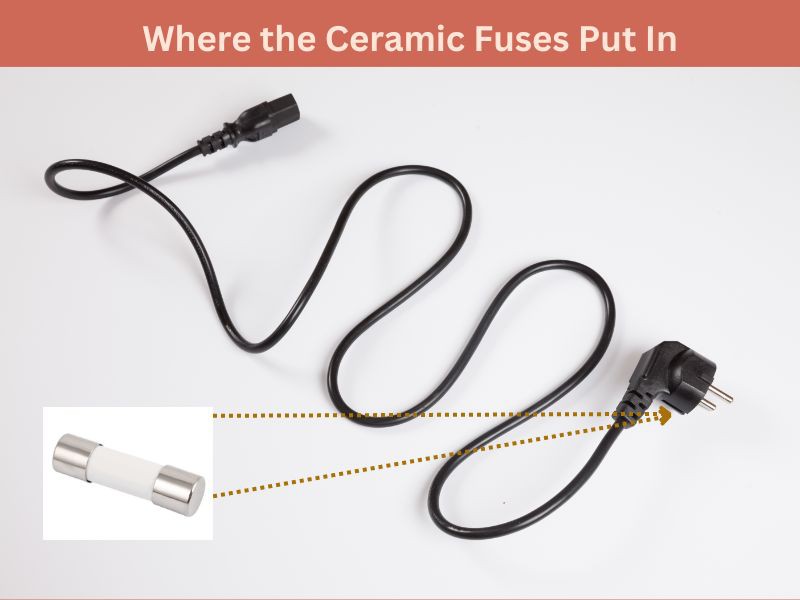
Ceramic fuses are made with a ceramic body that provides superior strength and durability compared to glass tube fuses. The construction includes metal end caps connected to a fuse element inside the ceramic body. This fuse element is typically made of a metal wire or strip that melts when an overcurrent condition occurs, breaking the circuit. The use of a ceramic body increases the fuse’s ability to withstand higher temperatures and harsh environmental conditions.
Limitations
One primary limitation of ceramic fuses is the lack of a visual indication of a blown fuse. Unlike glass tube fuses, which allow for easy visual inspection, ceramic fuses do not show visible signs when the fuse element has melted. This can complicate troubleshooting and maintenance, as testing equipment is required to determine the fuse's status. Additionally, while ceramic fuses are durable, they may still be affected by extremely high temperatures and require careful handling during installation and replacement.
Applications and Ratings
Ceramic fuses are widely used in applications that require high breaking capacity and durability. They are commonly found in automotive, industrial, and consumer electronics where protection against high fault currents is essential. These fuses are rated for various current and voltage specifications, typically from 0.5A to 20A and up to 600V. The specific ratings depend on the application requirements and the level of protection needed.
Replacement Procedures and Safety Considerations
Replacing a ceramic fuse requires careful attention to safety and proper handling procedures. The first step is to ensure that power to the circuit is completely turned off to avoid any electrical hazards. Using appropriate tools, the fuse should be carefully removed from its holder or fuse block. It is essential to replace the blown fuse with a new one of the same rating and specifications to maintain circuit protection. Additionally, proper disposal of the blown fuse should be considered to prevent environmental impact.
Resettable Fuses (PTC)
Explanation of Positive Temperature Coefficient (PTC) Technology
Resettable fuses, also known as PTC (Positive Temperature Coefficient) fuses, use a unique technology that allows them to reset after tripping. These fuses are made from materials that display a positive temperature coefficient, meaning their resistance increases with temperature. When an overcurrent occurs, the temperature rises, causing the resistance to increase significantly, effectively limiting the current flow. Once the fault is cleared and the temperature drops, the resistance returns to its normal state, allowing the current to flow again without the need to replace the fuse.
Construction and Materials
Resettable fuses are generally constructed with a polymer or ceramic body containing a conductive polymer element. This component is responsible for the PTC characteristics. The conductive polymer expands as it heats up, reducing the conductive paths and increasing resistance. This construction enables the fuse to act quickly and effectively in protecting circuits from overcurrent conditions.
Advantages
One of the primary advantages of resettable fuses is their ability to reset after tripping, which eliminates the need for replacements. This feature is particularly valuable in applications where maintenance access is limited or where replacing a fuse would be inconvenient. Additionally, resettable fuses are typically compact, making them suitable for space-constrained designs. Their self-resetting capability also enhances the durability and reliability of the devices they protect.
Limitations
Despite their advantages, resettable fuses have some limitations. They typically have limited current and voltage ratings, making them unsuitable for high-power applications. Additionally, there is a potential risk of thermal runaway, where the fuse may not reset properly if it remains in a high-temperature environment for an extended period. Designers need to consider these factors when selecting resettable fuses for their applications.
Applications and Ratings
Resettable fuses are commonly used in low-current applications such as consumer electronics, computer peripherals, and telecommunications equipment. Their ratings vary based on specific design and application requirements, typically ranging from a few milliamperes to several amperes and from low to moderate voltage levels. When selecting a resettable fuse, it's essential to match the fuse ratings to the precise requirements of the device to ensure optimal protection and performance.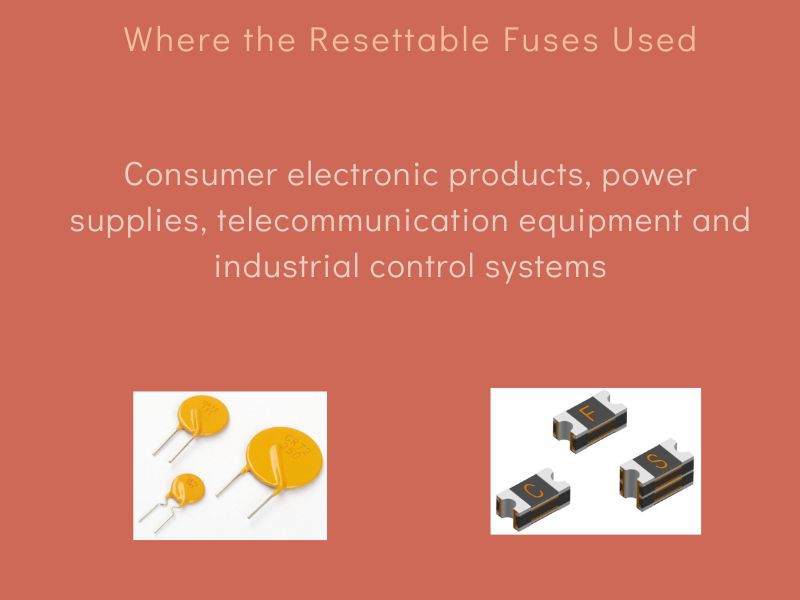
Time-Delay Fuses
Principle of Operation
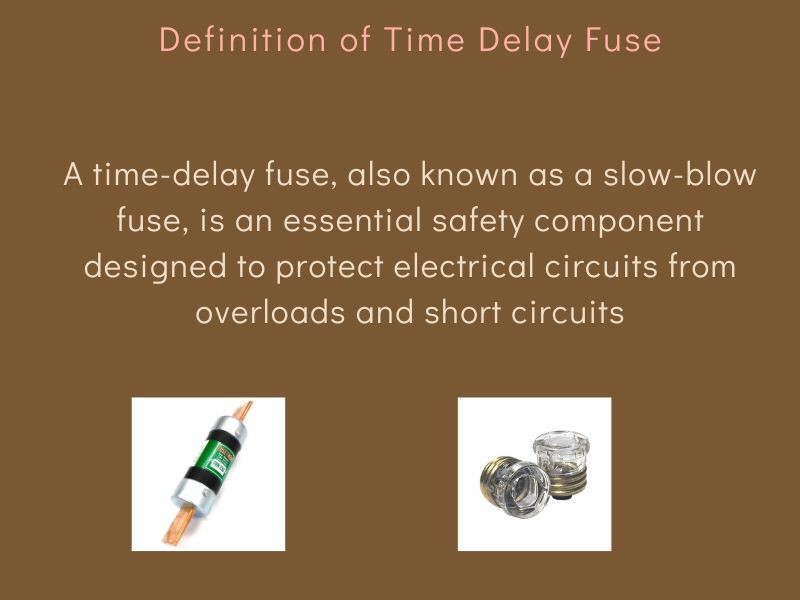
Time-delay fuses are designed to delay response to overcurrent conditions, allowing temporary overloads to pass without interrupting the circuit. This feature is essential in applications where inrush currents-such as those occurring at the startup of electric motors or other inductive loads-would otherwise cause nuisance tripping with conventional fuses. The fuse has a specific element that heats and melts over a particular period, providing the required delay before breaking the circuit.
Construction and Materials
The construction of time-delay fuses typically involves a glass or ceramic body, which houses a specialized fuse element. The body material provides durability and insulation, while the fuse element, usually made of a metal alloy, is engineered to respond to overcurrent conditions with a controlled delay. This component may also include additional elements to enhance the time-delay function.
Advantages
Time-delay fuses offer several important benefits:
- Quick protection against short circuits and sustained overloads
- Ability to handle short-term overloads without tripping
- A wide range of ratings to suit various applications
Limitations
Despite their advantages, time-delay fuses have some limitations:
- Potential for nuisance tripping during inrush currents if not properly rated
- Limited protection for circuits with high-speed overcurrent conditions
Applications and Ratings
Time-delay fuses are used in various applications where temporary inrush currents are common, including:
- Electric motors
- Transformers
- Lighting circuits
- Industrial equipment
| Application | Common Rating |
|---|---|
| Motors | Up to 600V, 0.5 A to 600A |
| Transformers | Up to 600V, 1A to 800A |
| Lighting circuits | Up to 250V, 0.5 A to 20A |
| Industrial equipment | Varies based on equipment |
Replacement Procedures and Safety Considerations
Replacing a time-delay fuse involves several steps to ensure safety and proper operation:
- Identify the correct replacement fuse by matching the current and voltage ratings and the time-delay characteristics.
- Ensure the power to the circuit is completely shut off before attempting replacement.
- Carefully remove the blown fuse, using appropriate tools if necessary to avoid damage to the fuse holder.
- Install the new fuse, ensuring a secure fit and proper contact within the fuse holder.
- Restore power and confirm that the circuit operates correctly without nuisance tripping.
When handling time-delay fuses, always consider these safety recommendations:
- Use only fuses that meet the required standards and certifications.
- Avoid makeshift solutions or bypassing the fuse, as this can cause severe damage or safety hazards.
- Regularly inspect fuses and fuse holders for signs of wear or damage.
Fast-Acting Fuses
Concept of Operation
Fast-acting fuses are designed to provide rapid response to overcurrent conditions. They quickly melt their fuse element when the current exceeds the specified rating, breaking the circuit. This swift action helps protect sensitive electronic components from damage caused by short circuits and overloads.
Construction and Materials
These fuses typically have a glass or ceramic body with metal end caps for electrical connection. Inside, a specialized fuse element, often made from a metal alloy, is designed to melt quickly when exposed to excessive current. The choice of materials ensures the fuse's reliability and effectiveness in protecting circuits.
Benefits
The primary benefit of fast-acting fuses is their ability to provide quick protection against short circuits and overloads. This fast response is crucial for safeguarding sensitive components in electronic devices. Additionally, their simple design and construction make them easy to manufacture and replace.
Limitations
One limitation of fast-acting fuses is the potential for nuisance tripping during inrush currents, which are temporary increases in current when a device is first powered on. This can lead to unnecessary disruptions in the device’s operation, although this issue can typically be mitigated with proper fuse selection and circuit design.
Applications and Ratings
Fast-acting fuses are commonly used in applications where immediate protection is essential, such as in electronic devices, power supplies, and control systems. They come in a variety of ratings to suit different current and voltage requirements, ensuring they can be matched appropriately to the specific demands of the device they are protecting.
Replacement Procedures and Safety Considerations
When replacing a fast-acting fuse, it is essential to ensure that the new fuse matches the original specified ratings to maintain proper protection. Always follow safety procedures, such as disconnecting power before replacing the fuse and using the correct tools to avoid damage or injury. Proper handling and installation are critical for ensuring the circuit’s functionality, safety, and security.
Fuse Selection Criteria
Matching Fuse Ratings to Device Specifications and Load Requirements
Choosing the appropriate fuse for a device begins with matching its current rating and voltage rating to the device’s requirements. The fuse should be able to handle the maximum operating current without nuisance tripping while also providing sufficient protection against potential overcurrent conditions. The voltage rating should be equal to or greater than the maximum voltage in the circuit to prevent electrical arcing.
Considering Environmental Factors
Environmental conditions play a critical role in fuse selection. Factors such as temperature, humidity, and vibration can affect a fuse’s performance and durability. For example, high temperatures can reduce a fuse’s current-carrying capacity, requiring a derating factor to ensure reliable operation. Similarly, fuses in high-vibration environments should be chosen for their resilience and resistance to mechanical stress.
Compliance with Safety Standards and Regulations
When selecting fuses, it is essential to ensure compliance with relevant safety standards and regulations. Certified fuses undergo rigorous testing to meet industry standards, such as UL, IEC, and CSA, ensuring they provide reliable protection and safe operation. Using certified fuses minimizes risks associated with electrical faults and enhances overall safety.
Cost and Availability Considerations
While performance and safety are paramount, the cost and availability of fuses cannot be overlooked. It is essential to choose fuses that are not only cost-effective but also readily available to minimize downtime during replacements. Balancing cost with performance requirements ensures both financial and operational efficiency.
| Criteria | Details |
|---|---|
| Current Rating | Should match or exceed the device’s maximum operating current |
| Voltage Rating | Should be equal to or greater than the circuit’s maximum voltage |
| Temperature | Consider derating factors for high-temperature environments |
| Humidity | Select fuses with moisture-resistant properties |
| Vibration | Choose durable fuses suitable for high-vibration conditions |
| Safety Standards | Ensure compliance with UL, IEC, CSA, and other relevant standards |
| Cost | Balance between performance needs and budget constraints |
| Availability | Choose fuses that are easily available for quick replacement |
Fuse Testing and Certification
Overview of Fuse Testing Standards and Procedures
Testing and certifying fuses is critical to ensuring their reliability and safety in various applications. Standards such as UL 248-1, IEC 60127, and ISO 8820 provide comprehensive guidelines for evaluating fuse performance. These standards typically cover breaking capacity, temperature rise, time-current characteristics, and overload endurance.
The testing procedures generally involve subjecting the fuse to controlled overcurrent conditions to verify its response time and ensure that it can safely interrupt the circuit without causing damage or hazards. These tests help determine the specific current rating, voltage rating, and other operational characteristics vital for the fuse’s intended application.
Importance of Using Certified and Approved Fuses
Using certified and approved fuses is crucial for maintaining safety and meeting regulatory requirements. Certified fuses are rigorously tested to ensure they meet specific standards for performance and reliability. This certification process helps prevent potential hazards such as fire, electric shock, and device damage.
In addition, certified fuses guarantee consistency in protection characteristics, ensuring that they will perform as expected under specified conditions. This reliability is essential for consumer safety and the protection of sensitive electronic devices.
Identifying Counterfeit or Substandard Fuses
Counterfeit or substandard fuses pose significant risks due to their unpredictable performance and lack of compliance with safety standards. Recognizing these fuses can be challenging, but several indicators can help identify them:
| Indicator | Summary |
|---|---|
| Inconsistent Labeling | Counterfeit fuses often have labels that do not match the manufacturer’s specifications or contain spelling errors. |
| Missing Certifications | Genuine fuses display certification marks from recognized testing labs such as UL, CSA, or VDE. |
| Poor Construction Quality | Substandard fuses may show poor craftsmanship, such as uneven surfaces, mismatched components, or inferior materials. |
| Unusual Pricing | Significantly lower prices may indicate counterfeit products, as genuine fuses typically have standard pricing. |
To avoid the risks associated with counterfeit or substandard fuses, always purchase fuses from trusted suppliers and verify the presence of appropriate certification marks. Ensuring fuse authenticity is a critical step in safeguarding both personal safety and the longevity of electrical systems.
Frequently Asked Questions (FAQs) on Fuse Types
What Is the Purpose of Fuses in Electrical Systems?
Fuses serve as protective devices that interrupt the flow of electrical current when an overcurrent condition occurs. This action prevents potential damage to electrical equipment, minimizes fire hazards, and enhances system reliability.
How Do Fuses Work in Fused Power Cords?
A fuse in a power cord contains a thin wire or strip that melts when exposed to excessive current, breaking the circuit and protecting the equipment and user from overcurrent conditions.
Why Is Selecting the Appropriate Fuse Type Necessary?
Choosing the correct fuse type ensures adequate protection of electrical circuits. An incorrect fuse may fail to protect the circuit effectively or cause unnecessary interruptions, compromising safety and functionality.
What Factors Should Be Considered When Selecting a Fuse?
When selecting a fuse, consider the current rating, voltage rating, time-delay characteristics, and environmental conditions. These factors ensure the fuse can safely handle normal operating currents, interrupt excessive currents, and perform reliably under specific conditions.
What Are Glass Tube Fuses, and What Are Their Advantages and Limitations?
Glass tube fuses have a cylindrical glass body with metal end caps, providing a clear view of the internal fuse element. They visually indicate a blown fuse, simplifying troubleshooting and replacement. However, they are fragile and susceptible to moisture and vibration.
Where Are Glass Tube Fuses Typically Used?
Glass tube fuses are widely used in consumer electronics, appliances, and automotive circuits. They come in different current and voltage ratings to match specific device requirements.
What Are Ceramic Fuses, and What Are Their Main Features?
Ceramic fuses have a ceramic body with metal end caps, offering superior strength and durability. They are used in high-breaking capacity applications, like automotive and industrial electronics, but lack visual indication of a blown fuse.
How Do Resettable Fuses (PTC) Work?
Resettable fuses use Positive Temperature Coefficient (PTC) technology, where the resistance increases with temperature, limiting current flow during overcurrent conditions. Once the fault is cleared and the temperature drops, the fuse resets, allowing current to flow again without replacement.
What Are the Benefits and Limitations of Resettable Fuses?
Resettable fuses can reset after tripping, eliminating the need for replacement, and are compact, making them suitable for space-constrained designs. However, they have limited current and voltage ratings and may risk thermal runaway in high-temperature environments.
What Are Time-Delay Fuses, and Where Are They Used?
Time-delay fuses provide a delayed response to overcurrent conditions, allowing temporary overloads to pass without tripping. They are used in applications like electric motors, transformers, and industrial machinery where inrush currents are expected.
What Are Fast-Acting Fuses, and What Are Their Applications?
Fast-acting fuses respond rapidly to overcurrent conditions, protecting sensitive electronic components from short circuits and overloads. They are commonly used in electronic devices, power supplies, and control systems.
How Should You Replace a Blown Fuse?
To replace a blown fuse, turn off the circuit’s power, carefully remove the blown fuse, and install a new fuse with the same rating. Ensure the fuse holder is securely closed and the circuit is properly reconnected before restoring power.
What Are the Critical Criteria for Selecting the Correct Fuse for a Device?
Match the fuse’s current and voltage ratings to the device specifications, consider environmental factors like temperature and vibration, ensure compliance with safety standards, and balance cost and availability for economic and operational efficiency.
Why Is It Essential to Use Certified and Approved Fuses?
Certified fuses are rigorously tested to meet performance and safety standards. They reduce the risk of hazards like fire and equipment damage and ensure reliable protection and consistency in performance.
How Can You Recognize Counterfeit or Substandard Fuses?
Counterfeit fuses often have inconsistent labeling, lack certifications, show poor construction quality, and are unusually low-priced. Always purchase fuses from reputable suppliers and verify certification marks to ensure authenticity and safety.
